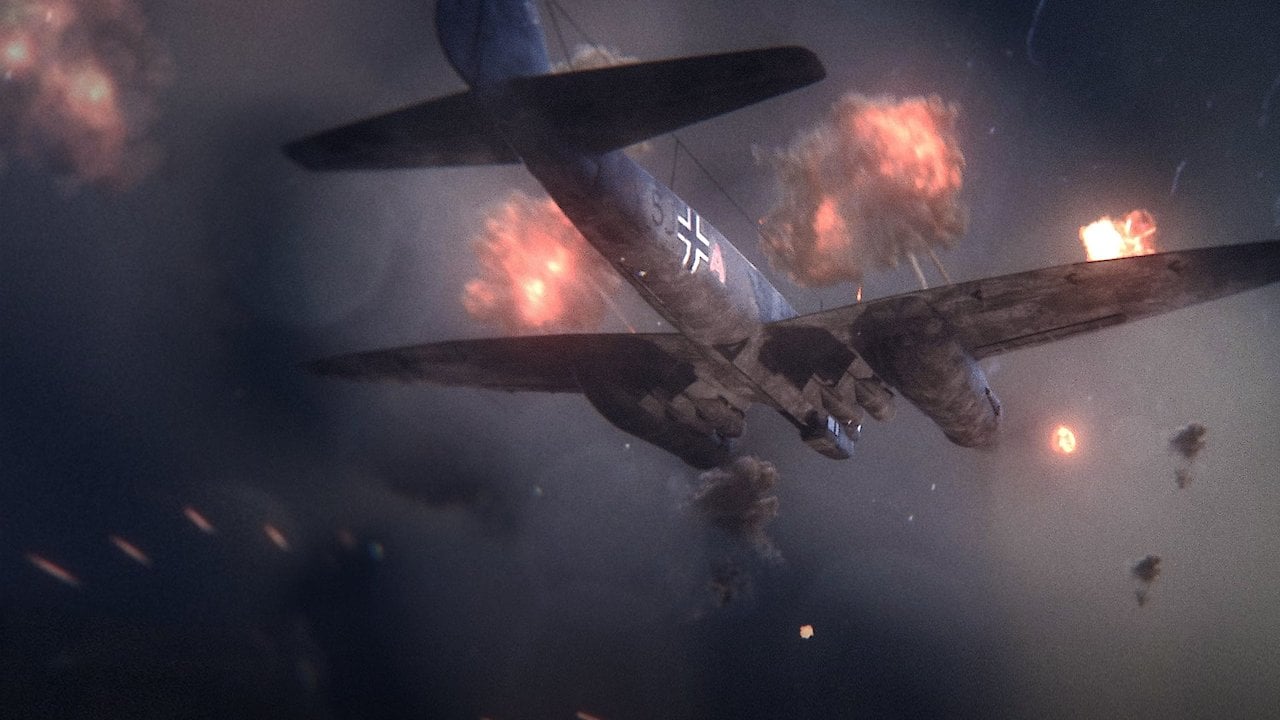
Nazi Mega Weapons Season 7 Episode 4 Japan's Death Railway
- April 30, 2020
-
7.0 (15)
In season 7, episode 4 of Nazi Mega Weapons, titled "Japan's Death Railway," viewers are taken on a journey through history to explore one of the most infamous engineering feats of World War II. The episode delves into the story of the Thailand-Burma Railway, also known as the Death Railway, which was built by the Japanese Army in order to allow troops and supplies to easily move across Southeast Asia during the war.
The episode begins by providing an overview of the strategic importance of the Death Railway, which connected Bangkok, Thailand, with Rangoon, Burma. The construction of the railway was a monumental task, requiring the labor of over 60,000 Allied prisoners of war, as well as tens of thousands of forced Asian laborers. The conditions were brutal, with workers enduring long hours, malnutrition, and rampant disease. Hundreds of thousands died during the construction of the railway, with estimates ranging from 60,000 to 100,000 Allied prisoners.
Viewers are then introduced to some of the major players involved in the construction of the railway. Lieutenant Colonel Philip Toosey, the senior British officer responsible for the prisoners of war working on the railway, is highlighted as a key figure who worked to maintain a sense of order and discipline among the prisoners in spite of the harsh conditions. Meanwhile, Lieutenant Colonel Takeshi Nagase, a Japanese engineer who helped oversee the construction of the railway, is shown to have a conflicting role as both a sadistic prison camp commander and a devout Buddhist.
Throughout the episode, viewers are presented with detailed explanations of the engineering methods used to build the railway. The Japanese workers employed a range of techniques, including dynamite blasting, hand-drilling, and the deployment of elephant teams for hauling supplies. The episode also explores the various obstacles encountered during the construction process, such as steep mountain ranges, dense jungle, and bedrock that was difficult to penetrate.
As the railway nears completion, the episode focuses on the Allied efforts to sabotage the project. British intelligence forces dropped leaflets warning the Asian laborers of the dangers of working on the railway, and the Allies conducted air raids to disrupt the Japanese railway construction. Sabotage efforts were also made by the Allied prisoners themselves, with the most famous example being the construction of the "Bridge on the River Kwai," which was destroyed by Allied bombs shortly after its completion.
Finally, "Japan's Death Railway" concludes with an examination of the legacy of the railway. Despite the death and suffering it caused during its construction, the Death Railway remains an important part of the history of World War II and of Japanese and British relations. The episode also touches on the continued relevance of the story, as the railway remains a site of pilgrimage and commemoration for those hoping to remember the sacrifices made by those who worked and died building it.
Overall, "Japan's Death Railway" is a gripping and informative episode that sheds light on a difficult and tragic aspect of World War II history. Through its detailed exploration of the engineering feats and human stories involved in the construction of the Thailand-Burma Railway, viewers are provided with a nuanced and thought-provoking look at one of the most brutal and tragic legacies of the war.
