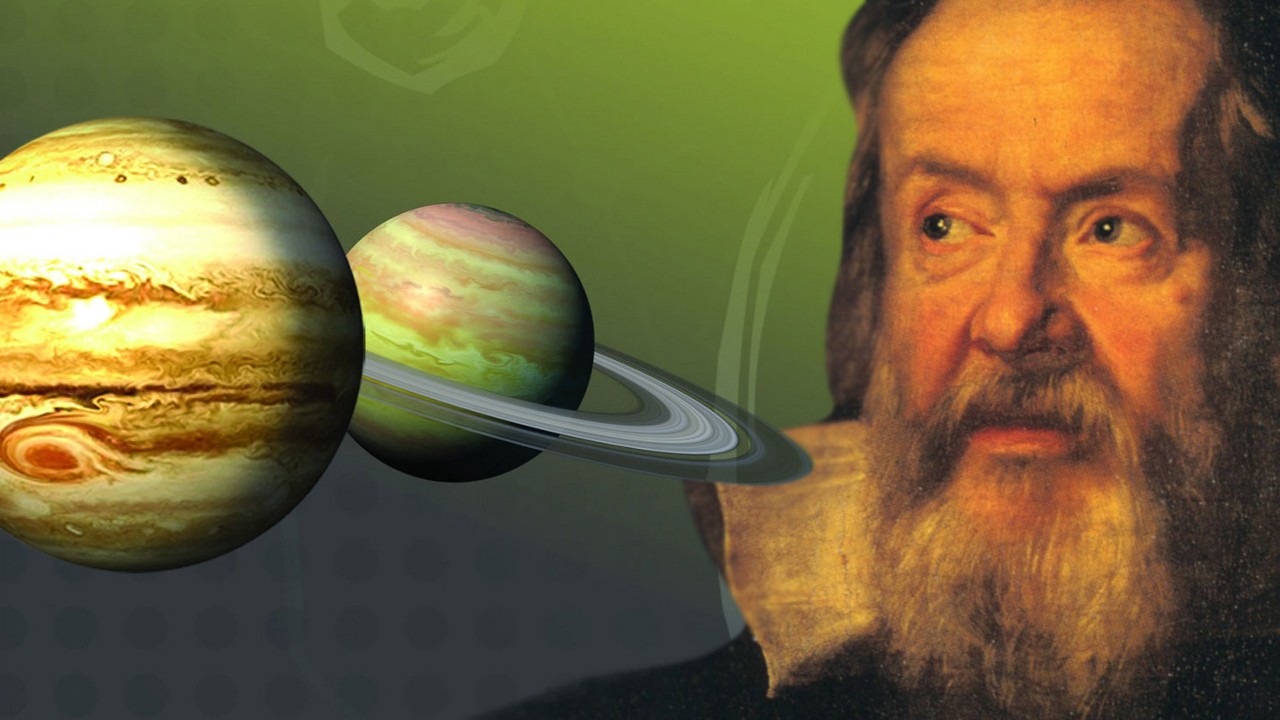
Physics and Our Universe: How It All Works Season 1 Episode 20 Fluid Dynamics
- TV-PG
- September 30, 2011
- 30 min
In this episode of Physics and Our Universe: How It All Works, we delve into the fascinating world of fluid dynamics. Fluids can be found all around us, from the water in our oceans to the air we breathe. In order to understand the dynamics of fluids, scientists must study the way in which they flow and move. This episode explores the physics behind fluid dynamics and how it all works.
The episode begins with a basic introduction to the properties of fluids. Fluids can be classified as either liquids or gases, and they behave differently according to their physical characteristics. For example, liquids are much denser than gases, and they tend to flow more slowly. Gases, on the other hand, are less dense and flow much more quickly. Despite these differences, however, both liquids and gases can be described by the same basic physics principles.
One of the key concepts of fluid dynamics is viscosity. This refers to the internal friction of a fluid, or the resistance that it offers when it is being deformed. Liquids have a high viscosity, which is why they tend to flow more slowly and become more turbulent when moved. Gases, on the other hand, have a low viscosity, which means they can flow more quickly and be more easily compressed.
The episode then moves on to discuss the concept of laminar and turbulent flow. When fluids move smoothly and predictably, this is known as laminar flow. However, when the flow becomes chaotic and unpredictable, it is referred to as turbulent flow. Turbulent flow is often seen in natural phenomena such as waterfalls, rivers, and even the swirling patterns in clouds.
The episode then explores the Bernoulli principle, which describes the relationship between the pressure and velocity of a moving fluid. According to this principle, when the velocity of a fluid increases, the pressure decreases. This principle explains why airplanes can stay in the air, as the air moving over the wing creates a lower pressure zone that lifts the plane off the ground.
The final section of the episode focuses on real-world applications of fluid dynamics. This includes everything from designing water pumps and air conditioning systems, to predicting the movements of ocean currents and weather patterns. The study of fluid dynamics has allowed scientists to understand the mechanics of everything from simple water flows to complex weather patterns and ocean currents, and it continues to be a vital area of study in physics today.
Overall, this episode of Physics and Our Universe: How It All Works provides a fascinating insight into the world of fluid dynamics and the important role it plays in our understanding of the natural world. Whether you are a physics enthusiast or simply curious about the world around you, you will find this episode informative and engaging.
