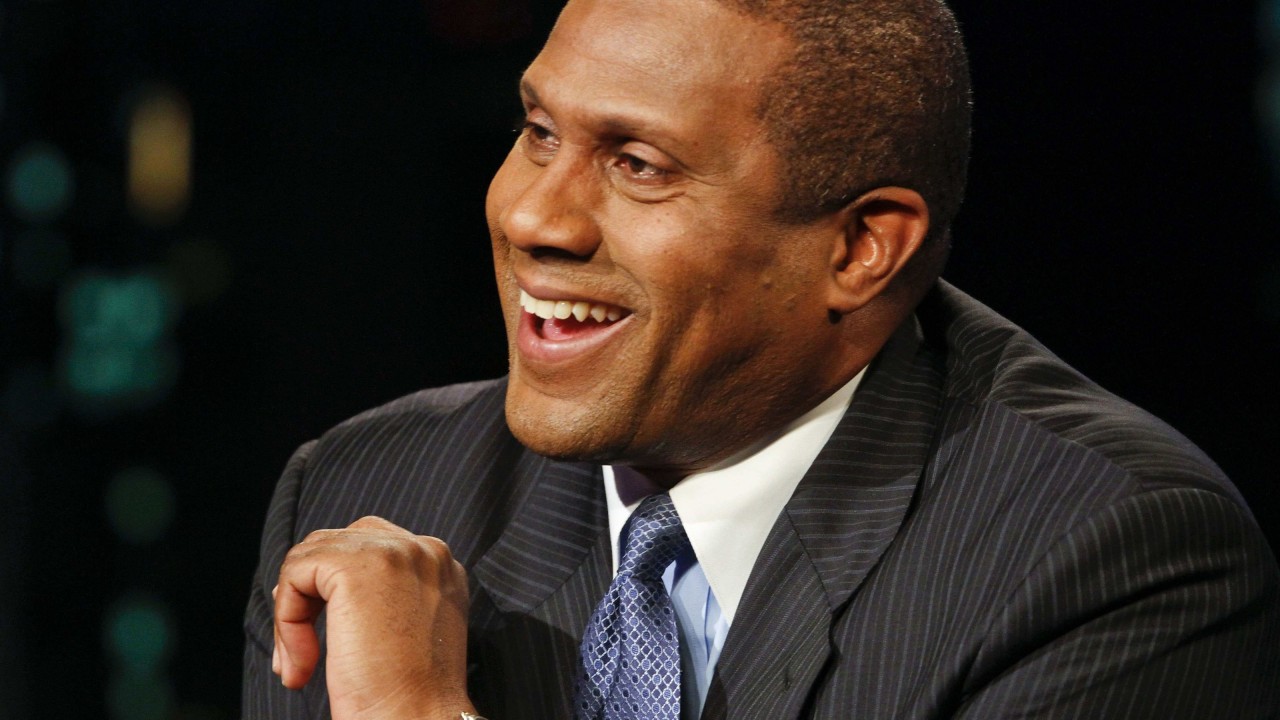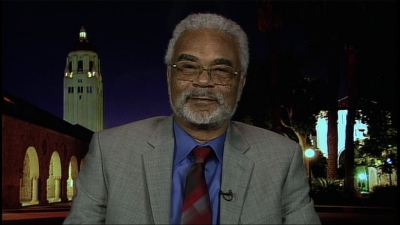
Tavis Smiley Season 7 Episode 677 Dr. Clayborne Carson
- January 21, 2013
Dr. Clayborne Carson, a noted scholar and historian, joins Tavis Smiley on the show for a fascinating conversation spanning his illustrious career and the current struggles faced by society.
The episode begins with a brief introduction of Carson's background, followed by his personal views on the significance of studying history. Carson emphasizes how history is the key to understanding the present and that it's essential to learn from history.
Moving on, Smiley asks Carson about his role in publishing the Papers of Martin Luther King, Jr. Carson explains his experience of working on King's papers since 1985 and how it was an ongoing project. He shares how the papers illustrate King's life and message, and it's imperative to understand King's message in the current times of political turmoil and social conflict.
Smiley then moves on to ask Carson about the changing political climate and how it impacts civil rights. Carson shares his thoughts on how the fight for civil rights is far from over, and it's important to continue to pursue racial and social justice. He emphasizes the need for individuals to actively work towards creating change in their communities.
The conversation takes a different turn as Smiley asks Carson about his thoughts on the current challenges faced by educational institutions. Carson discusses how educational institutions are struggling with issues of diversity, equity, and inclusion. He shares how those issues are critically important for education and developing a better society.
The episode concludes with a discussion about the state of democracy in the United States. Carson points out how the country is poised at a critical moment, with significant challenges to democracy and human rights. He calls for a collective effort to strengthen democratic institutions and overcome the social divide that perpetuates injustice and inequality.
Overall, the episode is engaging and thought-provoking, as Carson shares his wisdom and insights on history, social justice, and democracy. The conversation highlights the importance of learning from history and the need for individuals to take active responsibility for creating positive change in society.