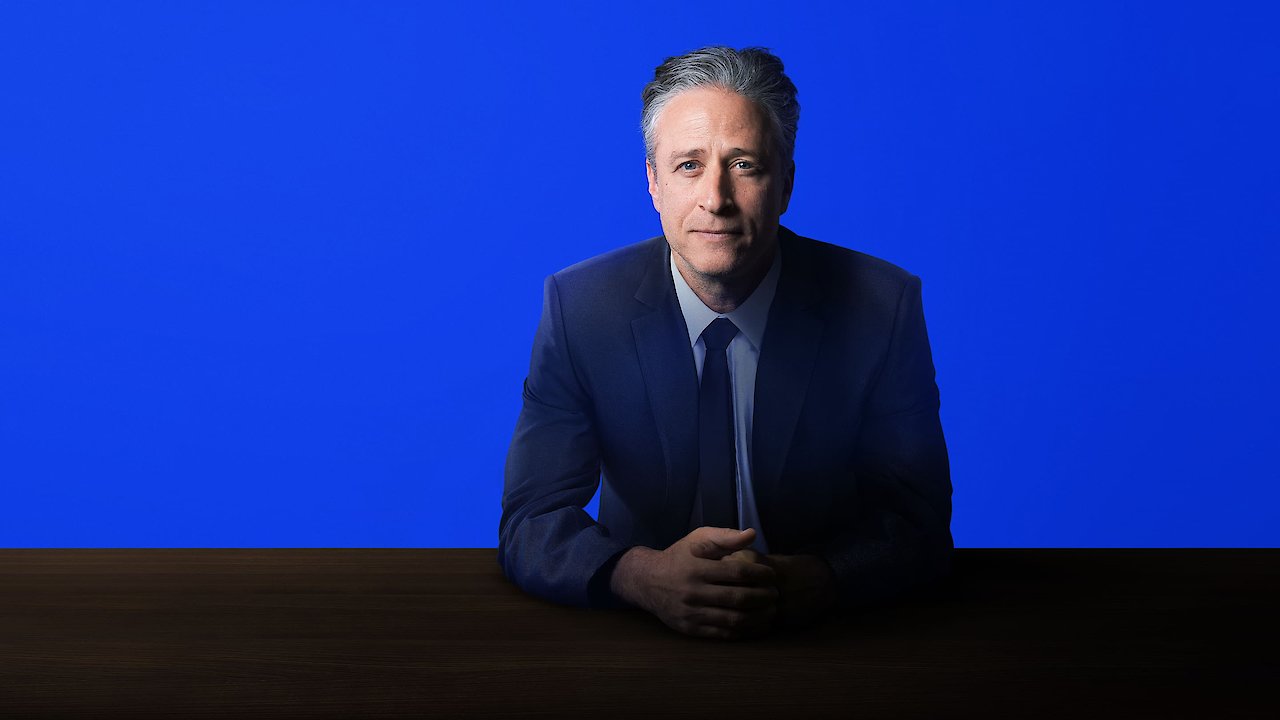
The Daily Show with Jon Stewart Season 13 Episode 64 Douglas Feith
- May 12, 2008
-
4.9 (23)
The Daily Show with Jon Stewart season 13 episode 64 features an interview with Douglas Feith, former Under Secretary of Defense for Policy under President George W. Bush.
As usual, Jon Stewart opens the show with a humorous monologue about current events, including the 2008 Presidential election and the ongoing war in Iraq. He then introduces Feith as his guest, and immediately gets to the heart of the matter by asking him about the flawed intelligence that led to the invasion of Iraq. Feith defends his role in the decision-making process, insisting that the intelligence he and his colleagues had at the time supported their belief in the existence of weapons of mass destruction in Iraq.
Stewart pushes back, pointing out the many errors and contradictions in the intelligence that was presented to the public and to Congress. Feith admits that mistakes were made, but maintains that the Bush administration acted in good faith based on the information it had at the time. The conversation becomes increasingly tense as Stewart challenges Feith's assertions and accuses him of shifting blame for the Iraq war onto others.
Throughout the interview, Feith remains calm and composed, even in the face of Stewart's pointed questions and criticisms. He defends his policies and decisions without getting defensive or combative, which earns him grudging respect from Stewart and the audience.
After the interview, Stewart takes a few minutes to reflect on the conversation and express his opinions on the Iraq war. He admits that he may have been too harsh on Feith, and acknowledges the complexity of the issues surrounding the decision to invade Iraq. He ends the show with a heartfelt plea for greater honesty and transparency in government, urging viewers to be more informed and engaged citizens.
Overall, the episode is a sobering reminder of the mistakes and misjudgments that led to one of the most controversial and divisive wars in American history. It also demonstrates the power of respectful dialogue and genuine engagement, even between people with vastly different perspectives and beliefs.