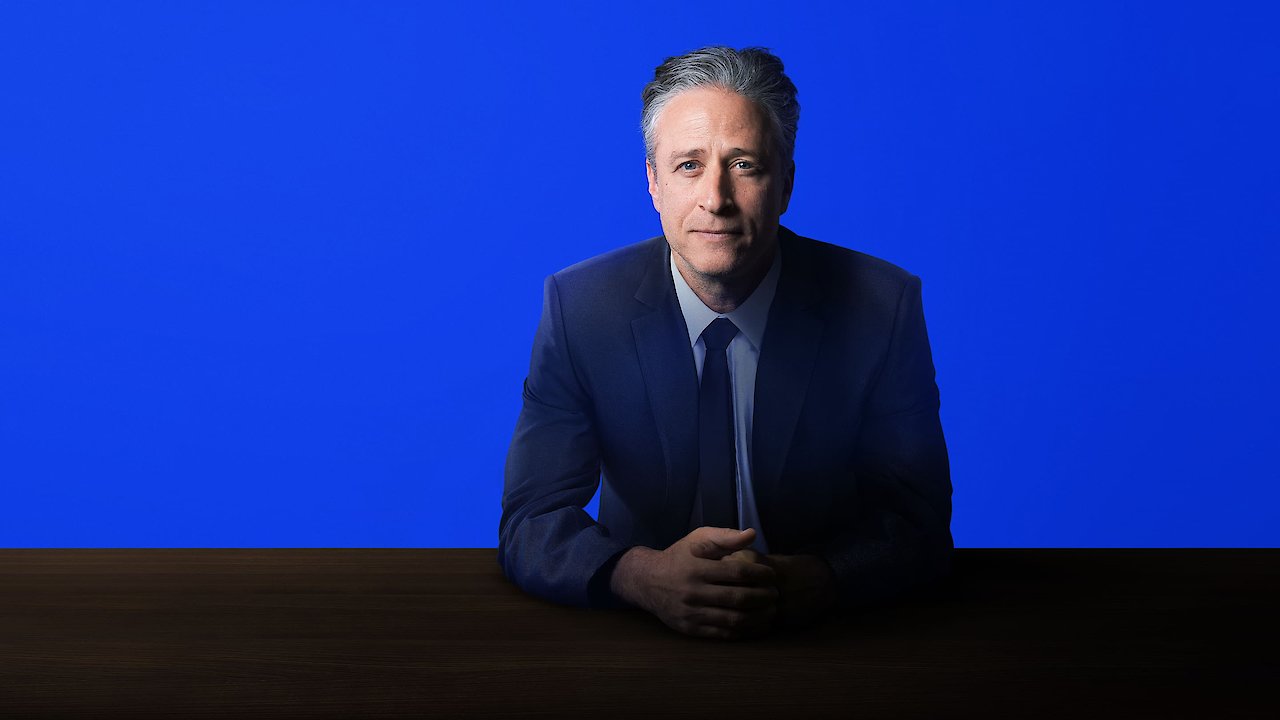
The Daily Show with Jon Stewart Season 17 Episode 119 Bassem Youssef
- June 21, 2012
-
8.0 (26)
Bassem Youssef, dubbed the "Egyptian Jon Stewart," joins Jon Stewart on The Daily Show for an enlightening interview in season 17 episode 119. Youssef, a former heart surgeon turned comedian, gained international fame for hosting a satirical news program in Egypt during the Arab Spring.
The episode kicks off with Stewart introducing Youssef and describing his background as a heart surgeon and how he transitioned into comedy by launching his own satirical news program in Egypt. Youssef appears on stage wearing a suit and tie, looking relaxed and confident. He speaks candidly about his experiences in Egypt, including the challenges of creating a show that consistently produced content that was both funny and informative while facing censorship and pressure from the government.
Throughout the interview, Youssef shares humorous anecdotes and jokes about his experiences as an Egyptian comedian. One of the funniest moments is when Youssef tells a story about how he was once mistaken for the country's then-new president (Mohamed Morsi) while walking down the street with his family. He says that he was wearing a similar outfit to the president and it was shortly after the election, so people were still in a celebratory mood. When people recognized him, they swarmed him and even asked to take pictures with him, thinking he was the new president. Youssef jokes that his wife was thrilled by all the attention and the honor of being the first lady, even though she never actually married the president.
Youssef also discusses the challenges of creating a show during the Arab Spring, including the constant pressure to strike the right balance between humor and politics. He explains that while the show was meant to be satirical, it was also a form of resistance against the repression and censorship that was prevalent in Egypt at the time. Youssef recalls the time he was arrested and interrogated by the government for insulting then-president Mohamed Morsi. He jokes that he was given a chance to make the charges go away by apologizing, but he refused, telling them that he couldn't apologize for something that was true.
Stewart and Youssef also discuss the role of comedy in shaping public opinion, particularly during times of political turmoil. Youssef argues that humor has the power to convey complex messages in a way that is accessible and engaging to a broad audience. He cites the example of how his show, which was primarily focused on Egyptian politics, became popular with audiences around the world because the issues he tackled were universal.
Overall, the episode is a fascinating and engaging conversation between two veteran comedians. Stewart and Youssef share a great rapport, and both bring humor and intelligence to the discussion. Youssef's insights into the role of satire in shaping public opinion are particularly interesting, and his experiences as a comedian in Egypt provide a unique perspective on the global power of comedy.