The Henry Ford's Innovation Nation Season 3 Episode 12 Doomsday Seed Vault
- February 4, 2017
In season 3 episode 12 of The Henry Ford's Innovation Nation, titled "Doomsday Seed Vault," viewers are taken on a journey to explore the world's first global seed bank. The show starts by introducing the Svalbard Global Seed Vault, which is located on the remote Norwegian island of Spitsbergen, deep inside the Arctic Circle. The vault is designed to serve as a backup for the world's crop diversity. It has been called the "Doomsday Vault" because it is meant to ensure that in the event of a global catastrophe, such as a nuclear war or a major crop failure, the world's food supply can be replenished.
The episode traces the origins of the seed vault to the early 2000s, when Norway partnered with the Global Crop Diversity Trust, an international organization dedicated to preserving the world's agricultural biodiversity. Recognizing the threats to crop diversity, including climate change, conflict, and natural disasters, the Svalbard project aimed to create a secure, long-term storage facility for seeds from all over the world.
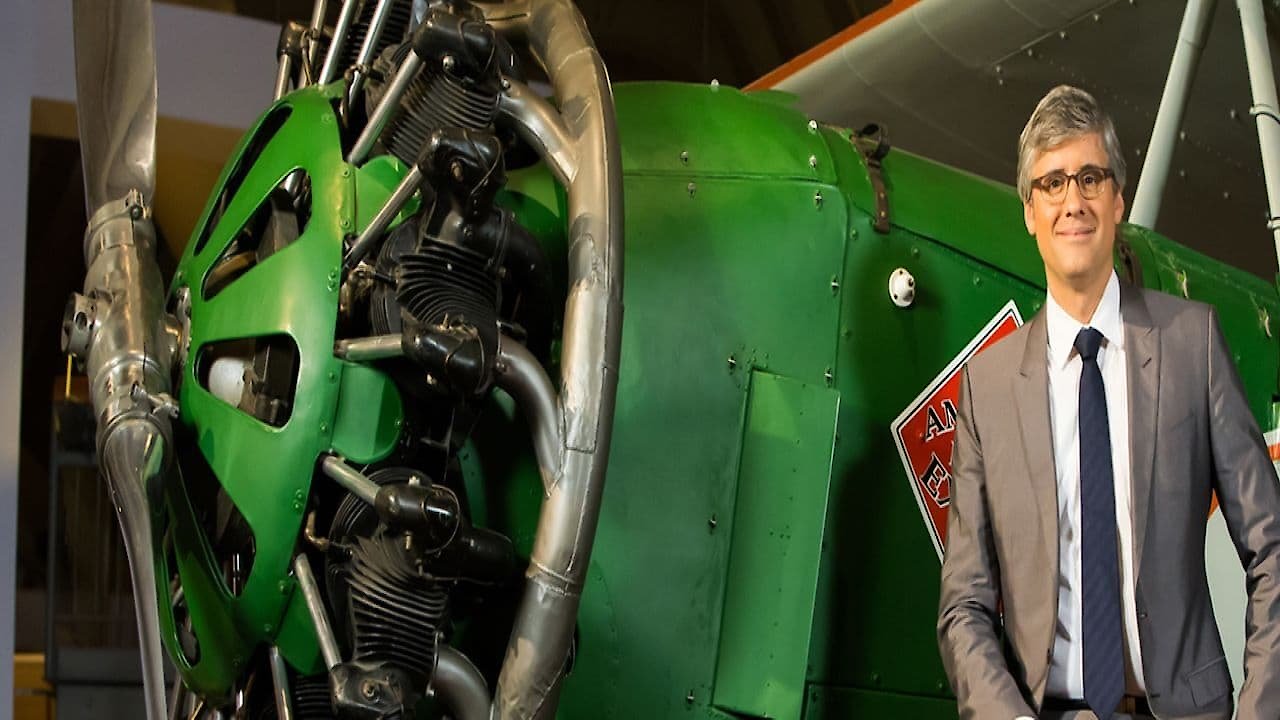
The host of the show, Mo Rocca, interviews scientists and engineers who were involved in the creation of the seed vault. He learns about the complex design of the facility, which was built to withstand earthquakes and even nuclear blasts. The vault has a capacity of 4.5 million seed samples, with each sample containing up to 500 seeds of a particular plant variety. The seeds are stored in sealed packages and placed inside shelves in a deep tunnel dug inside the permafrost layer of the mountain.
The show also explores the challenges faced by the project, such as the remote location and harsh climate of Spitsbergen. The team had to transport the seeds to the island by plane and boat, and build a road and an airport to facilitate the operation. The permafrost also presented some technical difficulties, as it can shift and crack, which can damage the structure of the vault. However, engineers came up with a unique solution: they installed a cooling system that keeps the temperature at a constant -18°C, even if the permafrost melts.
The episode highlights some of the key seeds stored in the vault, such as the African leafy vegetable, the Andean potato, and the pearl millet, which are important sources of nutrition and income for millions of people around the world. Mo Rocca also learns about the importance of crop diversity and the role of seed banks in preserving it. He visits the National Seed Storage Laboratory in Colorado, which is the largest seed bank in the US, and talks to scientists who are working to conserve endangered plant species and develop new crop varieties. He also meets farmers who are using traditional seeds and farming methods to adapt to changing climates and markets.
The show ends on a hopeful note, emphasizing the essential role of innovation and collaboration in securing the future of our food system. The Svalbard Global Seed Vault is just one example of how human ingenuity can help us tackle some of the biggest challenges we face as a species. By preserving the genetic diversity of our crops, we can ensure that we have the tools to adapt and thrive in a rapidly changing world.
Overall, "Doomsday Seed Vault" is a fascinating episode that combines science, history, and human interest to tell the story of a remarkable innovation that could have a profound impact on the future of our planet. It provides valuable insights into the importance of genetic diversity, the risks to our food systems, and the solutions that are being developed to address them. Whether you are a science enthusiast, a farmer, or just someone who cares about our collective future, you will find something to interest and inspire you in this episode.