The Night Of Season 1 Episode 7 Ordinary Death
- TVMA
- August 21, 2016
- 56 min
-
8.9 (4,104)
The Night Of, season 1, episode 7, titled Ordinary Death, delves deeper into the psychological and emotional turmoil surrounding the characters as they grapple with the aftermath of tragedy and the complexities of the legal system. The episode opens with a somber tone, reflecting the weight of choices made and the lives irrevocably changed by a single night’s events. As the story unfolds, viewers are drawn into the various perspectives of those intertwined in the process, from the accused to the law enforcement officials and the families affected by the crime.
At the center of the narrative is Nasir Khan, whose life has been turned upside down since the fateful night. In this episode, we see him wrestling with his thoughts as he attempts to come to terms with his new reality behind bars. The isolation and uncertainty weigh heavily upon him as he navigates relationships with other inmates while grappling with guilt, fear, and his own identity. This internal conflict is palpable, capturing the viewer’s attention as the struggle of a young man transforms from one of youthful abandon to one of survival and understanding.
Meanwhile, the legal team, spearheaded by the seasoned but troubled defense attorney John Stone, continues to build their case. Their investigation reveals more layers of the story, suggesting a complex web of motives and circumstances that may have led to the tragic events. The pressure intensifies as they face off against the prosecutorial team, determined to secure a conviction. The dynamics within the courtroom are tense, with the stakes higher than ever for all parties involved. This episode highlights the nuances of the judicial process, illustrating how the law can often feel arbitrary and the search for truth becomes obscured by layers of bias and assumption.
The relationships in The Night Of are intricately woven and are examined with a keen eye. We witness how Nas’s family is struggling significantly with the stigma and emotional toll of the situation. His parents, who once held dreams for their son’s future, are now dealing with the crushing reality of their son’s imprisonment. Their portrayal adds depth to the narrative as we understand their feelings of helplessness, despair, and confusion. Compounding this is the strain on their marriage, which raises questions about loyalty and support in the face of overwhelming adversity.
In parallel, the episode also explores the character of Detective Box. His relentless pursuit of the truth and pursuit of a suspect brings him face to face with his own ethical dilemmas. The audience sees the potential conflicts that arise when personal motivations impact professional responsibility, shining a light on the gray areas of police work. As he digs deeper into the case, the nuances of his character are brought to the forefront; he’s not just a hard-nosed detective, but a man driven by a desire for justice, even as the definition of justice becomes increasingly muddied.
As the title Ordinary Death suggests, the unpredictable nature of life and mortality is ever-present in this episode. Characters reflect on moments of life that may seem trivial, yet have profound implications on their existence. The interplay of fate and choice raises moral questions that linger in the air, urging viewers to consider how ordinary actions can lead to extraordinary consequences.
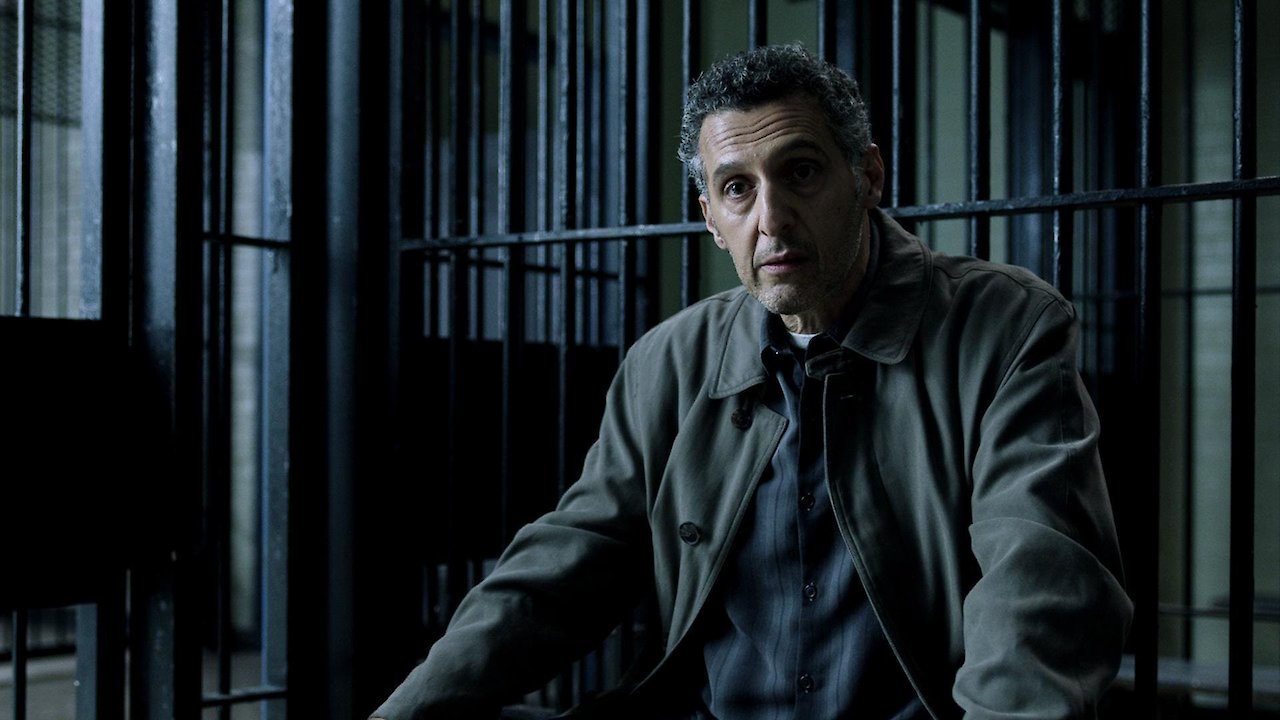
Visually, the episode maintains the show’s signature style, with cinematography that reflects the grim realities faced by the characters. The atmosphere is laden with a sense of foreboding, enhanced by a haunting score that underscores the emotional beats throughout the episode. The interplay of light and shadow mirrors the internal struggles and the external conflicts, crafting an immersive experience for the audience.
As the episode reaches its climax, the tension heightens. The interplay of emotions—fear, regret, anger, and a glimmer of hope—creates an intricate tapestry that leaves the viewer on the edge of their seat. With each revelation and nuance, The Night Of presents a compelling exploration of the human experience, raising philosophical questions about morality, justice, and the impact of decisions.
Ordinary Death serves as a crucial turning point in the series, inviting viewers to reflect on the humanity of all involved, even as they wrestle with the harsh realities of life. The episode acts as a quiet yet powerful meditation on the idea of death—not just as an end, but as an event that ripples through the lives of those touched by it. It questions what it means to live with choices that seem both ordinary and catastrophic, setting the stage for the penultimate episodes to come.