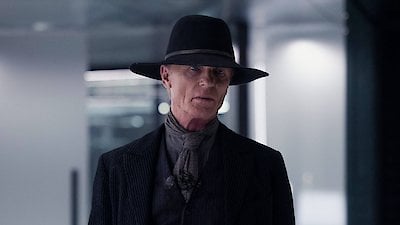
Westworld Season 4 Episode 4 Generation Loss
- TVMA
- July 17, 2022
- 50 min
-
8.7 (6,101)
In the emotionally charged and intellectually provocative fourth episode of Westworld's fourth season, titled Generation Loss, viewers are taken on a harrowing journey that explores the implications of memory, identity, and the fragility of existence in a world where predetermined destiny collides with human agency. As the narrative unfolds, the episode delves deep into the psyche of its characters, revealing the intricate layers that define their motivations, fears, and desires, set against the backdrop of a society reshaped by technology and turmoil.
The episode opens with an unsettling atmosphere, where the boundaries between past traumas and present realities begin to blur. Viewers are reintroduced to familiar faces, each grappling with the echoes of their past—those moments of betrayal, love, and loss that continue to haunt them. Themes of generational trauma resonate throughout the episode, as characters confront the legacies left to them by those who came before. This exploration is artfully interwoven with the series' overarching narrative about artificial intelligence, consciousness, and the very nature of humanity.
At the heart of Generation Loss is a central conflict between the need for connection and the fear of vulnerability. The characters' interactions are marked by tension as they navigate relationships fraught with mistrust and the ever-looming uncertainty about what it means to be "real." New alliances form, while old bonds are tested, culminating in poignant moments that challenge the characters' perceptions of loyalty and belonging. The dialogue is sharp and evocative, filled with philosophical musings that resonate with the audience, prompting them to reflect on their own lives and the choices they make.
The visuals in this episode are striking, with cinematography that captures the stark contrast between the serene artificial landscapes of Westworld and the raw emotional turmoil faced by its inhabitants. The production design is meticulous, creating spaces that feel both familiar and foreign, further emphasizing the disorienting experience that the characters undergo. Cinematic techniques are employed to reflect the internal struggles of the characters, such as disjointed timelines and lingering close-ups that invite viewers into their emotional worlds.
As the episode progresses, underlying tensions escalate, leading to moments of intense action and suspense. The stakes are raised as characters are forced to confront not only external threats but also the turmoil within themselves. The score complements the visual storytelling, adding an additional layer of emotional weight that heightens the sense of urgency and conflict. Every note seems to echo the characters' struggles, making the experience both a visual and auditory journey.
In Generation Loss, the writers continue to weave complex narratives that challenge traditional storytelling conventions. Flashbacks and dream sequences blend seamlessly with the present, providing context that deepens the understanding of each character's arc. Moments of clarity emerge amid the chaos, revealing secrets that have long been buried and connections that bind the characters together in unexpected ways.
The episode intricately examines the implications of technological advancements as they relate to memory and consciousness. With the introduction of new technologies, the question of what it means to remember, forget, or rewrite history becomes ever more crucial. Characters grapple with existential questions: How much of who we are is defined by our memories? Can we truly move forward if we are forever shackled to our past? Generation Loss encourages viewers to contemplate the nature of identity in a world where manipulation and control are always lurking in the shadows.
As the episode comes to a close, viewers are left with poignant moments that linger long after the credits roll. Each character finds themselves at a crossroads, faced with choices that will undoubtedly shape their futures as well as the world they inhabit. The episode leaves audiences pondering the dualities of loss and regeneration, a theme that resonates deeply within the narrative fabric of Westworld.
In summary, Generation Loss is a masterful exploration of human emotion, memory, and the quest for self-awareness in a world increasingly dominated by artificial intelligence. It captures the essence of Westworld's philosophical questions while delivering an engaging storyline filled with rich character development and stunning visual artistry. As the narrative weaves through the intricacies of generational trauma and the search for connection, it invites audiences to reflect on their own lives and the legacies they carry, ensuring that this episode will be remembered as a significant chapter in the ever-evolving saga of Westworld.