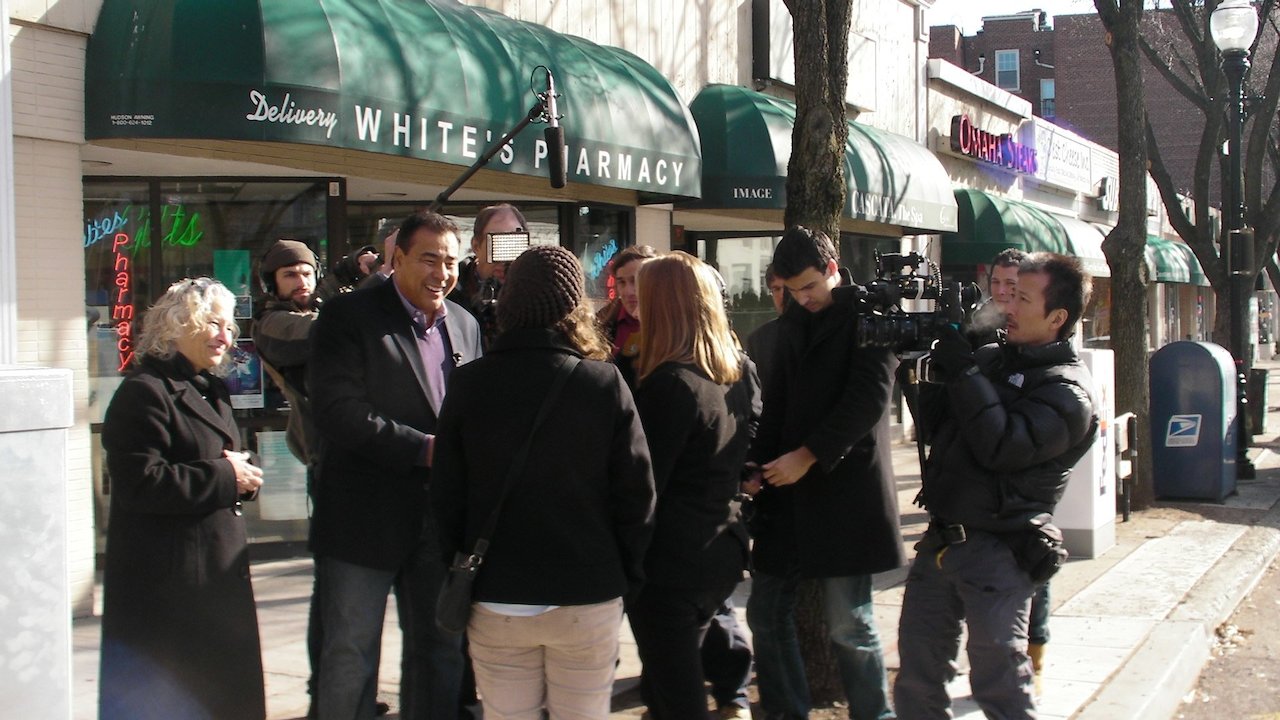
What Would You Do? Season 11 Episode 15 Unwanted Advances; Abusive Babysitter
- December 16, 2015
What Would You Do? Season 11 Episode 15: Unwanted Advances; Abusive Babysitter delves into the harrowing and complex dynamics of trust, responsibility, and intervention in contemporary society. This episode, like others in the series, presents viewers with morally challenging scenarios that prompt deep reflection about human behavior and ethics.
The episode opens with a scenario that examines the delicate relationship between caregivers and children, positioning the audience to witness a situation involving a babysitter whose unexpected advances towards a child raise alarming questions about safety and vigilance. Viewers will find themselves experiencing a range of emotions as hidden cameras capture the reactions of bystanders confronted with an uneasy tension—one that blurs the lines between personal responsibility and societal obligation.
As the scene unfolds, the babysitter demonstrates increasingly inappropriate behavior, gauging the limits of what is acceptable in a caretaker's role. The unsettling ambiance is cleverly calibrated, inviting viewers not only to observe but also to engage with the escalating discomfort of the situation. As potential protectors, bystanders are faced with critical choices: to remain passive observers or to intervene in the potentially dangerous circumstances unfolding before them.
Throughout the episode, various characters are introduced, each presenting unique perspectives and responses. Some feel compelled to jump into action, while others hesitate, debating the right course of action. This juxtaposition of reactions is essential to the show's exploration of human instinct, fear, and the moral dilemmas faced in situations requiring immediate judgment. Audiences will connect with these spontaneous heroes and reluctant witnesses, as their varied responses reflect a spectrum of societal attitudes toward intervention.
The show's creators expertly craft a narrative that transcends mere entertainment, urging viewers to reflect on their personal values and how they would respond if faced with such a formidable situation. The dilemmas highlighted in this episode provoke critical conversations about consent, authority, and the collective responsibility to safeguard vulnerable individuals—especially children—who are often unable to advocate for themselves.
As the episode progresses, the varying responses from bystanders highlight the importance of awareness and vigilance in a world where the boundaries of acceptable behavior can blur. Some onlookers may struggle to comprehend the seriousness of the situation, while others may recognize the small signs that signal deep-seated problems, prompting immediate action.
The producers prioritize not just the drama of the current situation but also the reactions that stem from it, fostering a rich and immersive environment for discussion. These encounters are not just performances; they are social experiments designed to unearth the values that dictate how society reacts to perceived wrongdoing, particularly when it involves the safety of children.
In addition to the core scenario, the episode presents heartfelt commentary on the nuances of caregiving and the societal expectations placed on those in positions of authority over young individuals. As the audience witnesses the moral quandaries of onlookers, the dialogue becomes increasingly vital. Viewers are encouraged to examine their own biases, fears, and the rationales that shape their decisions in high-pressure circumstances.
Unwanted Advances; Abusive Babysitter ultimately serves as a mirror reflecting societal issues related to child safety, the implications of unchecked authority, and the community's role in protecting its most defenseless members. The emotional weight of the episode is palpable, as trust is put to the test, and the implications of non-intervention loom large.
What Would You Do? challenges viewers to confront their own beliefs about right and wrong, steering them toward an understanding of the critical role each of us plays in fostering a safer environment. Viewers are likely left contemplating their own threshold for action, grappling with the question: What would I do?
This episode builds on the rich legacy of the series, which consistently blends entertainment with the opportunity for personal and social reflection. With every interaction captured by the hidden cameras, the narrative invites a deeper consideration of human nature, responsibility, and the importance of standing up for those who may not have the agency or ability to stand up for themselves. Each episode resonates profoundly, and this one promises to be no exception, leaving viewers with lingering thoughts long after the credits roll.
