What Would You Do? Season 2 Episode 2 Tue, Mar 4, 2008
- March 4, 2008
In this episode of "What Would You Do?" Season 2, viewers are taken on another captivating journey through various social experiments aimed at exploring how everyday people react to morally challenging situations. Airing on Tuesday, March 4, 2008, it presents a thought-provoking scenario that tests the ethical boundaries of individuals and seeks to shed light on issues that remain pervasive in our society.
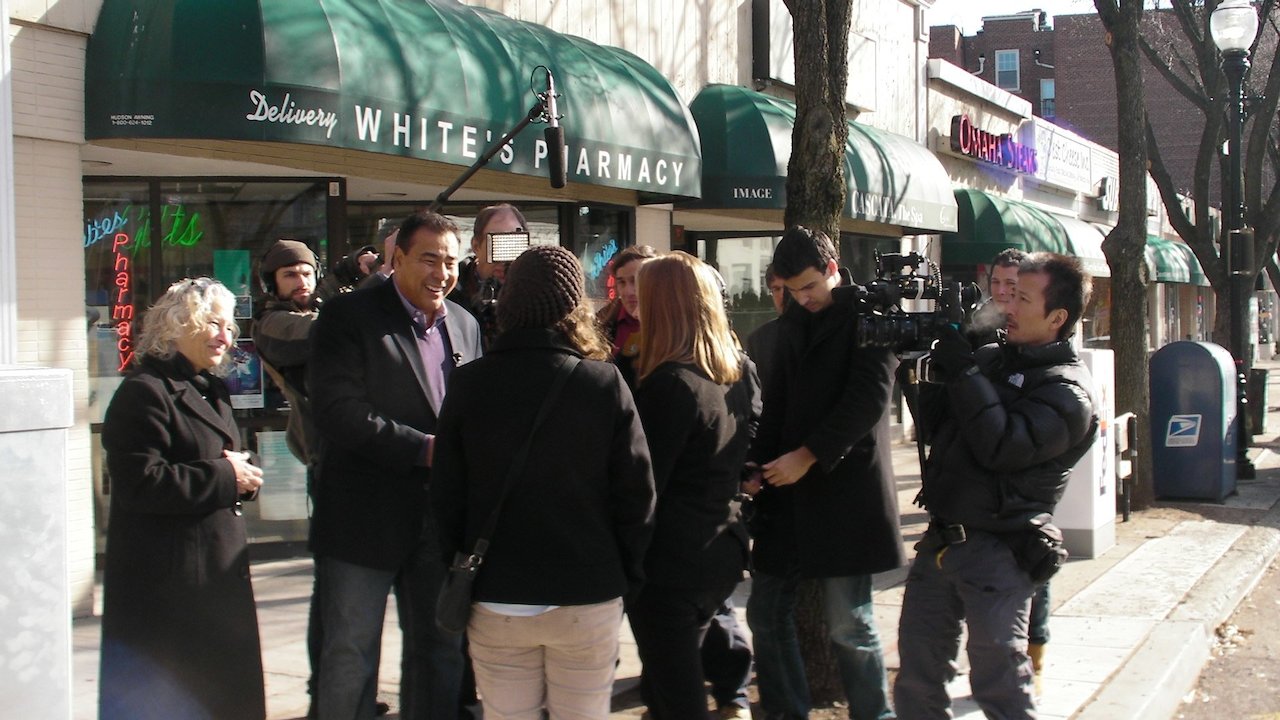
The episode begins with an intro by host John Quiñones, who sets the stage for the upcoming experiments. The show takes place in different locations across the United States, creating a diverse backdrop to gauge people's reactions and attitudes. Each scenario features actors playing out scripted scenes, while hidden cameras capture the spontaneous reactions of unsuspecting bystanders.
The first experiment revolves around a teenager who is being pressured into drinking alcohol at a house party. The party atmosphere is depicted realistically, with loud music, dimly lit rooms, and a group of rowdy peers encouraging the young man to indulge in excessive drinking. Meanwhile, another actor portrays a concerned friend, trying to dissuade him from partaking in alcohol consumption.
The show aims to examine how witnesses respond when they witness potential harm being inflicted upon a vulnerable teenager. Will they speak up and intervene, or will they remain silent and passive observers? Through the eyes of hidden cameras, viewers are provided a raw and unfiltered look at people's choices and actions.
As the scenario unfolds, the reactions of onlookers vary widely. Some individuals step up courageously, defending the teenager against his peers and standing firmly against the pressure to engage in harmful behavior. They confront the actors, expressing their concerns and advocating for responsible decision-making. These acts of bravery offer a glimmer of hope, revealing that there are individuals who are willing to take a stand for what they believe is right.
Conversely, other witnesses choose to remain silent, passively observing the unfolding situation without intervening. Their hesitation highlights the complexity of human behavior and demonstrates how societal pressures can influence our choices. The show aims to spark conversations and reflections on why some individuals choose to stay on the sidelines, providing an opportunity for viewers to consider their own moral compasses.
The second experiment of the episode involves a potentially distressing scenario at a local park. An actor portrays a young mother struggling to control her unruly child, while a bystander in the vicinity watches the situation unfold. The child's behavior escalates, and the mother becomes visibly overwhelmed, becoming increasingly frustrated and stressed. The aim is to gauge the reactions of onlookers in this challenging parental situation.
Once again, the responses from the bystanders vary greatly. Some individuals step in, offering a helping hand or words of advice, understanding the difficult task of parenting and the toll it can take on an individual's emotional well-being. Their empathy and support demonstrate the power of compassion and the importance of community.
On the other hand, there are those who choose to look away, pretending not to notice the distressed mother and her child. Such reactions highlight the difficult reality that many face in navigating societal expectations and judgments, making this scenario especially insightful and thought-provoking.
Throughout the episode, viewers bear witness to a range of emotional reactions and moral dilemmas. The show aims to challenge societal norms and stimulate conversations on various topics like peer pressure, responsibility, empathy, and compassionate actions.
"What Would You Do?" Season 2, Episode 2, airing on March 4, 2008, is a captivating exploration of human behavior in the face of challenging situations. It offers a compelling glimpse into the ethical choices people make when confronted with moral dilemmas, revealing the complexities of human nature and the potential for acts of kindness, compassion, and standing up for what is right.