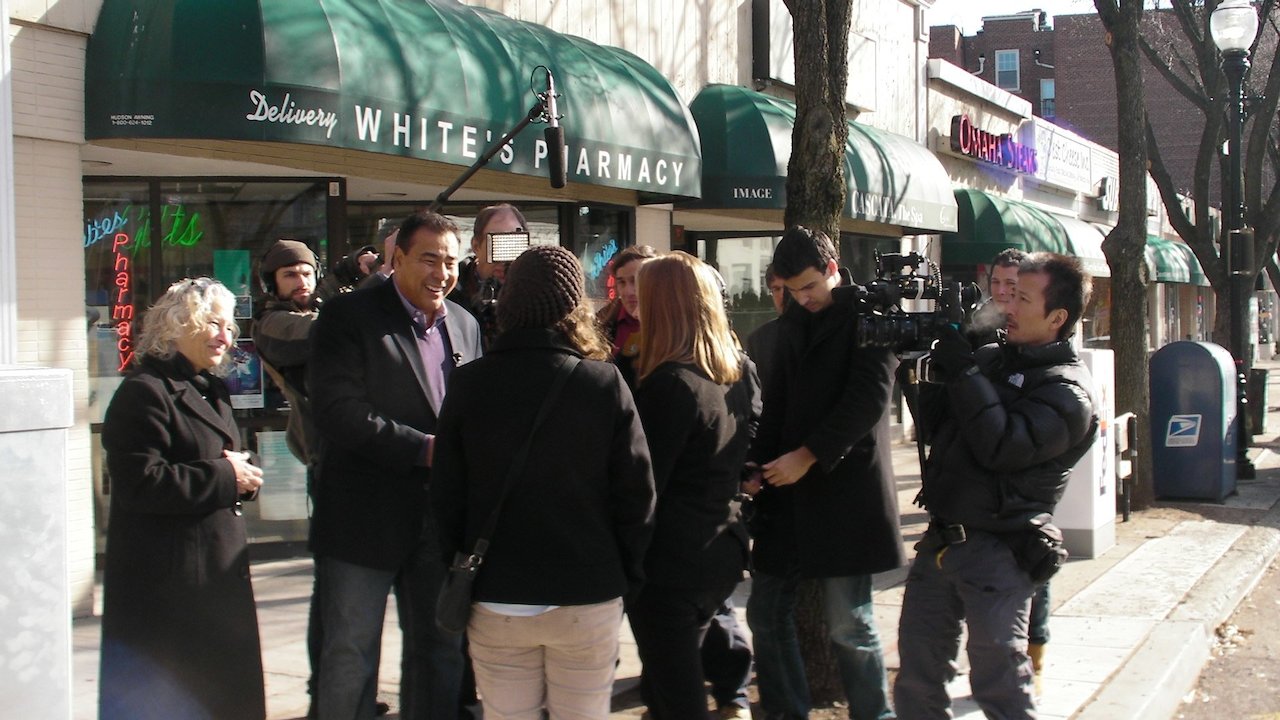
What Would You Do? Season 5 Episode 1 Fri, Oct 29, 2010
- October 29, 2010
What Would You Do? returns for its fifth season with a compelling episode that delves into the complexities of human behavior and the moral dilemmas we face in everyday situations. Airing on October 29, 2010, this episode challenges viewers to consider how they would react if confronted with a variety of ethical scenarios that provoke thought, discussion, and sometimes even heated debate.
The premise of What Would You Do? revolves around hidden cameras capturing ordinary people responding to staged scenarios that raise significant ethical questions. Each setup is crafted to elicit authentic reactions from unsuspecting bystanders, creating an intriguing social experiment that reveals the nature of compassion, empathy, and courage under pressure.
In this particular episode, viewers can expect a series of carefully orchestrated vignettes designed to test the limits of human kindness and moral integrity. As the camera rolls, participants become unwitting actors in a social drama that holds a mirror to society and asks pressing questions about right and wrong.
One scenario features a confrontation in a public space, where a young person experiences blatant discrimination. As bystanders witness the situation unfold, the show invites viewers to reflect on whether they would choose to intervene or remain silent. Throughout the segment, the reactions of individuals vary dramatically, highlighting a spectrum of humanity that includes bravery, indifference, and a mix of both. The dynamics of power and vulnerability are skillfully illuminated, and the episode underscores the significance of standing up for what is right when faced with injustice.
Another vignette focuses on the theme of honesty and deception, where someone's integrity is put to the test in a seemingly innocuous setting. This scenario aims to explore the lengths to which people will go to protect themselves or others when honesty and deception collide. Viewers will see firsthand the diverse responses from passersby, illustrating the intricate dance between morality and self-interest in our daily lives.
In a lighter but equally poignant segment, the episode presents a scenario involving a child attempting to sell lemonade on a hot day. As customers approach, the question of generosity arises: how much are people willing to give when the stakes are low, yet the impact can be significant? The responses to this heartwarming yet revealing scenario showcase not just the kindness of strangers but also the subtle social pressures that inform our decisions to give or withhold.
With each unfolding story, What Would You Do? invites the audience to engage with the ethical dilemmas presented, prompting viewers to consider what they would do in similar situations. The show expertly balances amusement with profound social commentary, creating a space for reflection and introspection. The interactions captured on camera can stir a variety of emotions, from laughter to frustration, as the characters navigate their environments and respond to one another.
As the episode progresses, viewers are encouraged to ponder broader societal themes, such as the influence of culture, upbringing, and societal norms on individual decision-making. The show’s host, with their insightful commentary, weaves these themes into the narrative, enriching the viewing experience and prompting a deeper understanding of the human condition.
In the culmination of the episode, audience reactions and expert insights provide context to the situations depicted. Viewers are left to grapple with their own beliefs and experiences, often reassessing their understanding of morality in light of the diverse and often surprising reactions of those filmed. The power of collective humanity is showcased, reminding us that no matter the setting, our choices and actions can have a meaningful impact on one another.
Overall, the season premiere of What Would You Do? serves as a compelling invitation to reflect on the nature of kindness, the boundaries of ethical behavior, and the rich tapestry of human interactions. It engages viewers not only as passive participants in the entertainment experience but also as active participants in the ongoing conversation about what it means to be a responsible and ethical member of society. This episode promises to resonate with audiences, leaving them not just entertained, but also thoughtful about the moral landscapes we navigate in everyday life.
