What Would You Do? Season 6 Episode 5 Fri, Feb 24, 2012
- February 24, 2012
What Would You Do? returns with another thought-provoking episode in Season 6, Episode 5, which aired on February 24, 2012. The show continues to explore the complexities of human behavior and moral dilemmas, setting the stage for scenarios that test the boundaries of individual ethics and societal norms.
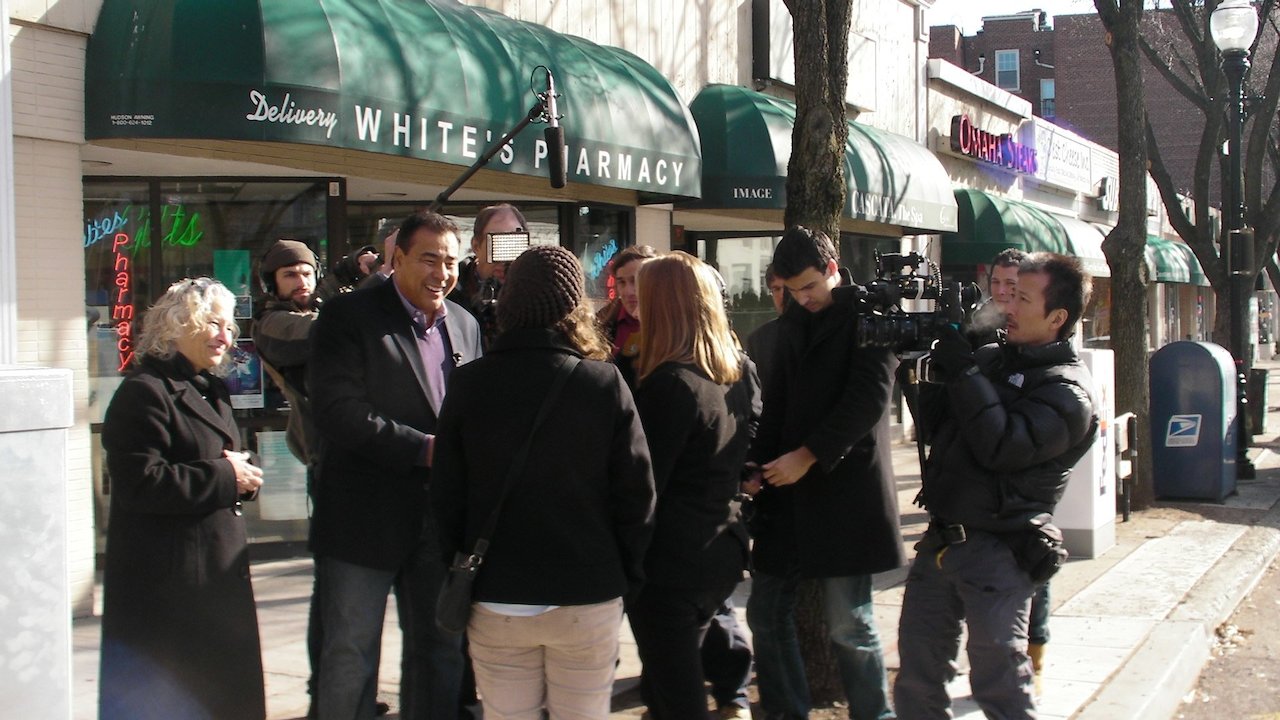
In this episode, the hidden cameras are once again strategically placed in everyday settings to observe how ordinary people react to extraordinary situations. The scenarios presented are crafted to provoke thought and raise critical questions about morality, empathy, and personal responsibility. As viewers, we are given a unique glimpse into the varied responses of bystanders when confronted with situations that challenge their sense of right and wrong.
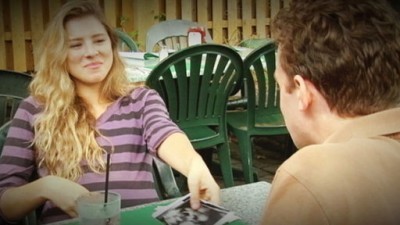
Each vignette presented in the episode is expertly designed to elicit a spectrum of reactions, ranging from indifference to decisive intervention. The diverse cast of actors portrays the individuals caught in the moral quandaries, while unsuspecting members of the public are placed in the position of either becoming witnesses or active participants in these unfolding dramas. This creates a dynamic environment where the audience can engage with the narrative on a deeper level, reflecting on their own potential reactions to similar circumstances.
One scenario may explore the theme of bullying, where a young person is targeted by their peers in a public space. The reactions of bystanders will highlight the varying degrees of empathy and courage, as some individuals intervene to defend the victim, while others may choose to look away, illustrating the painful reality of social dynamics. This interplay of human behavior serves to remind us of the moral responsibilities we hold, even as strangers.
Another situation could delve into issues of discrimination or prejudice, showcasing an incident where individuals face unfair treatment based on race, gender, or other identifiable characteristics. The public's reactions—whether they choose to stand up against the injustice or remain passive—can spark crucial conversations about inclusion, diversity, and the role of bystanders in social justice movements. Each response serves as a mirror reflecting societal attitudes and the inherent challenges of standing up for what is right.
The show also places emphasis on the internal struggles individuals face when confronted with difficult situations. When faced with the choice to intervene or remain a bystander, many feelings can come into play—fear, uncertainty, or the desire to avoid confrontation. What Would You Do? masterfully captures these moments, showing that the decision-making process is rarely black and white; each choice comes with its own set of consequences and moral weight.
As is customary, the episode wraps up with insightful commentary from John Quiñones, who guides viewers through the reactions and choices made throughout the various scenarios. After each vignette, viewers gain access to interviews with both the actors involved in the original set-up and the bystanders who were caught in the moment. These reflections provide a richer understanding of human psychology, revealing what drove individuals to act—or not act—in the face of injustice.
The season 6 episode 5 of What Would You Do? not only entertains but challenges audiences to engage with critical social issues. It compels viewers to evaluate their own values and their potential responses to real-world dilemmas. With each scenario, the show emphasizes that ordinary people often find themselves facing extraordinary choices, and it is through these moments of introspection that we can foster a greater understanding of human empathy and social responsibility.
In summary, this episode serves as a reminder that we are all capable of making impactful choices, and that even small acts of kindness can lead to significant changes in the lives of others. It encourages discussions about ethics, the power of personal agency, and the importance of standing up for what is right. As it unfolds, viewers can expect a rich exploration of morality that resonates long after the credits roll, prompting them to consider what they would do in similar situations.