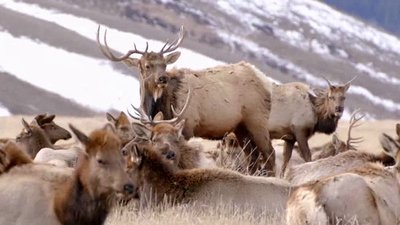
Xploration Awesome Planet Season 3 Episode 5 Animal Migration
- Not Rated
- October 8, 2016
- 25 min
The Xploration Awesome Planet season 3 episode 5, titled "Animal Migration," takes viewers on a journey across the globe to explore the phenomenon of migration among various species. The episode showcases the incredible abilities of different animals to navigate long distances, often across harsh terrain and through extreme weather conditions, with remarkable precision.
The episode opens with an introduction to the concept of migration, with the host highlighting the different types of animals that migrate, including mammals, birds, fish, and insects. The host explains that migration is an essential survival strategy for many animal species, allowing them to find suitable habitats, food, and mates.
The show then delves into the specifics of animal migration by highlighting various examples from around the world. Viewers witness the incredible journey of wildebeests in Africa's Serengeti, who undertake an annual migration of over 1,000 miles as they follow the rains in search of fresh grass and water. The program also features the monarch butterfly, which migrates up to 3,000 miles from North America to Mexico every year, with the help of Earth's magnetic fields and other navigational tools.
Another noteworthy segment of the episode focuses on the migration of birds, which is both widespread and incredibly diverse. The program showcases the migration of hummingbirds, who fly over 500 miles non-stop across the Gulf of Mexico, and how sandhill cranes navigate over 5,000 miles every year from Siberia to Texas. The episode also covers the arctic terns, which migrate from the Arctic regions to the Antarctic and back again every year, making it the longest migratory journey of any animal.
The episode also explores the intricacies of migration patterns and how many species rely on specific cues to navigate. The program explains how animals use a combination of celestial cues, environmental cues, and magnetic fields to find their way. The episode showcases how sea turtles use the Earth's magnetic field to navigate long distances in the ocean, while loggerhead turtles navigate using ocean currents. The program also explains how monarch butterflies use the position of the sun to stay on track during their migrations.
Throughout the episode, viewers can witness the unique adaptations that animals have developed to survive migration. These adaptations include physiological changes, such as increased fat storage in preparation for long journeys, and physical changes in body shape to optimize flight for birds. The program also showcases the social behavior of some migratory animals, such as the caribou, who travel in large herds for safety and efficient grazing.
Overall, Xploration Awesome Planet season 3 episode 5 provides a fascinating look at the phenomenon of animal migration. The episode emphasizes the diversity of migratory animals, their incredible abilities to navigate, and the adaptations that allow them to survive long-distance journeys. This episode is a must-watch for anyone interested in animal behavior and the wonders of the natural world.
