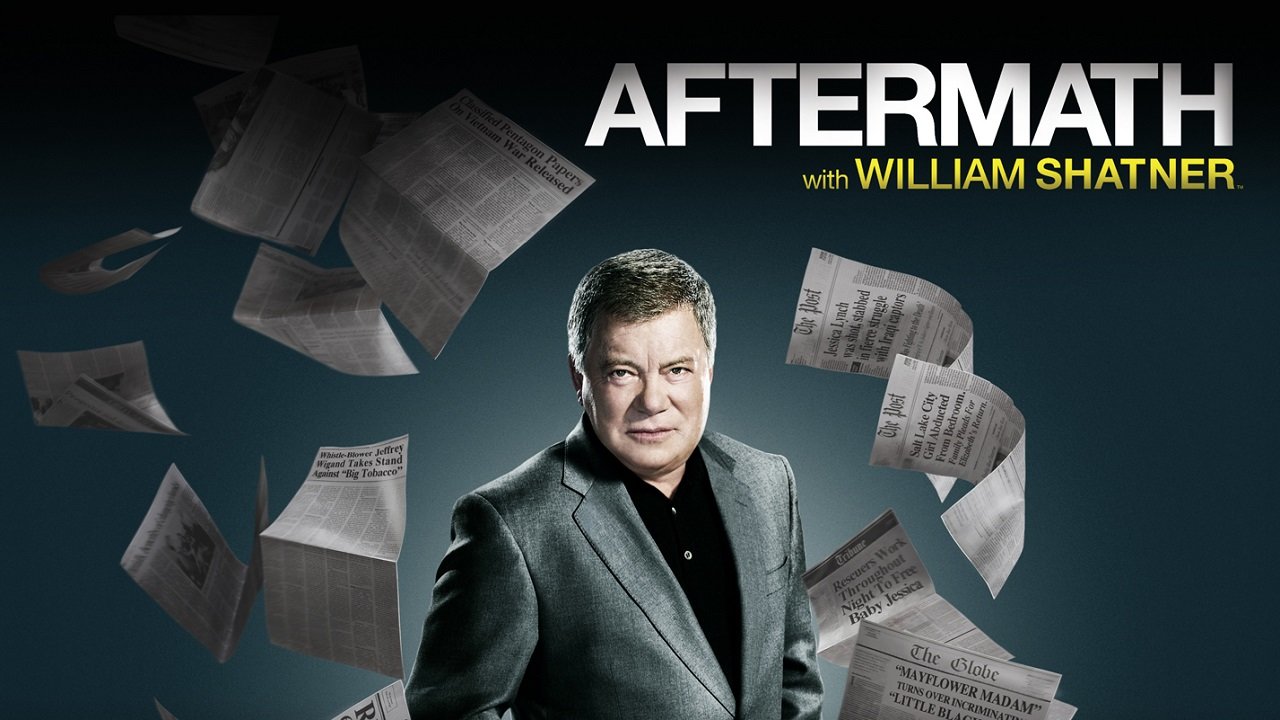
Aftermath with William Shatner Season 1 Episode 1 Bernhard Goetz
- TV-14
- August 2, 2010
- 44 min
Aftermath with William Shatner is a compelling series that delves into some of the most emotionally charged and controversial events in recent history, exploring their profound impact on society and the individuals involved. In the first episode of season 1, titled Bernhard Goetz, the show investigates the case of a man whose actions would ignite a national debate over crime, self-defense, and the justice system in America.
Set against the gritty backdrop of 1980s New York City, the episode provides a vivid portrait of an era marked by rising crime rates and public fear. William Shatner, the iconic host and narrator, guides viewers through the complex narrative, providing insights that challenge preconceived notions about morality, justice, and societal responsibility. Through interviews, archival footage, and expert analysis, the episode paints a detailed picture of the circumstances surrounding Bernhard Goetz and the event that would change his life forever.
Bernhard Goetz, often referred to as the "Subway Vigilante," became a polarizing figure after he shot four young men on a subway train in December 1984. The episode meticulously explores Goetz’s background, revealing the factors that contributed to his mindset leading up to the incident. Viewers are given a glimpse into his life before the shooting, including his experiences as a victim of crime, which shaped his views on safety and justice.
The episode does not shy away from the complexities of Goetz’s character. It examines the motivations behind his actions, posing difficult questions about what drives a person to take the law into their own hands. The narrative shifts between Goetz’s perspective as a beleaguered citizen feeling unprotected in a crime-ridden city, and the perspectives of others who were affected by his violent response. The juxtaposition of these viewpoints fosters a nuanced discussion about vigilante justice and the moral dilemmas that accompany it.
Throughout the episode, Shatner facilitates conversations with law enforcement officials, legal experts, and sociologists who provide context about the larger societal implications of Goetz’s actions. They discuss how the incident sparked significant discourse in media and public policy, prompting debates over gun control, crime rates, and the psychology of fear in urban settings.
Audiences witness the immediate aftermath of the shooting, as newspaper headlines flash across the screen and public opinion begins to form. The episode captures the media frenzy that surrounded Goetz, showcasing how the story evolved into a symbol of the struggle between law enforcement and private citizens’ rights to defend themselves. With each twist in the narrative, viewers are encouraged to reflect on their own beliefs about justice and whether Goetz was a hero or a criminal.
As the episode progresses, Shatner delves into the trials that followed the shooting, examining the legal ramifications and the various legal battles that Goetz confronts. The show highlights the contrasting views held by defenders and detractors of Goetz. Supporters argue that he acted out of desperation and a genuine fear for his safety, while opponents view his actions as reckless and unjustifiable.
Visually rich and thought-provoking, the episode utilizes a mix of contemporary interviews and historical context to enhance the storytelling. Audiences are confronted with the stark realities of urban life in the 1980s and the implications of living in a city where crime is rampant and fear is pervasive.
In a broader sense, Bernhard Goetz serves as a lens through which to examine the psyche of an entire generation grappling with issues of violence, safety, and morality. The episode poses poignant questions that resonate even today: How do we define justice in a world where the lines between right and wrong can blur? What are the repercussions of taking matters into one’s own hands? And how does fear shape our understanding of self-defense?
With its rich narrative and thoughtful analysis, the premiere episode of Aftermath with William Shatner invites viewers to engage in a deeper discussion surrounding the complexities of justice and morality. The episode concludes by leaving the audience to contemplate the long-lasting consequences of Bernhard Goetz’s actions on both his life and the societal landscape that followed.
In summary, this episode of Aftermath is a powerful introduction to a series that promises to tackle demanding subjects head-on, encouraging critical thought and empathy for all perspectives involved in some of the most significant events in contemporary history.
