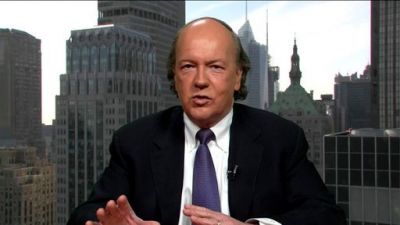
Boom Bust Season 1 Episode 78 Jim Rickards: Monetary Solutions Can't Solve Structural Problems
- TV-PG
- March 11, 2014
Jim Rickards, a financial expert, joins Boom Bust in season 1 episode 78 to discuss the limitations of monetary solutions in solving structural economic problems. In a riveting conversation, he delves into the intricacies of the global financial system, drawing insights from his experience and knowledge of economics.
The episode explores key issues affecting the world economy, including the role of central banks in shaping market dynamics, inflation, debt, and the effects of the pandemic on economies worldwide. Rickards argues that while monetary solutions such as quantitative easing and fiscal stimulus measures can provide some short-term relief, they cannot address underlying structural problems that hinder economic growth in the long run.
Throughout the episode, Rickards draws on examples from history and current events to illustrate his points. He highlights the limitations of monetary policy and the importance of structural reforms in promoting economic growth. Moreover, he notes that inflation poses a significant risk to global economic stability, and central banks need to be more proactive in monitoring and managing inflationary pressures.
The discussion also touches on the impact of the pandemic on the global economy. Rickards highlights the importance of rapidly developing vaccines to control the spread of the virus and mitigate its economic impact. He notes that while some governments have responded well to the pandemic, others have not done enough to address the crisis.
Overall, the episode offers a thought-provoking analysis of the global economic situation. Rickards provides valuable insights into the limitations of monetary policy and the need for structural reforms to drive economic growth. His assessment of the pandemic's impact on the economy, as well as his recommendations for economic policymakers, make this episode a must-watch for anyone interested in understanding the forces shaping the global economy today.