Born To Explore Season 5 Episode 19 Tanzania: Soul of Africa
- April 9, 2016
In this episode of Born To Explore, viewers are taken on a journey to the heart of East Africa - Tanzania, a land teeming with an array of wildlife and rich cultural heritage. Tanzania is famous for its national parks and conservation areas, and the episode captures the essence of these unique habitats while revealing the real-life challenges faced by those who live on the frontlines of animal conservation.
The host, Richard Wiese, joins some of Tanzania's most respected wildlife experts to explore the country's natural wonders. The episode takes viewers on an aerial tour of the Serengeti National Park, where we see firsthand the great migration of wildebeests, zebras, and gazelles. This annual migration is one of the greatest spectacles in the animal kingdom and attracts visitors from all over the world. However, as the episode reveals, this migration brings some unique challenges to those tasked with preserving the natural environment and its inhabitants.
From the sky, the show moves closer to the ground, showing viewers the day-to-day life of the Maasai people. The Maasai are one of Tanzania's oldest and most vibrant tribes, living a semi-nomadic lifestyle, in tune with the rhythms of the natural world around them. Here we learn about their unique relationship with the land and the animals that roam it. Richard Wiese meets with some of the Maasai people to learn more about their ancient customs and traditions, such as how they use herbal remedies to heal sicknesses and the symbolism behind their elaborate beadwork.
As the episode progresses, we meet some of the conservationists who are dedicating their lives to preserving Tanzania's natural environment. We learn about the challenges they face, from rampant poaching to decreasing habitats, but also about their successes in protecting animals in their native habitat and creating more awareness about important environmental issues. The show also highlights the role of technology in conservation, demonstrating how GPS tracking enables conservationists to monitor the movements of animals to better understand the threats they face.
Next, we move to the Ngorongoro Crater, one of the largest volcanic calderas in the world and a UNESCO World Heritage Site. Here, we see the beauty of this unique ecosystem, which houses an array of wildlife, including elephants, lions, and the endangered black rhinoceros. Viewers are taken on safari rides to capture a glimpse of the wide range of wildlife that flourishes within this natural wonder.
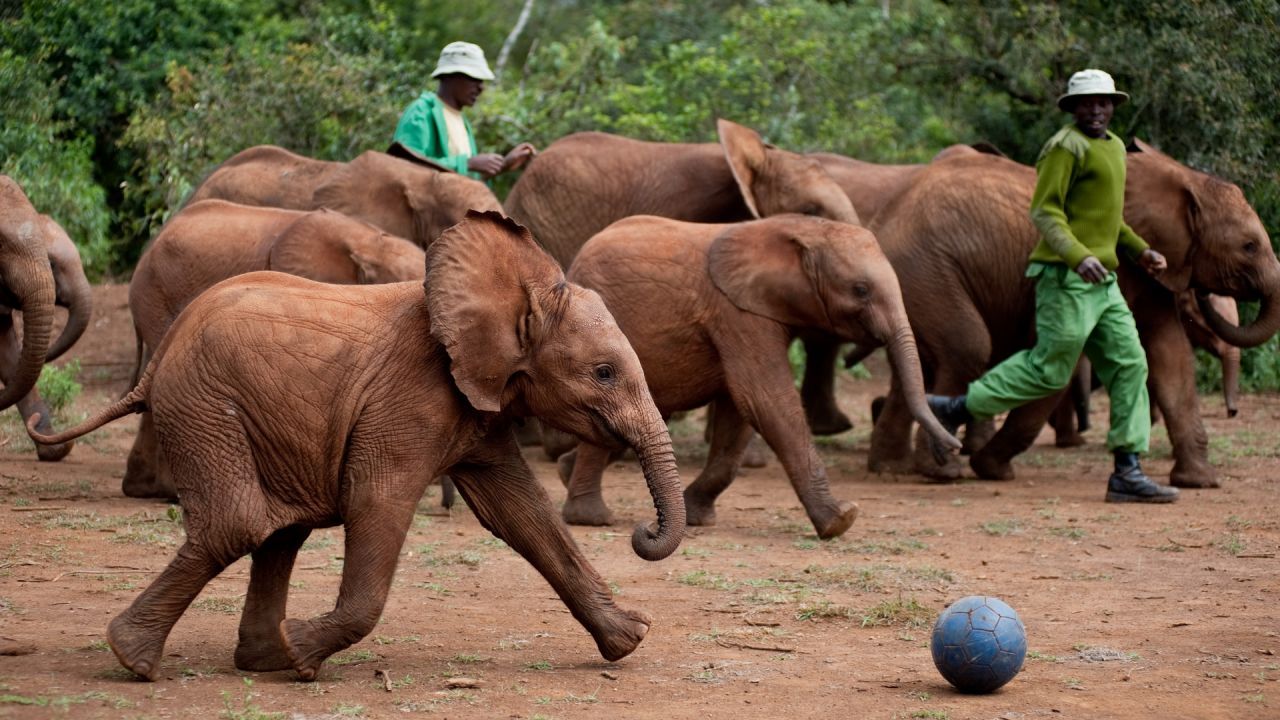
The episode wraps up with a visit to a wildlife rehabilitation center, where animals such as elephants and lions that have been injured or lost their way are brought for care. We see up close the work that goes into rehabilitating these animals, providing viewers with a deeper appreciation for the work done to preserve Tanzania's natural heritage for generations to come.
Overall, Tanzania: Soul of Africa is an informative and visually stunning episode that celebrates the natural wealth of Tanzania, its cultural heritage, and the remarkable efforts of the people dedicated to protecting it. It serves as a reminder of the importance of preserving our planet's natural resources and teaches viewers valuable lessons about the delicate balance between human and animal co-existence.
