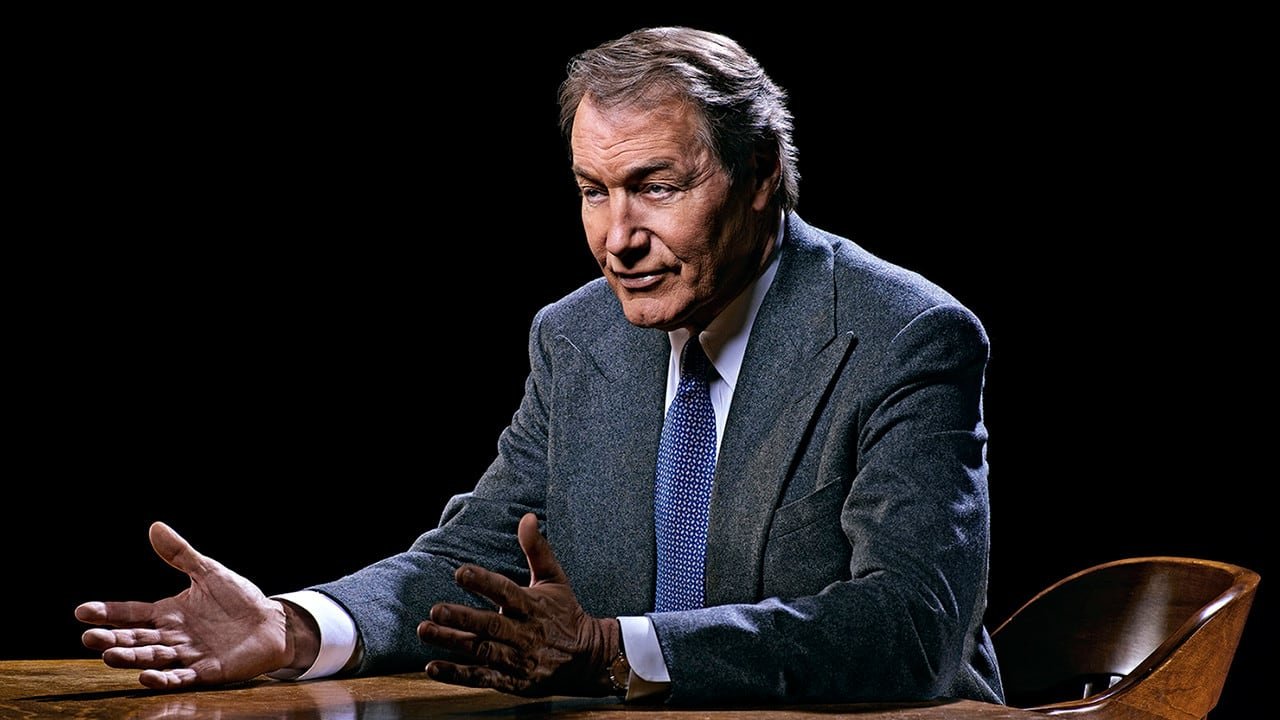
Charlie Rose Season 8 Episode 18 Charlie Rose (August 28, 2001)
- TV-NR
- August 28, 2001
- 55 min
Charlie Rose (August 28, 2001) – Season 8, Episode 18
In this riveting episode of Charlie Rose, viewers are treated to a thought-provoking discussion with some of the most influential figures in the world of arts, culture, and politics. Hosted by the renowned journalist and talk show host Charlie Rose, this episode brings together diverse perspectives and intriguing conversations that keep audiences engaged throughout.
The episode begins with an inspiring interview featuring one of the most prominent figures in the literary world, Toni Morrison. As the first African American woman to win the Nobel Prize in Literature, Morrison shares her profound insights on race, identity, and storytelling. With her captivating presence and commanding intellect, she delves into the power of literature to shape society's understanding of racial experiences. This conversation with Morrison serves as a significant exploration into the interplay between art and social change.
Switching gears to the realm of politics, Charlie Rose welcomes Senator John McCain to the program. As a highly respected and influential senator, McCain discusses the pressing issues of the day, from domestic policies to international relations. With his trademark candor and depth of experience, McCain provides valuable perspectives on topics such as national security, the economy, and the future of American politics.
Continuing the political theme, the episode delves into a fascinating conversation with Douglas Feith, the Under Secretary of Defense for Policy in the United States Department of Defense. Feith, known for his expertise in security policy and strategy, offers unique insights into national defense, global conflicts, and the role of the US military. As an influential voice in shaping American foreign policy, Feith's interview sheds light on the complexities and challenges facing the nation.
Shifting gears once again, the episode features a captivating discussion with acclaimed photographer Robert Frank. Known for his groundbreaking book "The Americans," Frank has had an indelible impact on the world of documentary photography. Through his intimate and revealing portraits of American society, he challenges conventional notions of the American Dream and captures the essence of a nation in flux. Viewers can expect a fascinating exploration of Frank's artistic process and the power of visual storytelling.
As the episode progresses, Charlie Rose engages in a poignant conversation with Maria Bartiromo, the esteemed financial journalist and television anchor. Known for her expertise in business and economics, Bartiromo provides valuable insights on the state of the global economy, emerging markets, and the impact of technology on financial markets. Her astute analysis and engaging storytelling make for a compelling segment that will captivate viewers interested in the intersection of finance and media.
To conclude the episode, Charlie Rose sits down with Arthur Mitchell, the trailblazing African American ballet dancer and choreographer. As the founder of the Dance Theatre of Harlem, Mitchell shattered racial barriers in the world of dance and left an enduring legacy. Offering a firsthand account of his remarkable journey, Mitchell shares his experiences navigating a predominantly white art form and the importance of diversity in the arts. This interview serves as a testament to the transformative power of dance and the resilience of those who challenge the status quo.
With its wide-ranging discussions and insightful conversations, Charlie Rose (August 28, 2001) offers viewers a captivating blend of intellectual stimulation and powerful storytelling. From the realms of literature, politics, photography, finance, and dance, this episode showcases the brilliance and depth of the featured guests. As always, Charlie Rose's masterful hosting skills allow for meaningful and thought-provoking dialogues, making this episode a must-watch for anyone seeking intellectual nourishment and a better understanding of the world around us.
