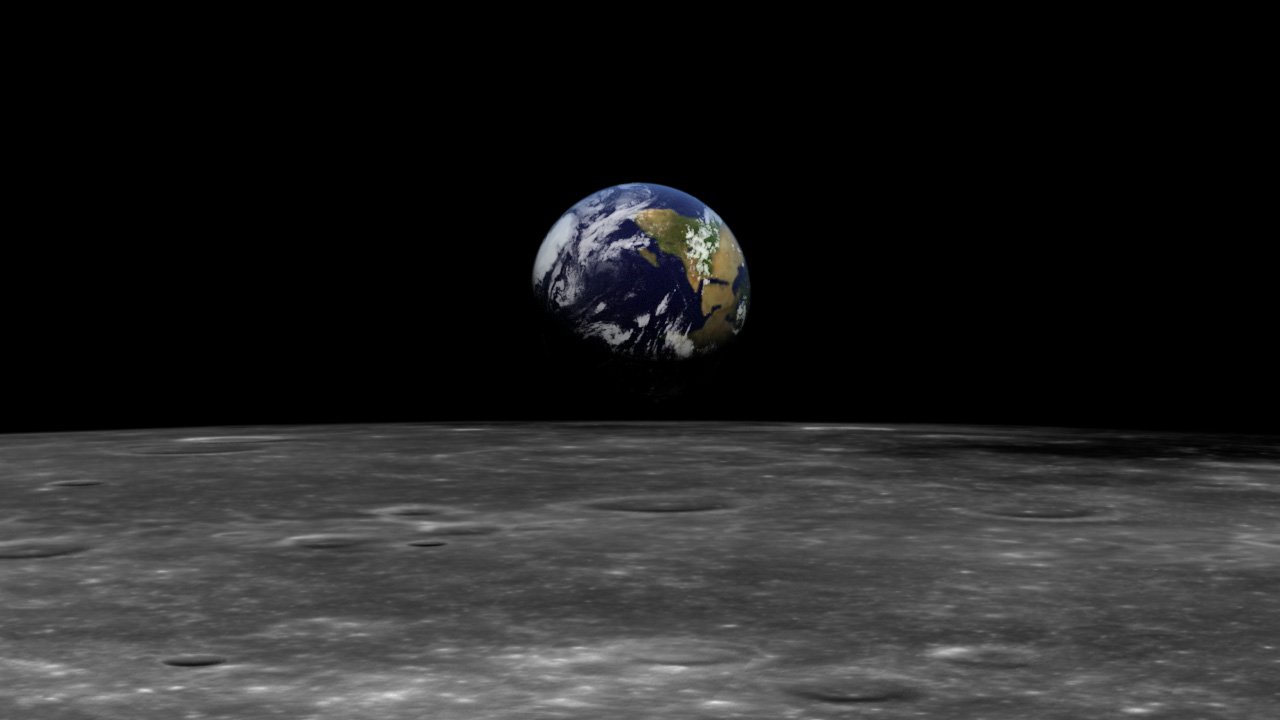
How the Earth Was Made Season 1 Episode 301 How the Earth Made Man
- TV-PG
- October 11, 2012
- 86 min
How the Earth Was Made is a television series produced by History Channel, which explores the geological history of our planet. The show features experts who explain how different processes, such as volcanic eruptions, earthquakes, and other natural phenomena, have shaped the Earth as we know it today. Season 1 episode 301, titled How the Earth Made Man, explores the relationship between human beings and the geological forces that have played a role in our evolution.
The episode begins by looking at the impact of plate tectonics, as the movement of the Earth's crust has influenced the formation of continents and oceans. The show explores how the shifting of these plates has resulted in the creation of mountain ranges and deep ocean trenches. By examining the geology of the Earth, researchers can better understand how the landscape of our planet has influenced the development of early human civilizations.
The episode takes a closer look at the role of volcanic eruptions in shaping the Earth and human history. Volcanic activity has had both positive and negative effects on human populations throughout history. The eruption of Mount Tambora on the Indonesian island of Sumbawa in 1815, for example, caused a global cooling event that resulted in widespread famine and disease. On the other hand, volcanic ash and soil can be incredibly fertile, leading to the development of thriving agricultural communities.
The show also explores the role of earthquakes in shaping the Earth's landscape. Earthquakes are caused by the shifting of tectonic plates, and they can have devastating effects on human communities. The episode examines the aftermath of the 2004 Indian Ocean earthquake, which resulted in a massive tsunami that killed over 200,000 people. Despite the destruction caused by earthquakes, they also play a crucial role in creating the landscapes that humans depend on. The movement of the Earth's crust can create new mountains, lakes, and valleys, which can be home to thriving ecosystems that support human life.
The episode also looks at the role of erosion in shaping the Earth's landscape. Erosion occurs when water, wind, and other forces wear away at the Earth's surface, creating canyons, gorges, and other geological features. The show explains how erosion has played a key role in creating some of the world's most famous natural wonders, such as the Grand Canyon and Mount Rushmore.
Finally, the show explores how human activity is now affecting the Earth's geological processes. From climate change to the exploitation of natural resources, humans are having a profound impact on the Earth's landscape. The episode discusses the dangers of overexploitation of natural resources, such as oil and gas, and the impact of deforestation and urbanization on the planet's ecosystems.
Overall, How the Earth Was Made season 1 episode 301 provides a fascinating look at the relationship between humans and the geological forces that have shaped our planet. The episode is informative and engaging, with stunning visuals and expert analysis. Whether you are a geology enthusiast or simply curious about the Earth's history, this episode is sure to captivate your attention.
