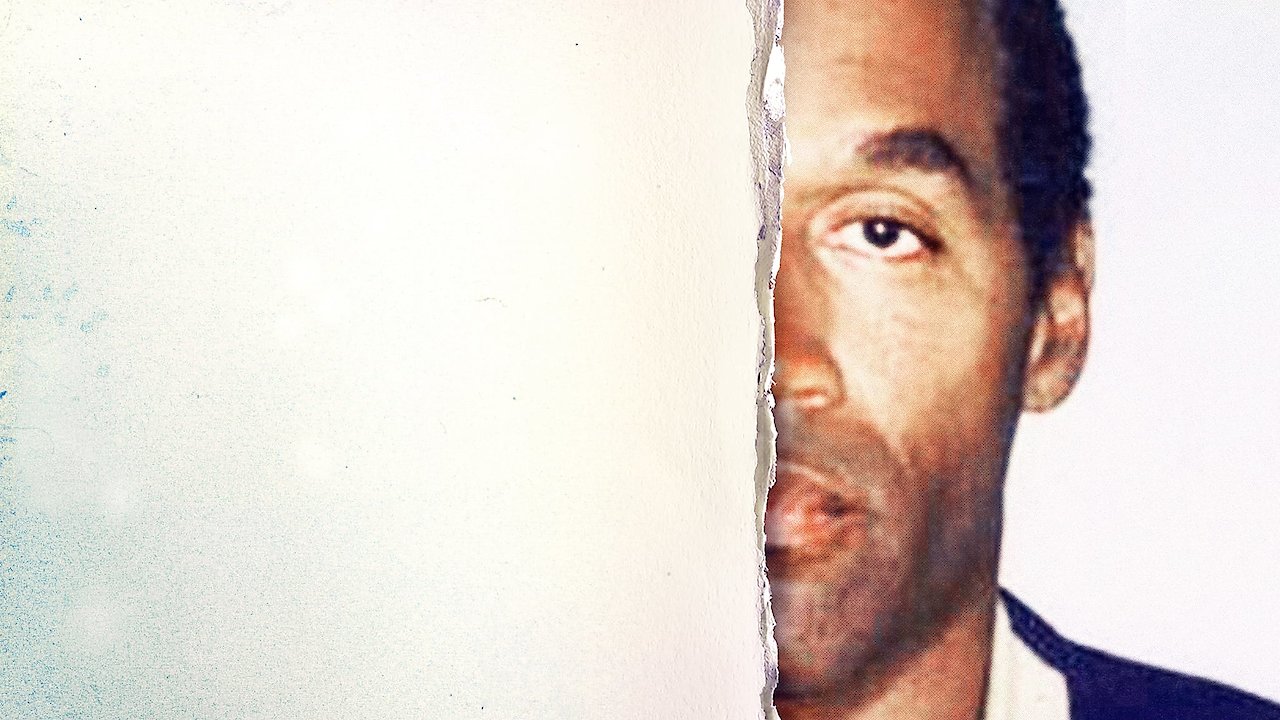
Is O.J. Innocent? The Missing Evidence Season 1 Episode 2 Follow the Blood
- TV-14
- January 15, 2017
- 42 min
-
6.0 (9)
In the gripping second episode of Is O.J. Innocent? The Missing Evidence, titled Follow the Blood, viewers are taken on an intricate journey through one of the most publicized criminal cases in American history—the trial of O.J. Simpson for the murder of Nicole Brown Simpson and Ron Goldman. This episode delves deeper into the forensic evidence that defined the trial, focusing specifically on blood evidence that both the prosecution and defense analyzed to build their respective cases.
The episode opens with a re-examination of the infamous blood samples collected from the crime scene. Experts and investigators dissect the process of how blood was gathered, stored, and examined, questioning the integrity of the chain of custody and whether any contamination could have occurred. With scientific rigor, the show explores the methodologies used by forensic experts at the time, emphasizing the importance of maintaining a pristine crime scene.
As the investigation unfolds, viewers are introduced to a myriad of perspectives from seasoned forensic analysts, legal experts, and investigators who shed light on the complexities surrounding blood evidence. They discuss the implications of the findings and the potential for errors that could seriously impact the trial’s outcome. Each blood sample tells a story, and the episode poses critical questions about the interpretation of these samples.
The narrative then pivots to the testimony provided during the original trial. Clips and commentary highlight the pivotal moments when blood evidence was presented, revealing the contentious debates that arose between the prosecution and defense. Archival footage of courtroom exchanges shows how O.J. Simpson’s defense team sought to create reasonable doubt about the blood evidence presented by the prosecution. Experts discuss the implications of the defense’s claims, particularly focusing on allegations of handling misconduct and the potential biases of the LAPD’s forensic team.
Throughout the episode, the camera shifts between various locations associated with the original investigation. Interviews with key figures who were intimately involved with the case provide personal insights and anecdotes, highlighting not only their expertise but their emotional stakes in the investigation's outcome. They reflect on their long-standing beliefs about the case, the impact of public opinion, and how they’ve reciprocated with the evidence over the years.
Another important focal point of Follow the Blood is the processing of blood found in O.J. Simpson's vehicle. The show masterfully lays out the sequence of events leading to the discovery of this vital evidence and how it complicates the narrative surrounding Simpson's involvement. Experts analyze blood type and DNA technology as it stood in the 1990s, comparing it to current advancements that lend new perspectives to old evidence.
The episode also engages with the ethical dimensions of forensic science, raising questions about the responsibilities of investigators and the impact of technology on the pursuit of justice. It emphasizes the necessity of balancing the drive for truth with the potential pitfalls of human error and institutional bias. The episode eloquently highlights the tension between science and the legal system, illustrating how each can influence the other when it comes to high-profile trials.
Amidst the intense scrutiny of the blood evidence itself, Follow the Blood offers a broader examination of race relations and media influence that surrounded the O.J. Simpson case. Commentary from sociologists and cultural critics situates the trial within the context of LA's racial dynamics during the 1990s, underscoring how public perception of the case was informed by the social climate of the time.
Toward the end of the episode, the show sets the stage for the upcoming re-evaluation of critical evidence as new forensic techniques are applied retrospectively. This pivot not only reignites the conversations surrounding Simpson’s guilt or innocence but also highlights the importance of continually reassessing legal conclusions in light of new scientific developments.
As viewers watch Follow the Blood, they are left to grapple with the complex interplay of evidence, narrative, and societal implications that swirled around the O.J. Simpson case. This episode adeptly sets a framework for an ongoing exploration of whether the full picture of evidence—both physical and contextual—can ever be truly understood, leaving audiences eager to piece together the puzzle as the season unfolds. The intricate connections revealed here invite viewers to reconsider preconceived notions, making it clear that the search for the truth in this sensational case is far from over.