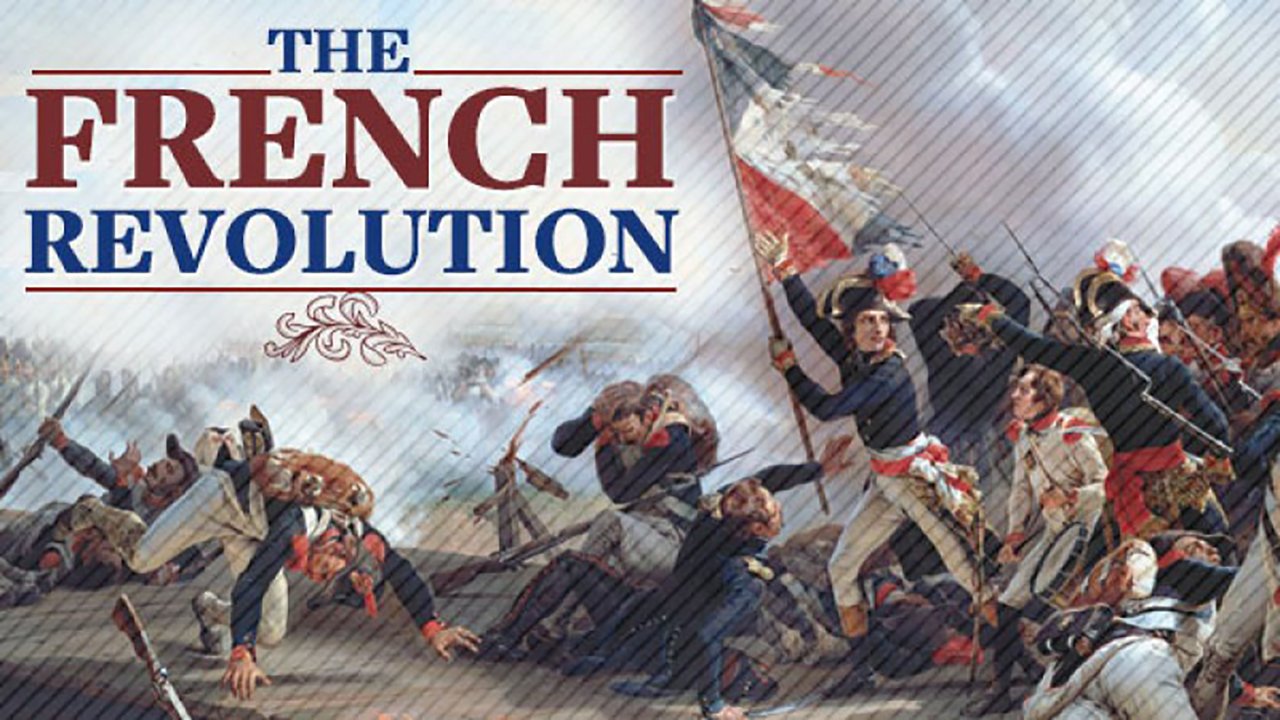
Living the French Revolution and the Age of Napoleon Season 1 Episode 3 The Enlightenment
- TV-PG
- May 31, 2013
- 32 min
Living the French Revolution and the Age of Napoleon is a historical documentary series that explores the major events and figures of the late 18th and early 19th centuries in France. Season 1 episode 3, The Enlightenment, delves into the intellectual and cultural movements that paved the way for the French Revolution.
The episode brings viewers on a journey through the philosophical and scientific ideas that challenged the traditional order of society in France. Hosted by David Bates, a professor of history at the University of Berkeley, the episode traces the origins of the Enlightenment and its impact on the intellectual landscape of France.
Bates begins with the work of key Enlightenment figures such as Voltaire, Rousseau, and Montesquieu. Through their writings, ideas such as individual liberty, democracy, and the separation of powers gained momentum among French intellectuals. Their ideas were part of a broader movement that sought to challenge the authority of the monarchy and the Catholic Church.
The episode then explores the scientific revolution of the 17th and 18th centuries, which challenged traditional views of the universe and the nature of reality. The scientific revolution produced significant discoveries in fields such as astronomy, physics, and chemistry, which challenged the prevailing religious and philosophical beliefs of the time.
The episode also examines the role of the salon culture in France, where intellectuals and artists gathered to discuss ideas and debate philosophy. These salons were important centers of intellectual activity, and many influential writers and thinkers emerged from them.
As the ideas of the Enlightenment gained traction, they began to influence the wider population of France. Bates examines the impact of Enlightenment ideas on the French peasantry and middle classes, who were inspired by the ideals of liberty, equality, and fraternity. The episode also explores how Enlightenment ideals began to be expressed in art, literature, and music, leading to a flourishing of cultural production in France.
However, the episode also highlights the limitations of Enlightenment ideas, particularly in terms of their impact on women and people of color. Despite the focus on individual liberty and natural rights, the Enlightenment was not a universal movement, and many marginalized groups continued to be excluded from its benefits.
Overall, The Enlightenment offers a fascinating look at the intellectual and cultural context of the French Revolution. By exploring the ideas and movements that paved the way for the revolution, the episode provides valuable insights into the complex and often contradictory nature of this pivotal moment in history.
