Looney Tunes Season 1948 Episode 7 A Hick a Slick and a Chick
- March 13, 1948
In the vibrant world of classic animation, "A Hick a Slick and a Chick" presents an unforgettable romp through the antics of beloved Looney Tunes characters. Released in 1948, this episode offers fans a rich tapestry of comedy, adventure, and lively character interactions that capture the essence of the era’s animation style.
The episode centers around an amusing clash of personalities as a trio of distinct characters navigate a series of misadventures. The setting is steeped in rural charm, showcasing the playful contrast between the bucolic backdrop and the frantic energy of the characters. The narrative weaves together themes of rivalry, romance, and the humorous collision of cultures, all packed into a brisk and entertaining storyline.
Our primary protagonist is a bumbling yet endearing country bumpkin, who embodies the archetype of the "hick." With his wide-eyed innocence and naïve demeanor, he stumbles through situations with an awkward charm that evokes both sympathy and laughter. Whether he’s tending to his farm or trying to win the heart of a lovely lady, his antics are both relatable and hilariously misguided. His earnestness creates a comedic tension that drives the episode forward, as his simple-minded approach to life often leads to uproarious consequences.
Counterbalancing this hick is the slick city character, a suave and confident counterpart who exudes charm and sophistication. This "slick" character is characterized by a quick wit and a penchant for clever schemes, which he attempts to use to win over the affections of the female lead. His smooth-talking and flamboyant antics provide a sharp contrast to the more grounded, earnest nature of the country boy, resulting in a delightful dynamic that fuels the comedic exchanges throughout the episode. Audiences are treated to a series of comical showdowns as the two men vie for the affections of the enchanting "chick."
The female character in the mix is a vivacious and witty damsel, whose presence elevates the stakes for both male leads. She is not merely a passive observer of their rivalry; instead, she engages with both characters in a way that showcases her own charisma and cleverness. Her role is a testament to the classic trope of the love triangle, but with a twist. Rather than being an object of desire, she actively participates in the unfolding drama, often outsmarting both suitors with her sharp tongue and quick thinking.
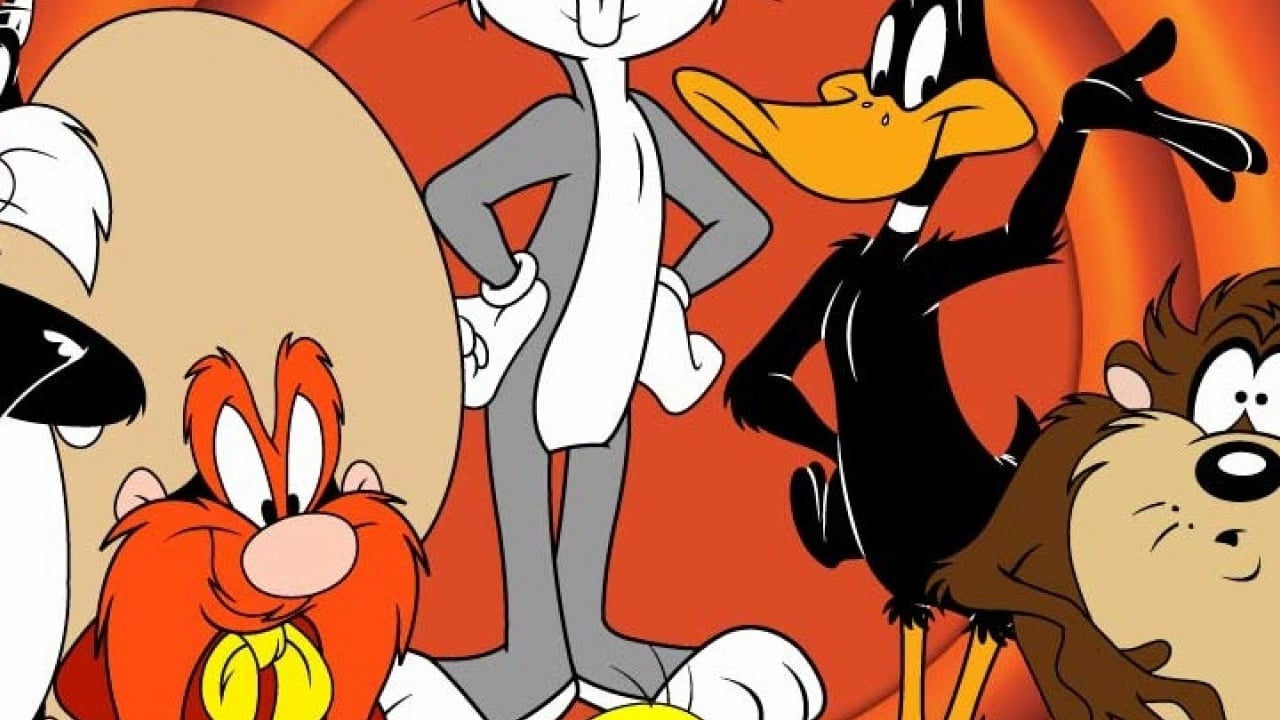
The animation style of "A Hick a Slick and a Chick" reflects the hallmark qualities of Looney Tunes, featuring vibrant colors, exaggerated movements, and expressive facial animations that draw viewers into the whimsical world of the characters. The visual gags are plentiful, with slapstick humor that has become synonymous with the franchise. Each chase scene and comedic blunder is accentuated by the meticulous timing and mastery of animation, ensuring that audiences are both entertained and enchanted by the unfolding madness.
As the narrative unfolds, viewers are treated to a plethora of humorous scenarios that highlight the cultural differences between the country hick and the city slicker. Misunderstandings abound, leading to laugh-out-loud moments as the characters find themselves in increasingly absurd situations. Whether it’s a series of mistaken identities, comical mishaps involving farm animals, or a dramatic showdown in a bustling market, there’s never a dull moment as the interactions between the trio play out.
The episode is enriched by its clever use of dialogue, packing witty one-liners and humorous banter that reflects the personalities of each character. The humor is often lighthearted, suitable for a wide audience, yet layered enough to appeal to both children and adults. The interplay between the characters serves as a clever commentary on social norms, romantic rivalry, and the classic battle between rural and urban lifestyles.
Ultimately, "A Hick a Slick and a Chick" stands as a testament to the timeless appeal of the Looney Tunes franchise. It encapsulates the charm of the late 1940s animation while showcasing the enduring themes of love, rivalry, and the quest for acceptance. With its vibrant characters, engaging plot, and uproarious humor, this episode invites viewers into a whimsical world where anything can happen—and usually does. As the credits roll, audiences are left with laughter in their hearts and smiles on their faces, a true hallmark of the Looney Tunes legacy.
