Mail Call Season 3 Episode 11 Military Pilot Training; Flak; Doolittle Raid; One-Man Submarine; Military Radios
- October 12, 2003
- 21 min
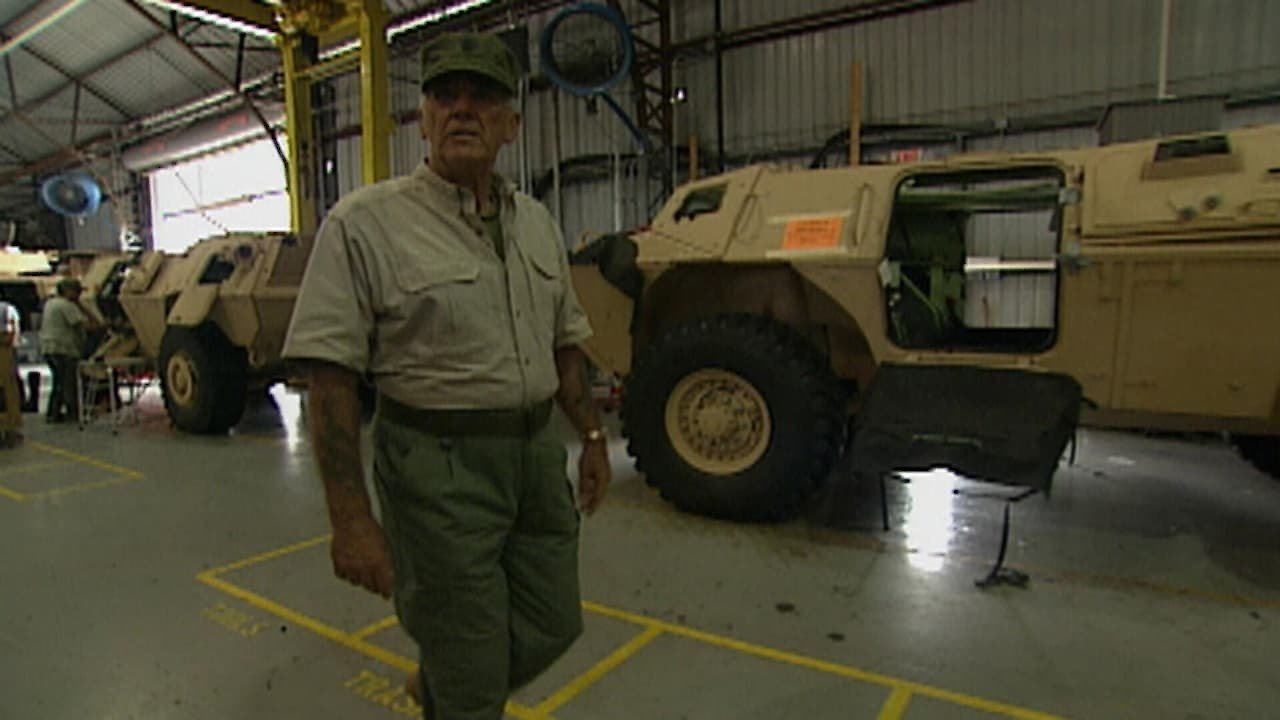
Mail Call was a military-themed television program that aired on the History Channel. The show's host, R. Lee Ermey, answered viewer questions about military history and technology. In season 3 episode 11, titled "Military Pilot Training; Flak; Doolittle Raid; One-Man Submarine; Military Radios," Ermey delved into the training and experiences of military pilots, as well as the technology and tactics used during World War II.
The first segment of the episode focused on military pilot training. Ermey visited the United States Air Force Academy in Colorado Springs, Colorado, to get a firsthand look at the rigorous training that cadets go through to become military pilots. He spoke with instructors and cadets about the physical and mental demands of the training, as well as the lessons they learn about leadership and teamwork. Ermey also explored the high-tech flight simulators used to train cadets in various scenarios before they begin actual flight training.
The next segment of the episode addressed flak, or anti-aircraft fire. Ermey demonstrated the devastating impact of flak on planes and pilots, using archived footage and simulations. He also explained the various types of flak defenses employed by pilots and aircraft, such as chaff and flares, and the importance of evasive maneuvers during air combat.
The episode then turned to the famous Doolittle Raid of April 1942, in which a group of American bombers launched a surprise attack on Tokyo, Japan, early in World War II. Ermey recounted the history of the raid and the planning that went into it, as well as the bravery and sacrifice of the pilots and crew who carried out the mission. He also highlighted the role of the Doolittle Raid in boosting American morale and demonstrating the effectiveness of air power in the war.
The fourth segment of the episode covered the use of one-man submarines, or midget submarines, during World War II. Ermey discussed the development and deployment of these small vessels, which were used in covert operations and attacks against enemy ships. He also looked at the challenges and dangers faced by the pilots who operated the submarines, and the significant impact they had on the outcome of certain naval battles.
Finally, the episode explored the evolution of military radios and communications technology. Ermey described the early days of radio technology, and how it was first implemented in military contexts. He also highlighted the key developments and advancements in radios and communications during World War II, such as the use of encryption and decoding techniques to ensure secure and strategic communication.
Overall, Mail Call season 3 episode 11 provided an in-depth and engaging look at the experiences and technology of military pilots and personnel during World War II. Through archival footage, expert interviews, and simulations, R. Lee Ermey brought to life the challenges and triumphs of the men and women who served their country during one of the most significant conflicts in history.