Mister Rogers' Neighborhood Season 11 Episode 16 Play (4)
- July 23, 1981
In season 11, episode 16 of Mister Rogers' Neighborhood, titled Play (4), Fred Rogers invites viewers back into his magical neighborhood where imagination and creativity flourish. The episode continues to emphasize the importance of play in a child’s development, reinforcing the idea that play is not just about fun, but also about learning and exploring the world around us.
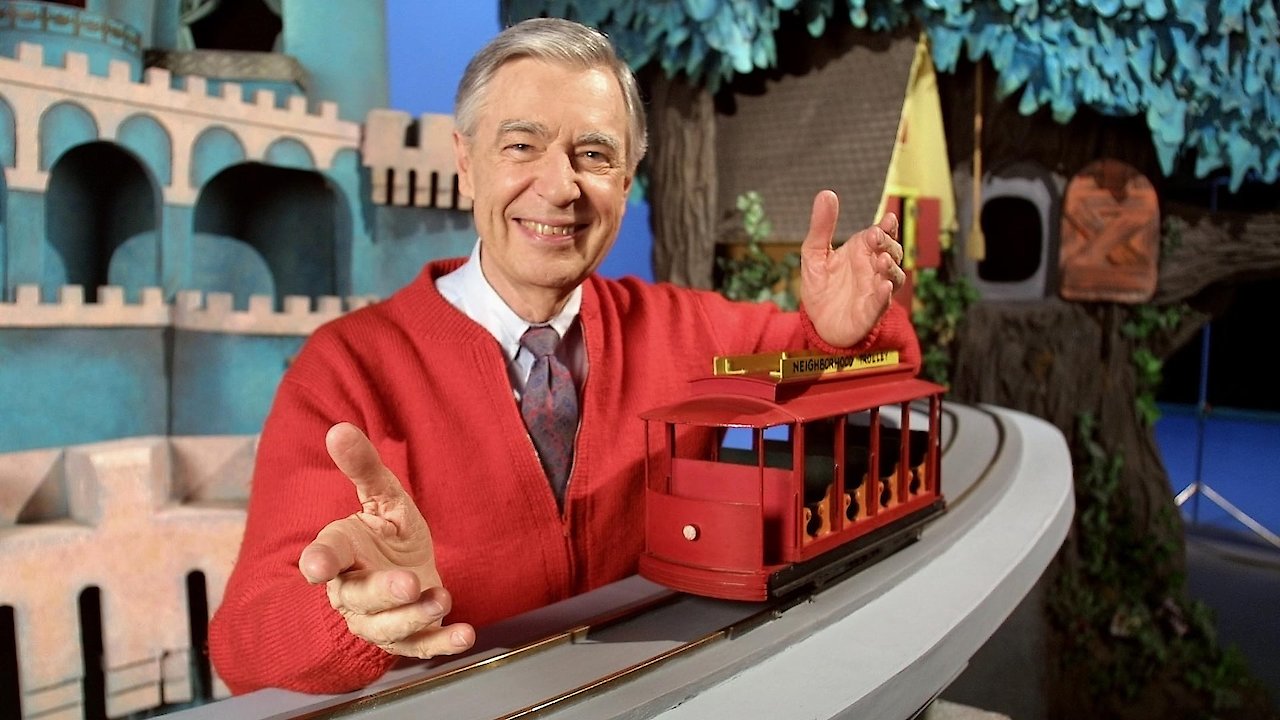
As always, Mister Rogers begins his journey by welcoming the audience with his signature smiles and gentle demeanor. Clad in his iconic cardigan, he steps into his home, where he encourages children to join him on this playful adventure. Fred shares heartwarming anecdotes about how play can be a significant way for children to express their feelings and learn crucial life skills. He explains that through play, children can process their thoughts, develop friendships, and sometimes work through difficult emotions.
Throughout the episode, various segments illustrate the diverse forms of play that can be enjoyed both indoors and outdoors. Mister Rogers introduces a range of activities, inviting children to stretch their imaginations. He highlights the importance of different materials—from paper and crayons to blocks and toy figures—that can be used in creative play. The episode encourages viewers to consider how everyday items can be transformed into tools for imaginative experiences.
In true neighborhood fashion, Mister Rogers visits various friends and neighbors who share their own playful experiences. Children of different ages and backgrounds are featured engaging in different types of play. Some might be playing games, while others are deeply immersed in storytelling, puppet shows, or art projects. Each vignette emphasizes how versatile play can be and how it can cater to individual interests and personalities.
Mister Rogers also addresses social play, encouraging viewers to consider how they interact with others while engaging in shared activities. Using thoughtful dialogue, he guides discussions on teamwork, taking turns, and problem-solving. With his empathetic approach, he reassures children that it’s perfectly normal to feel a mix of excitement and apprehension when trying new games or playing with others. The episode subtly emphasizes the role of play in building social skills and nurturing friendships.
As part of the exploration of play, the episode features segments that encourage physical activity. Mister Rogers discusses how movement is a vital aspect of play that helps children channel their energies productively. Whether it’s dancing, hopping, or running, he inspires kids to find joy in being active. He demonstrates simple movements that can be easily imitated at home, reinforcing the idea that exercise can be a fun part of any play routine.
One of the standout moments of the episode is the recurring theme of imagination. Mister Rogers opens up a world where children can be anything they dream to be, whether it's an astronaut, an artist, or a superhero. Through engaging storytelling and relatable examples, he illustrates how imagination can transform the ordinary into extraordinary adventures. This segment empowers children to use their creativity to construct their own narratives, infusing their playtime with a sense of wonder.
Adding to the richness of the episode is a gentle reminder about emotional expression. Mister Rogers takes the time to explain how play can serve as an outlet for feelings. He encourages viewers to talk about their emotions, whether they be happy, sad, or confusing. This segment reinforces the message that it’s okay to share feelings with friends during play and to be supportive of each other.
The episode concludes with Mister Rogers’ heartfelt reflections on the day’s explorations. He invites viewers to reflect on their own play experiences, asking them to think about what they enjoy doing the most and who they like to play with. As he gently sings his iconic closing song, he reassures children that they are valued and loved just as they are, a central theme that resonates throughout every episode of Mister Rogers' Neighborhood.
Overall, Play (4) serves as an uplifting tribute to the joys of play. It encapsulates Mister Rogers' philosophy of childhood development through imaginative engagement, social interaction, and emotional growth. In this episode, children are not only entertained but also equipped with essential life lessons that will stay with them long after the credits roll.
