Mister Rogers' Neighborhood Season 13 Episode 7 Games (2)
- February 8, 1983
-
(11)
In season 13, episode 7 of Mister Rogers' Neighborhood, titled Games (2), Fred Rogers invites young viewers into his comforting world once again, continuing his exploration of the concept of games and their significance in childhood development. This episode dives deeper into the world of play, emphasizing the value of imagination, cooperation, and the social skills that children acquire through various forms of gaming.
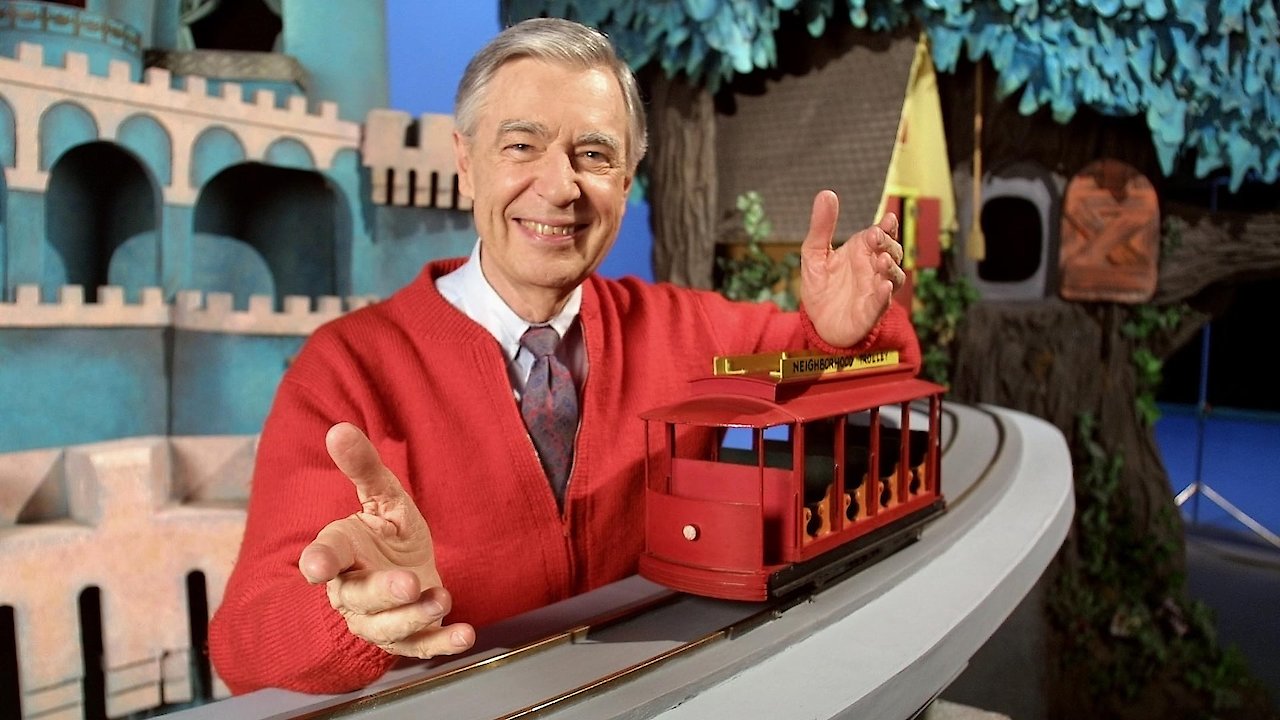
As the episode begins, Mister Rogers warmly welcomes his audience from his familiar living room setting. He engages in friendly conversation, establishing an inviting atmosphere that encourages children to join him on an entertaining journey through the wonderful world of games. With his trademark gentle demeanor, Mister Rogers sets the stage for understanding how games can be more than just fun—they can also be valuable tools for learning important life lessons.
Throughout the episode, Mister Rogers introduces different types of games, showcasing the diversity of play experiences available to children. He might explore various traditional games played indoors and outdoors, highlighting how these activities differ in their nature yet share a common purpose: fostering relationships and encouraging fun. This thoughtful lesson encourages children to be mindful of how games can bring people together, teaching them lessons about teamwork and communication.
The iconic Neighborhood of Make-Believe also comes alive in this episode, where Rogers transports viewers to familiar puppet characters who engage in playful scenarios. Characters like Daniel Tiger, Lady Aberlin, and X the Owl may participate in imaginative games that mirror the themes discussed earlier. As the puppets engage in their own playful antics, they illustrate through their interactions how games can be an avenue for creativity and a medium for expressing feelings and building friendships.
The show doesn't shy away from addressing the complexities of competition either. Mister Rogers discusses the balance between enjoying games while respecting others' feelings. Through friendly illustrations, he emphasizes that while winning can feel great, the importance of enjoying the game and supporting one another is of utmost significance. This playful yet poignant message helps young viewers navigate both the joys and responsibilities that come with playing games alongside friends.
Mister Rogers also shares stories from real children, giving them the floor to express their thoughts and experiences with games. By highlighting voices from his young audience, the episode promotes an inclusive atmosphere where children can see themselves reflected in the lessons being taught. These relatable narratives reinforce the notion that everyone can find joy in play, no matter the game or activity.
Another captivating aspect of the episode may involve Mister Rogers demonstrating a simple game, leading to an exploration of both its mechanics and the essential elements of gameplay. Viewers might witness him unravel various strategies or ways to improve upon a game, encouraging kids to think critically and be creative in how they approach playtime. This interactive segment not only keeps young viewers engaged but also inspires them to be innovative when composing their own games.
As usual, the soothing lull of Mister Rogers' voice, combined with soft music interludes, enhances the overall experience of the episode. Parents and caregivers are encouraged to watch alongside their children, discussing the ideas presented and fostering meaningful conversations on the importance of play in everyday life. Each segment flows seamlessly into the next, keeping the audience's attention while maintaining the show's signature relaxed pace.
Furthermore, the interactions laden with gentle humor, curiosity, and compassion serve as a reminder that Mister Rogers' Neighborhood is not merely a television show, but a nurturing space designed to validate children's feelings and experiences. The atmosphere encourages a cultural appreciation for play, teaching the young audience about respect, kindness, and the wonderful bond formed through the shared joy of games.
Ultimately, Games (2) serves as a beautiful exploration of the role of play in child development. By the end of the episode, young viewers are likely to come away with a greater understanding of why games matter—not just for entertainment but for building connections with peers and learning to embrace both victory and loss with grace. It's an episode that invites children to recognize the myriad of emotions games can incite while fostering an enduring love for play, imagination, and camaraderie that resonates beyond the confines of the screen.
Fred Rogers once again proves that through love and understanding, children can learn invaluable life lessons, ensuring that Mister Rogers' Neighborhood remains a cherished space for nurturing curious minds and compassionate hearts.