Mister Rogers' Neighborhood Season 14 Episode 4 Conflict (4)
- November 10, 1983
-
(8)
In Season 14, Episode 4 of Mister Rogers' Neighborhood, titled Conflict, the themes of understanding, empathy, and conflict resolution take center stage. As with many episodes of Mister Rogers’ Neighborhood, this installment gently introduces young viewers to complex emotions and interpersonal dynamics through relatable scenarios and heartwarming storytelling.
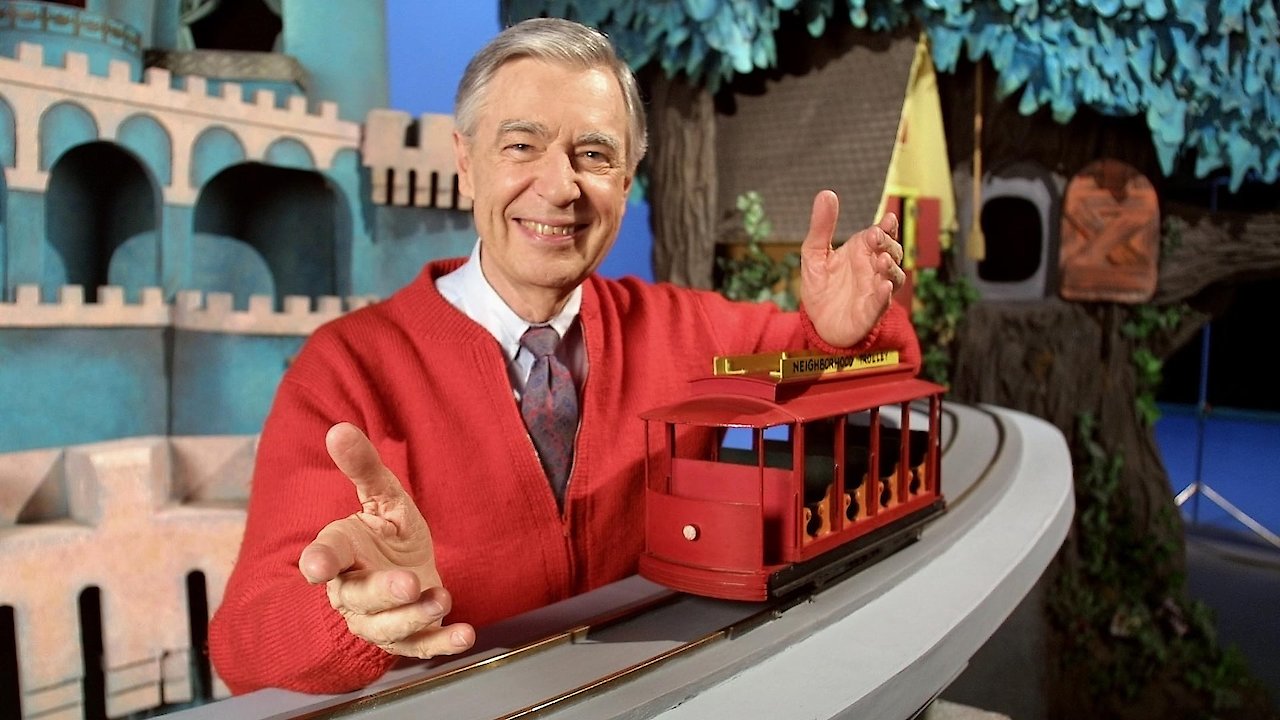
The episode begins in the familiar setting of the Neighborhood of Make-Believe, where Fred Rogers opens the show with his signature warmth. He invites everyone into his home, setting a tone of comfort and safety that is crucial when discussing topics such as conflict. Fred connects with children right from the start, encouraging them to think about times they may have experienced disagreements or misunderstandings with friends or family. His thoughtful approach helps normalize these feelings, fostering a sense of belonging.
As the episode progresses, Mister Rogers employs thoughtful storytelling to illustrate how conflicts can arise naturally in relationships. Through imaginative skits and visits to the Neighborhood of Make-Believe, viewers witness various characters encounter conflict. These storylines are crafted with sensitivity, mirroring real-life scenarios children may face, such as arguments over toys, misunderstandings about intentions, or feelings of exclusion.
In one particularly poignant segment, Fred introduces viewers to some of the puppet characters from the Neighborhood of Make-Believe, including King Friday XIII, Queen Sara Saturday, and various other friends. Each character embodies different responses to conflict, ranging from stubbornness to openness. Through their interactions, children learn about the importance of communication, active listening, and the value of seeing things from another person's perspective. The dialogue is simple yet profound, reflecting the essence of Mister Rogers' teaching style, which emphasizes kindness and respect.
Mister Rogers also discusses the emotional implications of conflict. He encourages children to explore their feelings and recognize that yelling or becoming upset often stems from deeper emotions like fear, sadness, or frustration. Fred shares his own experiences, illustrating that even adults encounter conflicts and that learning how to handle them constructively is a lifelong process. He reassures children that it's perfectly normal to feel conflicted and that it's possible to find common ground or a resolution.
The episode includes a series of interactive moments, inviting young viewers to think about their responses to conflict. Through questions and gentle prompts, Mister Rogers fosters self-reflection, urging children to consider how they feel during a disagreement and what steps they could take to resolve it. This interactive component encourages children to engage in problem-solving and think critically about their social interactions, strengthening their emotional intelligence.
In the Neighborhood of Make-Believe, we see how characters work together to overcome their differences. In one scene, they might engage in an activity that requires cooperation, helping to demonstrate that teamwork can often lead to compromise and understanding. The subplot serves as a reminder that conflict does not have to be negative; it can be an opportunity for growth and connection, thereby reassuring young viewers that navigating disagreements is a part of healthy relationships.
Throughout the episode, beautiful puppetry and creative visual storytelling enrich the narrative, capturing children's attention and imagination. The vibrant set and the charming characters contribute to making serious topics accessible and engaging. The soothing musical interludes provide a comforting backdrop, inviting children to reflect on the themes discussed without feeling overwhelmed.
As the episode draws to a close, Mister Rogers emphasizes the importance of kindness and respect in all relationships. He offers practical advice, reminding children that expressing their feelings, using "I" statements, and considering the other person's viewpoint can help them navigate through conflicts positively. His gentle encouragement leaves viewers with a sense of hope, equipping them with tools they can apply in their daily lives.
Conflict portrays interactions with a sense of care that is signature to Mister Rogers' approach, reminding us of the power of empathy. By illustrating that we all encounter conflicts but have the ability to handle them with grace, the episode leaves a lasting impression on its audience. Children are encouraged to embrace their emotions, communicate openly, and always strive for understanding in their relationships.
Overall, Season 14, Episode 4, delivers an important message about conflict resolution wrapped in the nurturing and nurturing atmosphere that has made Mister Rogers' Neighborhood timeless. Through engaging stories, relatable characters, and Fred Rogers’ insightful guidance, viewers leave feeling valued, understood, and equipped to navigate their own experiences with conflict.