Mister Rogers' Neighborhood Season 18 Episode 3 Alike and Different (3)
- November 25, 1987
-
7.7 (11)
Mister Rogers' Neighborhood continues to foster a sense of understanding and appreciation for diversity in season 18, with the enlightening and engaging episode titled Alike and Different (3). In this episode, Mister Rogers invites viewers to explore the rich tapestry of human experiences that highlight both the similarities and differences among individuals in a way that is accessible and comforting to young audiences.
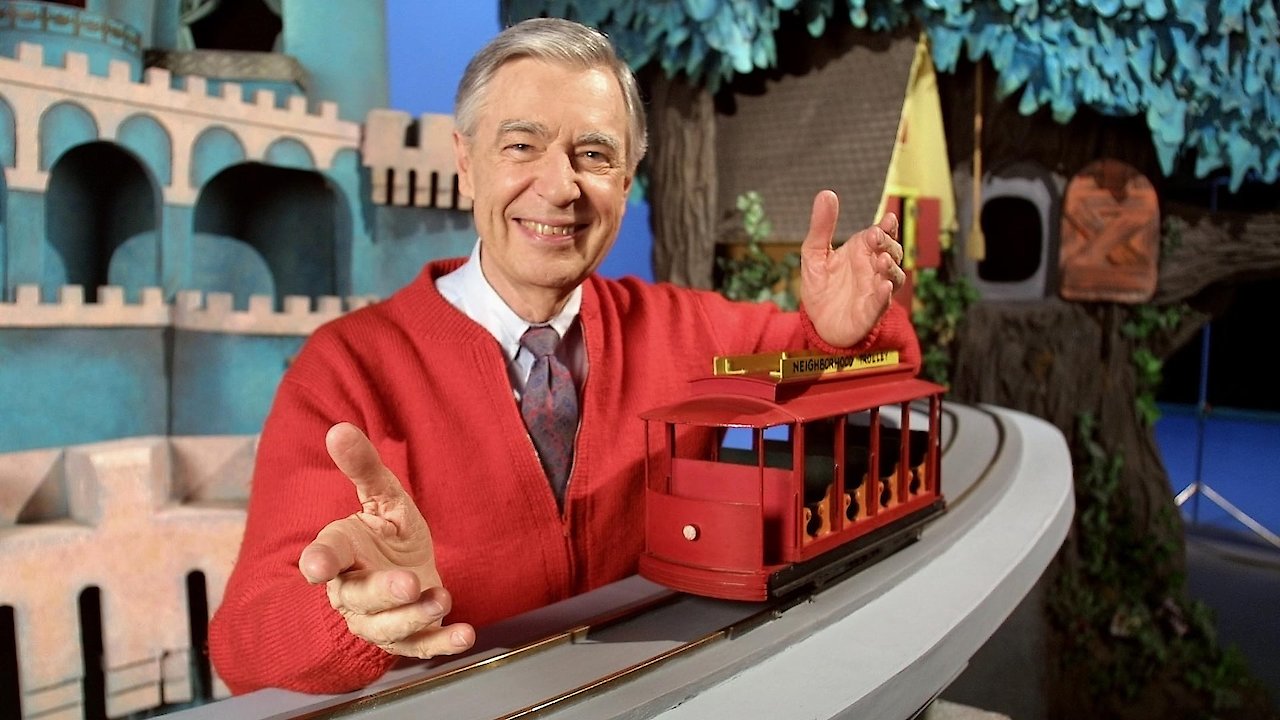
As the episode begins, Mister Rogers steps into the familiar, warm setting of the Neighborhood, wearing his signature cardigan and sneakers, embodying the welcoming spirit that has made him a beloved figure for generations. He greets his young viewers with his usual charm and sincerity, emphasizing the importance of feeling valued just as we are. Through his gentle demeanor, Mister Rogers sets the stage for a thoughtful exploration of identity and interpersonal connections.
The theme of this episode revolves around the concept of being alike and different, which is crucial for children as they learn to navigate the complexities of friendships and social interactions. Mister Rogers engages in conversations that encourage children to embrace both their similarities with others and their unique traits. Through storytelling, he illustrates how understanding and respect can bridge gaps between people, allowing children to see the beauty in diversity.
Throughout the episode, viewers are treated to a series of delightful segments and interactions. Mister Rogers visits various friends in the Neighborhood, where he discovers unique talents, interests, and backgrounds. Each visit is peppered with warmth and humor, as he gently encourages the guests to share who they are and what makes them special. These interviews create a vibrant mosaic of personalities, showcasing how even though everyone might have different appearances or hobbies, there are universal emotions and experiences that unite them.
One memorable segment features a visit to a local community center, where kids of varying backgrounds come together to participate in different activities. Mister Rogers observes and comments on how the children may play differently or express themselves in unique ways, yet they all share a common space filled with laughter, joy, and curiosity. This setting serves as a powerful illustration of inclusivity, where differences are celebrated rather than feared.
The episode also delves into creative outlets as a means of expression. Mister Rogers introduces artistic activities that invite viewers to engage with their creativity. He encourages children to explore art as not just a way to express individual differences, but also as a mutual language that connects people. By showcasing different forms of art—such as painting, music, and movement—he reinforces the idea that while each person has their own style, the act of creating can bring people together, allowing for mutual appreciation and shared experiences.
In addition to arts and crafts, Mister Rogers takes a moment to address themes of empathy and understanding. He shares thoughtful anecdotes that guide children in recognizing their feelings and the feelings of others, helping them to foster emotional intelligence. Through his signature storytelling, he conveys deep messages about compassion and kindness, reiterating that while we may differ, the capacity to care for one another is a common thread that connects all human beings.
Mister Rogers also emphasizes dialogue, showing that talking about differences and similarities can strengthen relationships. Throughout the episode, he invites children to think about the kinds of questions they can ask to learn more about their peers. His gentle approach to discussing topics like diversity and acceptance equips young viewers with the tools they need to engage in respectful conversations, promoting a sense of community and belonging.
As always, the pacing of the episode is steady and nurturing, allowing viewers to digest the important lessons being presented without feeling rushed or overwhelmed. Mister Rogers’ ability to speak directly to children, using a comforting tone and reassuring body language, offers a safe space for reflection on their own experiences and feelings regarding similarities and differences.
In conclusion, Alike and Different (3) serves as an insightful installment in the long-running series Mister Rogers' Neighborhood. It beautifully highlights the importance of recognizing and valuing both our shared humanity and our unique traits. With its engaging segments, thoughtful discussions, and emphasis on empathy, this episode encapsulates the essence of Mister Rogers' message: that every individual is worthy of respect and love, regardless of their differences. By fostering an environment of understanding and acceptance, Mister Rogers inspires a generation of children to appreciate the diverse world around them, laying the groundwork for a kinder, more inclusive future.