Mister Rogers' Neighborhood Season 20 Episode 6 Environment (1)
- April 16, 1990
-
7.7 (11)
In the 20th season of the beloved children's television series Mister Rogers' Neighborhood, episode 6 titled "Environment (1)" delves into the fascinating world of the environment and how it affects our lives. This engaging and educational episode takes young viewers on a captivating journey, exploring various aspects of the environment and emphasizing the importance of caring for our planet.
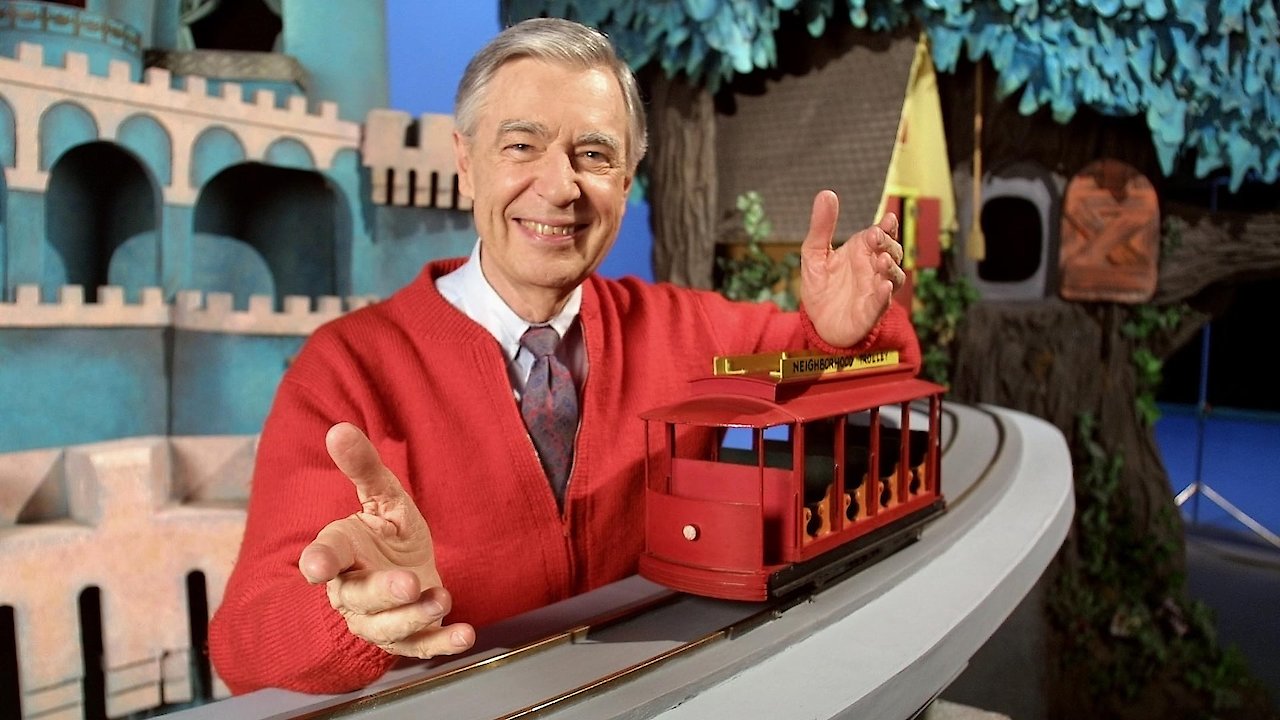
Mister Rogers, the kind-hearted host of the show, welcomes his audience with his signature warm smile and inviting demeanor. As always, he starts off the episode by donning his iconic red cardigan and changing his shoes while singing the familiar tune of "Won't You Be My Neighbor?"
To kick off the exploration of the environment, Mister Rogers introduces a special guest, Dr. Bill Hildenbrand, an environmental expert and educator. Dr. Hildenbrand joins Mister Rogers in the Neighborhood of Make-Believe to provide valuable information about the environment and why it is crucial for everyone to take care of it.
Together, Mister Rogers and Dr. Hildenbrand embark on a journey of discovery, exploring different aspects of the environment. They discuss the natural world around us, including plants, animals, and the delicate balance of ecosystems. Through engaging conversations and informative demonstrations, they explain how even the smallest actions can have a significant impact on the environment.
Throughout the episode, Mister Rogers also introduces his young viewers to various eco-friendly initiatives and practices. He emphasizes the importance of recycling, reducing waste, and conserving energy. Mister Rogers demonstrates simple yet effective ways to be environmentally conscious, such as reusing household items and turning off lights when they're not needed. Through these practical demonstrations, he aims to empower children with the knowledge and tools needed to make a positive difference for the environment.
As the episode progresses, Mister Rogers takes his viewers on a virtual journey to different locations that highlight the beauty and diversity of the environment. He visits lush forests, serene rivers, and breathtaking mountains, providing children with a visual spectacle of the wonders our planet has to offer. Along the way, he encourages his young viewers to appreciate nature, fostering an understanding of the need to protect and preserve these precious natural resources.
To further engage the audience, Mister Rogers introduces a variety of interactive segments. In one such segment, he invites children to try their hand at an exciting art project inspired by the environment. Through creative expression, he encourages children to connect with nature and find inspiration in the world around them. These hands-on activities not only promote artistic development but also instill a sense of appreciation and responsibility towards the environment.
Moreover, Mister Rogers encourages his viewers to share their own experiences and knowledge about the environment. He emphasizes the importance of open dialogue and learning from one another. Through calls from children, letters, and drawings sent by viewers, Mister Rogers showcases the diverse perspectives and ideas of his young audience, fostering a sense of community and collaboration.
As the episode draws to a close, Mister Rogers reminds his viewers of the significance of their role in taking care of the environment. He encourages children to make conscious choices and actively participate in making the world a better place for future generations.
Season 20, episode 6 of Mister Rogers' Neighborhood, "Environment (1)," provides an enlightening and inspiring exploration of the environment. Through engaging discussions, captivating visuals, and interactive activities, Mister Rogers empowers his young audience to develop a deep appreciation for the natural world and take responsible actions to protect it. This educational journey instills a sense of environmental consciousness that will undoubtedly leave a lasting impact on children, promoting a brighter and more sustainable future for all.