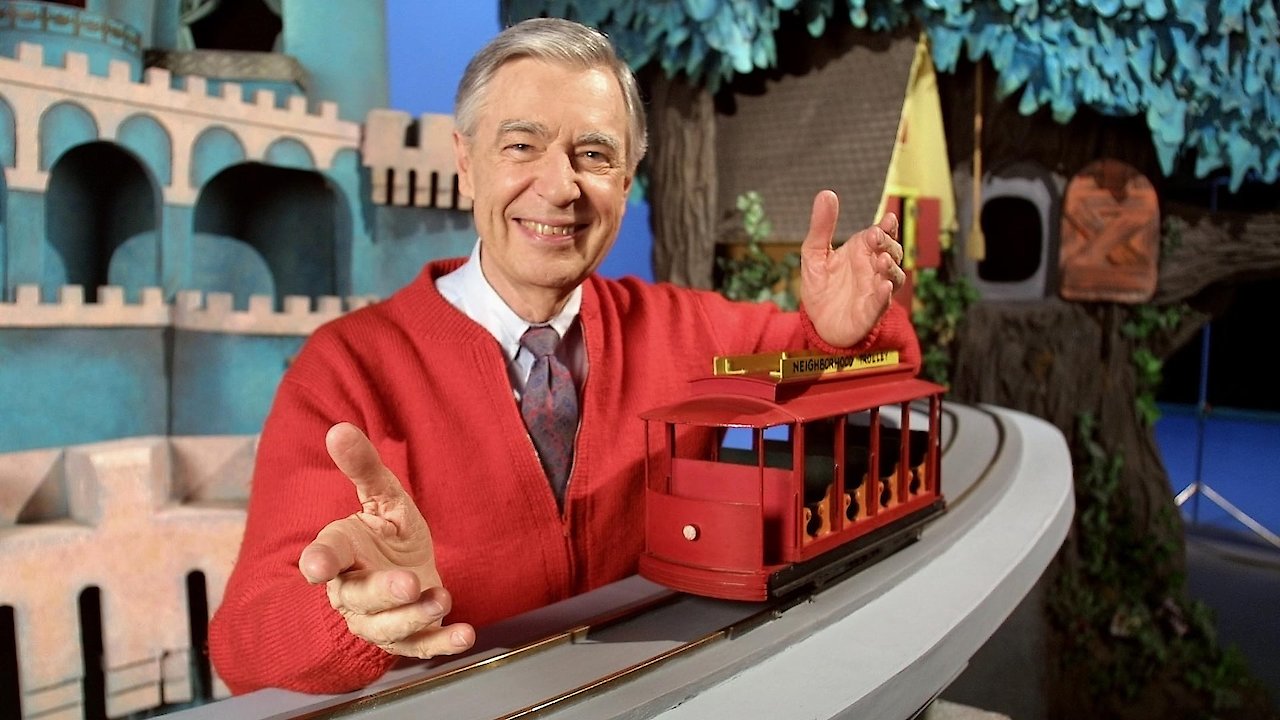
Mister Rogers' Neighborhood Season 22 Episode 10 Imaginary Friends (5)
- February 28, 1992
-
7.7 (14)
In the heartwarming episode titled Imaginary Friends (5) from season 22 of Mister Rogers' Neighborhood, Fred Rogers invites young viewers into his welcoming neighborhood, where imagination takes center stage. This episode delves into the marvelous world of imaginary friends—a concept that resonates with children everywhere. As Mister Rogers takes a gentle approach to the subject, he encourages children to explore their feelings, creativity, and the importance of friendships, both real and imagined.
The episode opens with Fred's familiar, soothing voice, greeting us as he enters his iconic living room. As he settles in, he shares his thoughts about the nature of friendship and the special bonds children form with their imaginary companions. Throughout the episode, the theme of imagination shines brightly, as Mister Rogers explains how and why children create these fictional friendships. He emphasizes that believing in imaginary friends is not just a passing phase, but a healthy expression of creativity and emotional development.
As he moves through various segments, Fred invites children to contemplate their own experiences with imaginary friends. With warmth and understanding, he poses thought-provoking questions, encouraging kids to reflect on who their imaginary friends are, what adventures they've shared, and how these friends make them feel. The dialogue fosters a safe space for children to express their thoughts and feelings about these creative figures in their lives.
Transitioning to the Neighborhood of Make-Believe, viewers find themselves in a charming world inhabited by beloved characters like King Friday XIII, Queen Sara Saturday, Daniel Striped Tiger, and many more. Here, the concept of imaginary friends is explored in a playful context. The interactions among the characters provide a vivid representation of how imagination helps shape friendships. Fred's puppet friends often engage in creative role-playing scenarios that highlight the fun and excitement of using one’s imagination to create and nurture relationships.
In this segment, viewers also witness how characters display various emotions that arise from friendship, such as joy, loneliness, and surprise. These lively interactions resonate with children's experiences, allowing them to identify with the characters' feelings, thus reinforcing the idea that it's normal to feel a wide range of emotions while interacting with friends, whether real or imaginary.
Interwoven through the episode are charming animations and social vignettes that illustrate the richness of imaginative play. Through these segues, children learn how to navigate the ups and downs of friendship, including conflict resolution and the importance of communication. Together with Mister Rogers, they uncover ways to honor one's feelings, fostering both self-awareness and empathy.
One of the poignant moments in the episode involves Fred sharing stories about different children's experiences with their imaginary friends. He highlights how these companions can serve as a source of comfort during tough times, particularly in moments of fear or uncertainty. This gentle exploration of emotional support as expressed through imagination uniquely resonates with children and their caregivers alike.
As the episode progresses, Fred integrates music and songs that celebrate friendship and imagination. His sing-alongs encourage participation, allowing children to feel connected to the themes of the episode. Every lyric and tune reinforces the idea that friendship—whether with real people or imaginary friends—is a joyful and important part of growing up.
Mister Rogers also takes viewers into the world behind the scenes, introducing special segments that showcase how some of the puppets and characters are created. It's a behind-the-scenes glimpse that sparks curiosity about art and creativity, inspiring children to use their own skills and imaginations at home.
As the episode draws to a close, Fred Rogers circles back to the overarching message: that each child's imaginary friends are valid and significant. He reassures viewers that these playful manifestations of friendship can accompany them through their emotional journeys, often serving as an essential part of childhood development and personal expression. He leaves children with the affirmation that it's perfectly normal to have imaginary friends that provide comfort, adventure, and a safe outlet for exploring feelings.
Imaginary Friends (5) is a beautiful blend of storytelling, creativity, and education, encouraging a sense of wonder as it engages with the all-important themes of friendship, imagination, and emotional understanding. As always, Mister Rogers has a way of making complex topics accessible and relatable to children, fostering a sense of belonging and reassurance that resonates long after the episode concludes.
