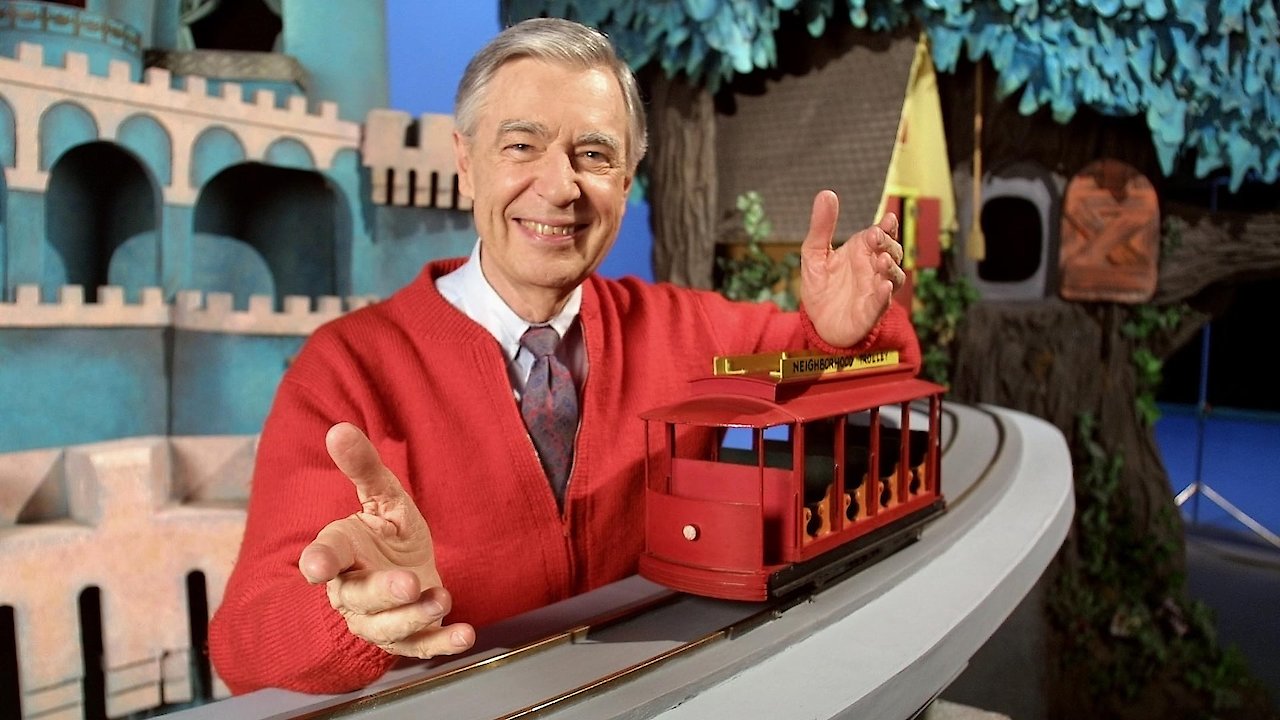
Mister Rogers' Neighborhood Season 29 Episode 6 Go-Stop-Go (1)
- July 26, 1999
-
(9)
In the heartwarming and beloved world of Mister Rogers' Neighborhood, season 29 episode 6 titled Go-Stop-Go continues to explore fundamental themes of childhood understanding and emotional growth. In this delightful episode, Mister Rogers invites young viewers to engage with the concepts of movement and decision-making, highlighting the importance of learning how to take turns and the rhythm of action.
As the episode opens, Mister Rogers greets the audience with his signature warmth, inviting everyone to join him as he changes into his familiar sweater and sneakers, establishing a welcoming and safe space for children to explore new ideas. With his gentle demeanor, he encourages kids to think about the ways in which they move, and he introduces the core ideas of "go," "stop," and "slow down." This foundational set of actions is conveyed in a manner that resonates with young minds, providing practical lessons that can be applied to daily life.
Through delightful examples and interactive demonstrations, Mister Rogers uses simple games and activities to illustrate the concept of following instructions. He emphasizes how taking turns and understanding cues can lead to more enjoyable play. By engaging the children in understanding when to go, stop, and slow down, he skillfully weaves in the importance of self-regulation—an essential aspect of childhood development.
The episode also features segments that take place within the Neighborhood of Make-Believe, where characters we know and love face situations requiring them to navigate the flow of activity. The storylines reflect real-life scenarios children encounter, offering relatable contexts for the lessons being taught. Viewers can expect to see the familiar faces of Daniel Striped Tiger, Lady Aberlin, and others as they interact and demonstrate the impact of respecting others’ turns and timing.
As the storyline unfolds, viewers are prompted to think about the feelings that arise during different movements. Mister Rogers encourages children to express their emotions associated with excitement, impatience, or waiting, fostering emotional intelligence. He gently reminds them that not every situation requires immediate action, fostering patience and thoughtfulness—a message that resonates deeply with viewers of all ages.
Interspersed throughout the episode are musical moments, with catchy songs that reflect the themes of movement and action. Mister Rogers’ soothing voice invites children to sing along, reinforcing the lessons in a playful and memorable way. The rhythm and melody enhance understanding of the concepts presented, making learning a joyous experience. Music acts as a bridge that helps children internalize these important lessons while also bringing them enjoyment.
Going beyond the simple physical actions of "go" and "stop," Mister Rogers also encourages viewers to think about the choices behind their actions. Each decision, he suggests, can lead to different outcomes, and understanding the consequences of these choices is an essential skill for every child. The underlying message promotes critical thinking and personal responsibility, instilling values that will serve children throughout their lives.
Additionally, the episode invites children to think about how they communicate with their peers during these activities. Mister Rogers discusses the words and signals we use, guiding children to practice clear communication and mutual understanding with one another. This segment not only strengthens their social skills but lays the groundwork for respectful interactions and compassionate relationships.
As the episode comes to a close, viewers return to the familiar setting of Mister Rogers’ home, where he reflects on the day's lessons in his gentle and reassuring manner. He reminds children that it’s okay to learn at their own pace and encourages them to keep exploring the world around them. With wise words and his trademark sincerity, Mister Rogers fosters an environment where curiosity and confidence can flourish, reassuring children that they can take their time to grow and understand.
In Go-Stop-Go, Mister Rogers creates a rich tapestry of movement, emotion, and thoughtfulness. By gently guiding his audience through essential social concepts, he empowers children to navigate their world with empathy, patience, and the understanding that both action and inaction hold meaningful significance. As always, the warmth and sincerity of Mister Rogers’ presentation make this episode a perfect blend of education and entertainment, ensuring that children—and the adults who watch with them—come away with valuable life lessons.
