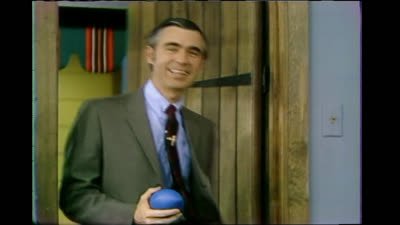
Mister Rogers' Neighborhood Season 7 Episode 13 The Missing Clock (3)
- March 6, 1974
In season 7, episode 13 of Mister Rogers' Neighborhood, titled The Missing Clock (3), the beloved host Fred Rogers invites children into his warm and welcoming world to explore themes of loss, anxiety, and the importance of patience. Set against the familiar backdrop of the Neighborhood of Make-Believe, this episode delves into the gentle yet vital lesson of understanding and coping with feelings when something cherished is lost.
The episode begins in the iconic Mister Rogers' Neighborhood, where Fred addresses the audience with his characteristic kindness. As always, he changes into his iconic cardigan and sneakers, instantly creating an atmosphere of comfort and familiarity. In this particular episode, Rogers focuses on the idea of being patient while waiting for something that has gone missing. This theme resonates deeply with young viewers, who may find themselves grappling with similar situations in their own lives.
Throughout the episode, Mister Rogers encourages children to express their feelings regarding loss and the discomfort that can arise when something they value isn’t present. Using gentle language, he talks about the importance of recognizing these feelings, which helps set the tone for the more complex discussions that will unfold in the Neighborhood of Make-Believe.
As the episode progresses, the action transitions to the Neighborhood of Make-Believe, where King Friday XIII is facing a challenge of his own. The kingdom is in a state of disarray as the royal clock is nowhere to be found. The clock, a symbol of time and routine, often serves as a grounding presence in the kingdom, its absence creating a palpable sense of tension among the residents. Children are shown how the absence of the clock affects each character differently, highlighting the range of emotions experienced when something essential is missing.
Daniel Striped Tiger, a beloved character from the show, plays a pivotal role in this episode. He embodies the feelings of confusion and uncertainty that arise in the face of the unknown. Through Daniel’s thoughtful reflections, young viewers see the journey of trying to establish meaning amid adversity. Mister Rogers has often pointed out that characters like Daniel help children learn and articulate their feelings, essentially modeling emotional intelligence and resilience.
Meanwhile, other characters in the Neighborhood of Make-Believe, such as Lady Aberlin and the wise owl, provide insight into coping mechanisms. Their attempts to communicate and work together in seeking the missing clock serve as an excellent illustration of teamwork and community. The narrative emphasizes that while searching for the clock is important, it is equally valuable to support one another and validate feelings along the way. This lesson is skillfully woven into the story, showcasing the themes of cooperation and compassion.
To foster a sense of calm, Mister Rogers takes time out during the episode to revisit the topic of patience. He reminds the audience about the importance of waiting, using simple yet effective storytelling techniques that resonate with children. By discussing his own experiences of waiting for things that matter to him, he normalizes these feelings, creating an environment where viewers can feel understood and safe.
Mister Rogers also includes moments of gentle music and song, adding a layer of emotional depth to the episode. Music is a recurring motif in the series, and its inclusion here serves to soothe anxious feelings, reinforcing the message that waiting and the process of seeking can be both a journey and a shared experience.
As the episode unfolds, the search for the missing clock brings forth opportunities for the characters to reflect on what they value in their lives. While the clock symbolizes time, it also represents the connections and moments shared within the community. The characters eventually come together to share their thoughts, revealing that what truly matters isn't just about finding the clock but about fostering relationships and understanding one another during challenging times.
The Missing Clock (3) remains a poignant exploration of emotional intelligence, patience, and the value of community. By the end of the episode, viewers are left not only with lessons about facing loss and uncertainty but also with an understanding that it’s perfectly normal—and even healthy—to experience a range of emotions in the process. Mister Rogers' gentle guidance encourages children to embrace their feelings and reminds them that, even when something is missing, they are never alone in their experiences.
In true Mister Rogers’ fashion, this episode closes with a warm farewell, leaving children with a sense of hope and comfort, reinforcing that learning and growing are lifelong processes intertwined with understanding themselves and each other. It’s a masterclass in emotional growth subtly delivered through the charm of Mister Rogers and his beloved neighborhood.