Mister Rogers' Neighborhood Season 8 Episode 18 Wishing and Pretending (3)
- March 12, 1975
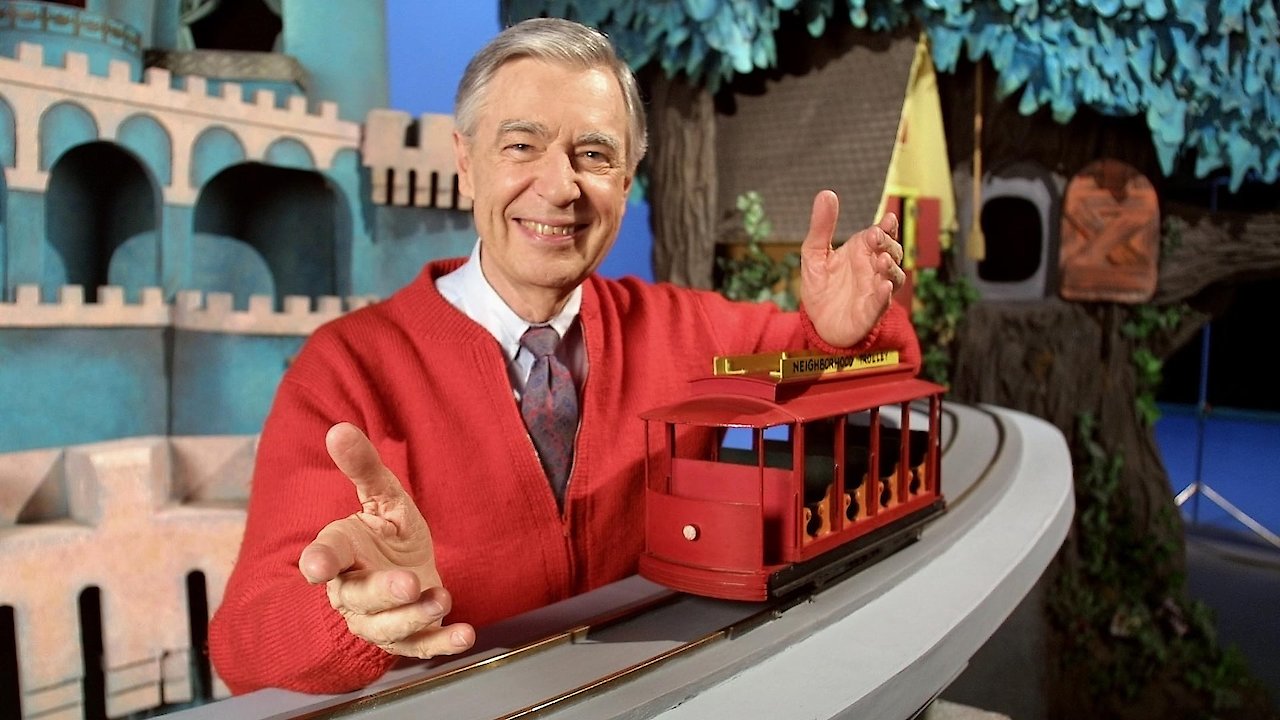
In the enchanting world of Mister Rogers' Neighborhood, season 8, episode 18, titled Wishing and Pretending (3), viewers are welcomed back to the familiar, comforting setting of the Neighborhood of Make-Believe. This episode continues the exploration of the themes of imagination and play, emphasizing their vital roles in emotional and social development.
As always, Fred Rogers, with his gentle voice and warm demeanor, invites children to explore the depths of their feelings and encourages them to express their emotions through creative play. Mister Rogers starts the episode by reflecting on the importance of wishing and pretending, illustrating how these simple acts allow us to envision different scenarios and outcomes. He shares thoughtful stories that resonate with young viewers, explaining how imagination can transport us to places of hope and possibility.
The episode further unfolds as Mister Rogers introduces various segments designed to engage children’s understanding of wishing and pretending. Through stories and relatable scenarios, he highlights how these themes can manifest in day-to-day life. Whether it’s through toys, games, or make-believe adventures, children learn that pretending is not just fun but also a powerful tool for learning about themselves and the world around them.
A special visit to the Neighborhood of Make-Believe reveals beloved characters deeply woven into the episode's fabric, each embodying the spirit of creativity. As viewers are transported into this whimsical land, they encounter familiar faces like King Friday, Queen Sara, and Daniel Striped Tiger, who all partake in their own imaginative escapades. The interactions among the characters beautifully illustrate how wishes can inspire friendship, cooperation, and understanding, reinforcing the narrative that imagination is a shared experience.
One significant subplot in the episode involves a particular scenario that challenges the characters’ desires and wishes. Each character grapples with their unique hopes, and as they articulate their feelings, young viewers are encouraged to think about their own dreams and aspirations. This approach not only fosters emotional intelligence but also promotes discussions about sharing hopes with friends and family.
Mister Rogers also delves into the mechanics of make-believe, as he describes how children can use simple objects around them to create elaborate adventures. This segment encourages creativity, suggesting that children can transform ordinary items into tools for storytelling. Through demonstrations, children are shown that the act of pretending isn’t limited by material possessions but is instead fuelled by their imaginations and innovation.
Musical elements punctuate the episode, with Mister Rogers singing beloved songs that resonate with the themes of dreaming big and the importance of having fun while pretending. These songs seamlessly integrate into the narrative, providing a soundtrack that elevates the viewing experience and engages young viewers in a sing-along. They serve as reminders that music and play are intertwined, enriching both the imagination and the heart.
As the episode progresses, there’s a particular focus on the importance of emotions and how they can drive our wishes and pretending. Mister Rogers speaks candidly about feelings of joy, disappointment, and hope, emphasizing that it’s natural to feel a range of emotions. In doing so, he helps children understand that their feelings are valid and can be expressed through the various forms of play and creation.
Through calm and thoughtful dialogue, Mister Rogers reinforces self-acceptance and the idea that wishing and pretending are universal experiences shared by everyone, regardless of age. His nurturing presence encourages children to embrace their creativity and allows them to recognize that their imaginations have no boundaries.
The episode wraps up with Mister Rogers returning to his own home, where he reflects on the day. He reiterates the significance of imagination, wishing, and how pretending can help us all make sense of our feelings. His closing thoughts resonate beautifully, leaving viewers with a sense of wonder and encouragement to continue exploring their imaginative worlds long after the episode has ended.
Wishing and Pretending (3) stands as a charming and educational installment in the luxurious tapestry of Mister Rogers' Neighborhood. It emphasizes play as a fundamental aspect of childhood development while instilling important lessons about feelings, creativity, and the importance of community. It invites children to dream, to explore their feelings, and to remember that the power of imagination is within their reach, no matter where their adventures take them.