My Name is Earl Season 4 Episode 21 Witch Lady
- TV14
- March 19, 2009
- 22 min
-
7.8 (518)
In the season 4 episode titled Witch Lady of My Name Is Earl, the quirky world of Camden County continues to unravel as Earl Hickey grapples with the rippling consequences of his past misdeeds. True to its signature style, the episode delves into themes of redemption, karma, and the supernatural, all embedded within the show's characteristic humor and heart.
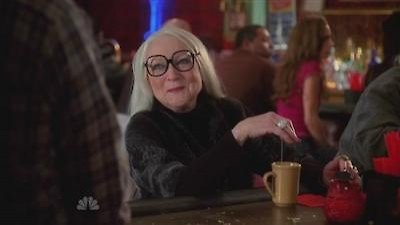
As the episode opens, Earl's determination to make amends leads him to confront an element of his history that haunts him – the reputation of a local woman, known infamously as the "Witch Lady." This eccentric character has long been viewed with a mix of fear and curiosity by the townspeople. Often the subject of town gossip, the Witch Lady embodies the unusual blend of supernatural folklore and societal scorn, which makes her an intriguing figure in Camden County.
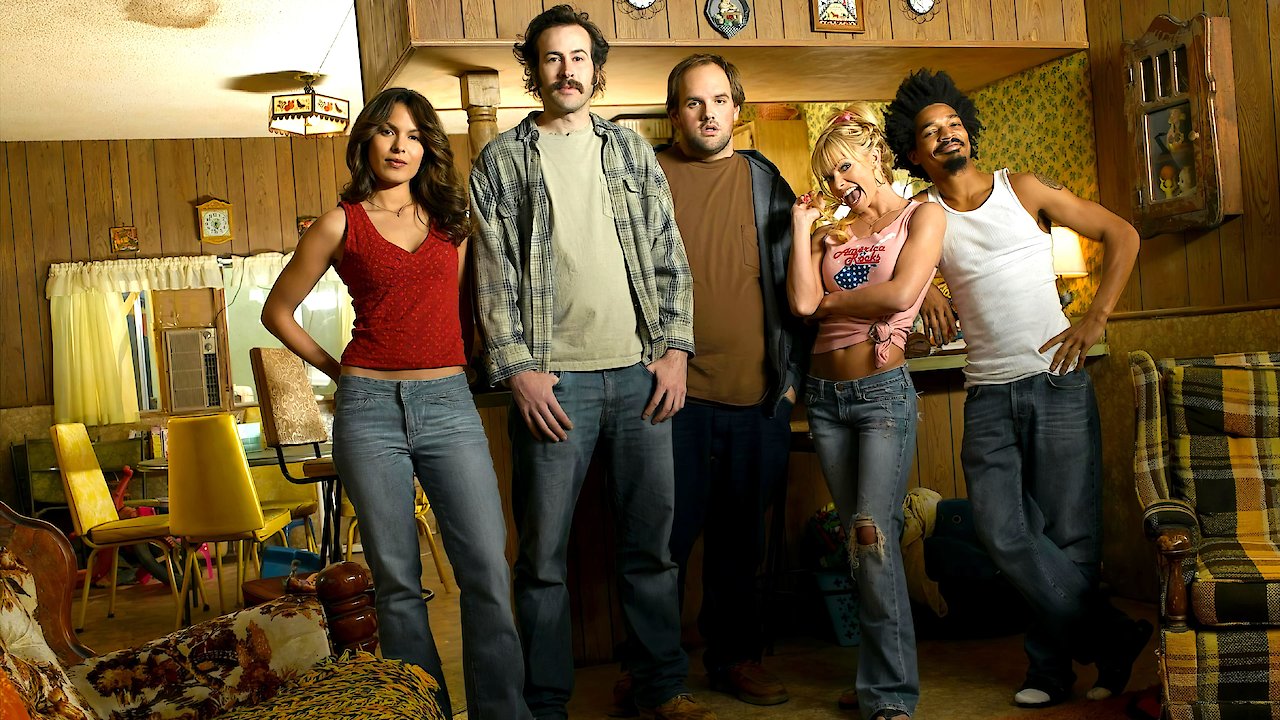
Earl, motivated by his deeply ingrained sense of righting his wrongs, decides that it's time to include the witch in his list of people he needs to apologize to. This leads him and his loyal companions, Randy and Catalina, on a journey filled with eccentric encounters and humorous misadventures. The trio soon learns that the Witch Lady is not simply a misunderstood figure; she possesses an intricate knowledge of the mystical arts, believing firmly in the influences of karma and fate, which aligns perfectly with Earl's own beliefs about the universe's cosmic balance.
Throughout the episode, we witness Earl's struggle to reconcile his past behavior with the present. Despite his comedic attempts to connect with the Witch Lady, he learns some of life's more significant lessons about respect and understanding, especially towards those who, like the Witch Lady, might be marginalized by society. The dynamic between Earl and the Witch Lady develops into a central focus, showcasing an unexpected bond that challenges Earl's perceptions of acceptance and judgment.
In true My Name Is Earl fashion, the episode is peppered with a range of subplots featuring supporting characters, each of whom adds depth to the overarching narrative. Joy, Earl's ex-wife, finds herself embroiled in her own escapades, trying to assert her independence while also reflecting on her complicated relationship with Earl. Meanwhile, Randy often serves as the comic relief, his childlike innocence providing moments of levity as the story unfolds.
The Witch Lady's character serves as a catalyst for Earl's transformation; as he embarks on this peculiar quest of reconciliation, the audience is treated to a well-crafted blend of humor and heartfelt moments. This juxtaposition accentuates the show's signature charm, which lies in its ability to spotlight the absurdities of life while conveying deeper moral messages.
Visually, the episode presents a vibrant depiction of Camden County, reinforcing the overall offbeat aesthetic that fans have come to love. The set design weaves together a tapestry of Southern charm and eclectic characters, setting the perfect backdrop for the supernatural elements that come into play. From the Witch Lady’s enchanting home adorned with charms and crystals to the local diner where Earl often finds refuge, the locations are a feast for the eyes, reflective of the whimsical nature of the show.
As the plot evolves, questions about belief, superstition, and the nature of true witchcraft arise. The Witch Lady challenges Earl — and the audience — to delve into their own beliefs about the unexpected places from which wisdom can emerge. Through her interactions with Earl and his crew, she reveals that the power of belief in something greater than oneself can lead to profound realizations, often hidden beneath layers of societal prejudice and misunderstanding.
Ultimately, the Witch Lady episode is a delightful exploration of connection—both with others and with the mystical aspects of life. It invites viewers to consider how their actions reverberate through their community, shaping the lives of individuals around them. As Earl strives to complete his list, he begins to recognize that sometimes making amends isn't just about saying "sorry"; it's about understanding the intricacies of human experience and the importance of acceptance.
In conclusion, this episode stands out not just for its humor but also for its heart. It brilliantly intertwines the whimsical and the poignant, making it a memorable installment in the My Name Is Earl series. As fans follow Earl’s journey toward redemption with the Witch Lady, they are reminded of the power of transformation—both within oneself and within the larger tapestry of life in Camden County.