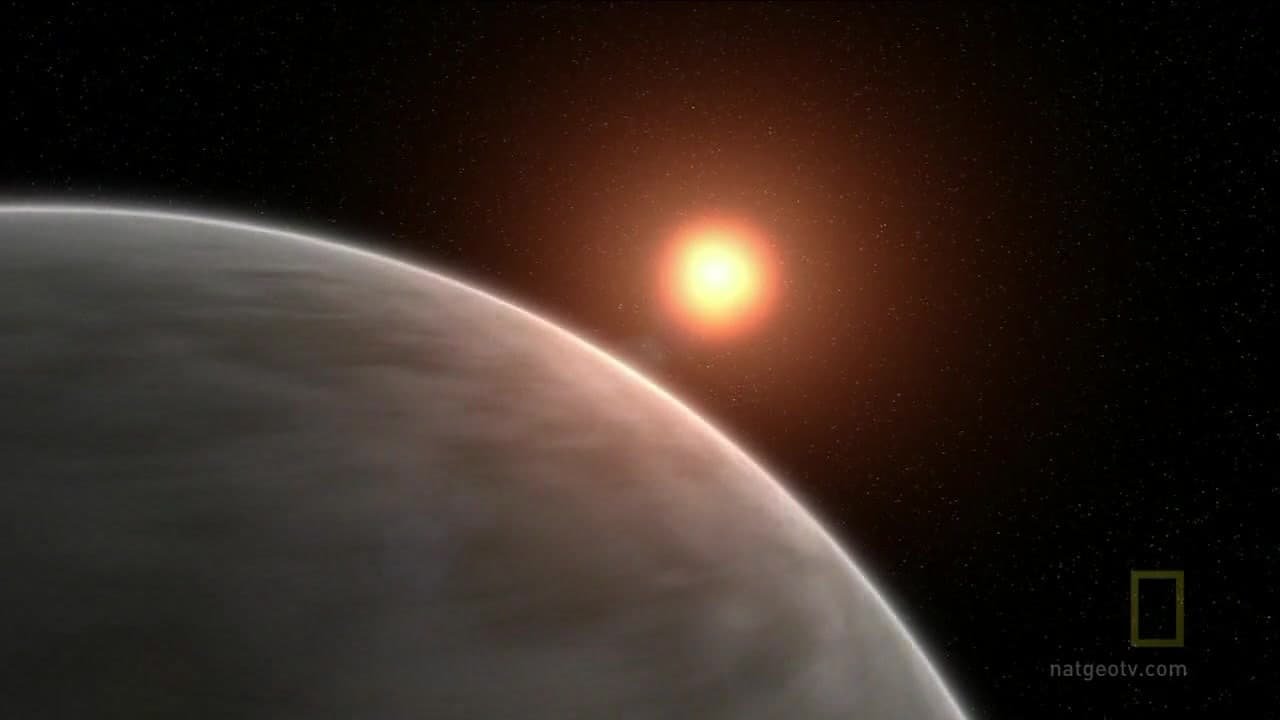
Naked Science Season 5 Episode 23 Tsunami From Outer Space
- July 9, 2009
As the Earth has evolved, it has been bombarded with countless space rocks that have left distinctive scars on its surface. What is less appreciated is the role that these extraterrestrial projectiles may have played in shaping the course of life on our planet. Stunning new data now indicate that an asteroid impact may have caused the greatest extinction of all. In the future, the threat is one we may be able to avoid. So goes the message of "Naked Science: Tsunami from Outer Space," which explores the science of the cosmos and its effects on Earth.
This episode uses vivid reconstructions and top-of-the-range computer simulations to explore the catastrophic effects that intense asteroid impacts can have on the Earth. From the initial blast to the far-reaching environmental consequences, the show breaks it down into understandable segments, starting with the effects of ancient asteroid impacts, the knowledge that these impact events can say a lot about our planet's geologic history. The show also delves into the science-based quest for finding asteroids that could create devastation on our planet and how scientists aim to defend Earth against the threat of impact.
The documentary begins with a look at the biggest asteroid impact that mankind has ever witnessed. Research studies reveal that the explosion that happened in the Tunguska region of Siberia was caused by an asteroid that was nearly a hundred feet in diameter. The explosion was so massive that it leveled an area twice the size of New York and produced a shock wave that traveled 4,000 kilometers around the world. The show uses 3D animations and stunning reconstructions to showcase this catastrophic event in slow motion and explains in detail how the asteroid's impact caused the seismic shockwave that flattened forests for hundreds of miles.
The documentary walks viewers through the story of the Vredefort Crater in South Africa, which is the largest impact crater that has been discovered on Earth. The show offers a breathtaking top-down animation of the impact, which was estimated to have taken place around 2 billion years ago. The studies of the crater reveal that it was formed by an asteroid that was about 10 kilometers in diameter, and the blast release was one billion times greater than that of a nuclear bomb. The program examines the environmental and climate-changing effects of the impact, demonstrating how the asteroid burned off the planet's ozone layer and created a pitch-black sky.
The documentary also looks at protecting the planet by warning of the potential for catastrophic asteroid impacts with Earth. The show depicts NASA's asteroid-hunting mission and the massive challenges associated with tracking and intercepting potential threats on a timely basis. The program depicts scientists' quests to determine specific asteroids' paths and predict whether they pose a significant threat to the planet. While the asteroid hunter's work offers significant progress, the program indicates there is much work that remains to be done to protect humanity against the dangers of a catastrophic extraterrestrial impact.
Overall, "Naked Science: Tsunami from Outer Space" is an engaging and informative look at the effects of asteroids on Earth's environment and geology. The program offers a compelling look into the research field of asteroid detection, providing hope for the future and peace of mind for those interested in protecting humanity's future. The dramatic 3D animation and reconstructions of past cosmic collisions make the program a visual feast in addition to an enlightening look at one of space's most dangerous components and its impact on our planet.