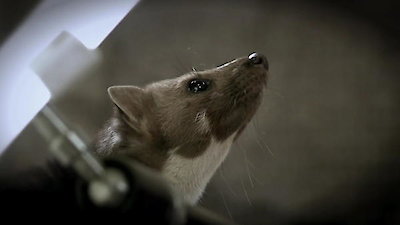
Nature's Strangest Mysteries: Solved Season 1 Episode 9 Animal Vandals
- TVPG
- June 14, 2019
Nature's Strangest Mysteries: Solved is a show that delves into the mysteries of the natural world in an attempt to uncover the truth behind some of the most bizarre and enigmatic phenomena. In season 1, episode 9, which is titled "Animal Vandals," the show explores the phenomenon of animals that seem to have an unusual penchant for destroying human property.
The episode opens with a series of news clips and viral videos showing various animals causing havoc and destruction across the world. From bears breaking into cabins and cars in search of food, to monkeys causing chaos in urban areas, to even a camel that escaped a circus and ran amok through a residential neighborhood, the episode presents a snapshot of the kind of animal vandalism that has captured the public imagination.
The show then turns to interviews with experts in animal behavior and ecology, who attempt to explain why animals sometimes exhibit this kind of destructive behavior. One theory is that, in many cases, the animals are simply looking for something to eat. When their natural habitat is destroyed or disrupted, they may turn to human settlements and infrastructure as a source of sustenance. In other cases, animals may be driven to destroy property as a way of defending their territory or asserting their dominance over other animals.
The show then takes a closer look at some specific examples of animal vandalism, beginning with the case of a group of elephants in India that have been destroying crops and homes in a rural village. The experts on the show explain that the elephants are being pushed out of their natural habitat by deforestation and other human activities, and are therefore forced to seek food and shelter in the nearby villages. The show explores various strategies that have been tried to deter the elephants, including the use of firecrackers, chili peppers, and even trained elephants to keep them at bay.
Next, the show turns to the case of black bears in the United States, which have been known to break into cars and cabins in search of food. The experts explain that this behavior is often learned from other bears, and that humans can unwittingly train bears to associate food with human settlements by leaving out garbage and other food sources. The show explores various strategies for preventing bear break-ins, such as securing garbage and using bear-proof containers.
The episode also examines the case of monkeys in Thailand, which have become a major nuisance in some urban areas. The monkeys are known for stealing food, causing property damage, and even attacking humans. The experts on the show explain that the monkeys are attracted to urban areas because they have been fed by humans in the past, and that the problem has been exacerbated by the large number of tourists who visit the area and feed the monkeys. The show explores various strategies for reducing the monkey population and minimizing their impact on local communities.
Finally, the show looks at some more unusual cases of animal vandalism, such as the story of a beaver that caused a major power outage in a Canadian town by chewing through a power cable. The experts on the show explain that beavers are known for their powerful jaws and teeth, which are adapted for chewing through wood and bark. In this case, the beaver likely mistook the power cable for a tree and began to gnaw on it, causing the outage.
Overall, "Animal Vandals" is a fascinating exploration of the ways in which human activity can impact the behavior of animals, and vice versa. The show offers a range of insights and strategies for minimizing the impact of animal vandalism on human communities, while also highlighting the importance of preserving natural habitats and reducing the overall human footprint on the planet.
