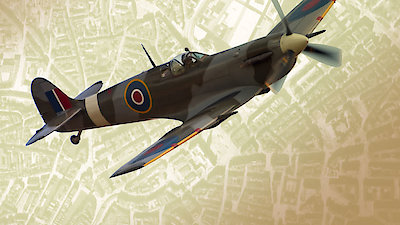
NOVA Season 39 Episode 11 3D Spies of WWII
- January 18, 2012
-
7.7 (69)
In season 39, episode 11 of NOVA, viewers are taken back in time to learn about 3D Spies of WWII. This episode delves into the top-secret efforts of Allied intelligence to spy on the Nazis during World War II using 3D technology.
The episode starts by introducing viewers to stereoscopic cameras, which played an instrumental role in the spy missions of WWII. The cameras captured two images from different angles, creating a 3D image when viewed together. The technology was being used in Hollywood movies, but the Allies saw its potential as a tool for intelligence gathering. The episode showcases how British and American scientists worked together to develop this technology to produce accurate 3D maps of enemy territory and photographic reconnaissance of Nazi weapons and military installations.
The NOVA episode also features interviews with experts who elaborate on how the use of stereographic technology was a game-changer for the Allies' intelligence-gathering efforts during the war. The episode highlights the work of British intelligence officer Colonel John Henry Pepper, whose team developed a 3D spy camera. Pepper and his team hid the camera in a pigeon because the pigeon could fly over enemy territory without being detected. The pigeon could take 3D images of enemy positions, and the camera could then be remotely triggered to allow the photographs to be taken.
NOVA's 3D Spies of WWII also describes the use of the new technology in the context of military strategy. For example, the episode focuses on the use of 3D models to aid in the planning of the D-Day landings in Normandy. The models allowed the Allied commanders to create accurate models of the geography of the landing area, from the beaches to the surrounding terrain. Using detailed 3D models, the commanders could plan the invasion with unerring accuracy, achieving a decisive advantage over the Germans.
The episode also sheds light on the challenges faced by the scientists and researchers responsible for developing the 3D spy technology. These scientists often worked under tremendous pressure to come up with new ideas and innovative solutions to problems.
Additionally, the episode highlights the role of women in the development of 3D stereoscopic cameras. One woman, Constance Babington Smith, worked for British intelligence and was responsible for interpreting the 3D spy photographs. Babington Smith was instrumental in identifying German military installations and weapons being developed by the Nazis. Her work enabled the Allies to succeed in their missions and contributed to their ultimate victory in the war.
Overall, NOVA's 3D Spies of WWII is an informative and fascinating look into a little-known aspect of the Allies' intelligence-gathering efforts during World War II. The episode provides viewers with a detailed examination of the uses of 3D technology, offering a unique perspective on the challenges faced by those who developed and deployed these tools. With the help of experts and historians, the episode brings this aspect of WWII to life, helping to provide a deeper understanding of the war and the people who fought it.