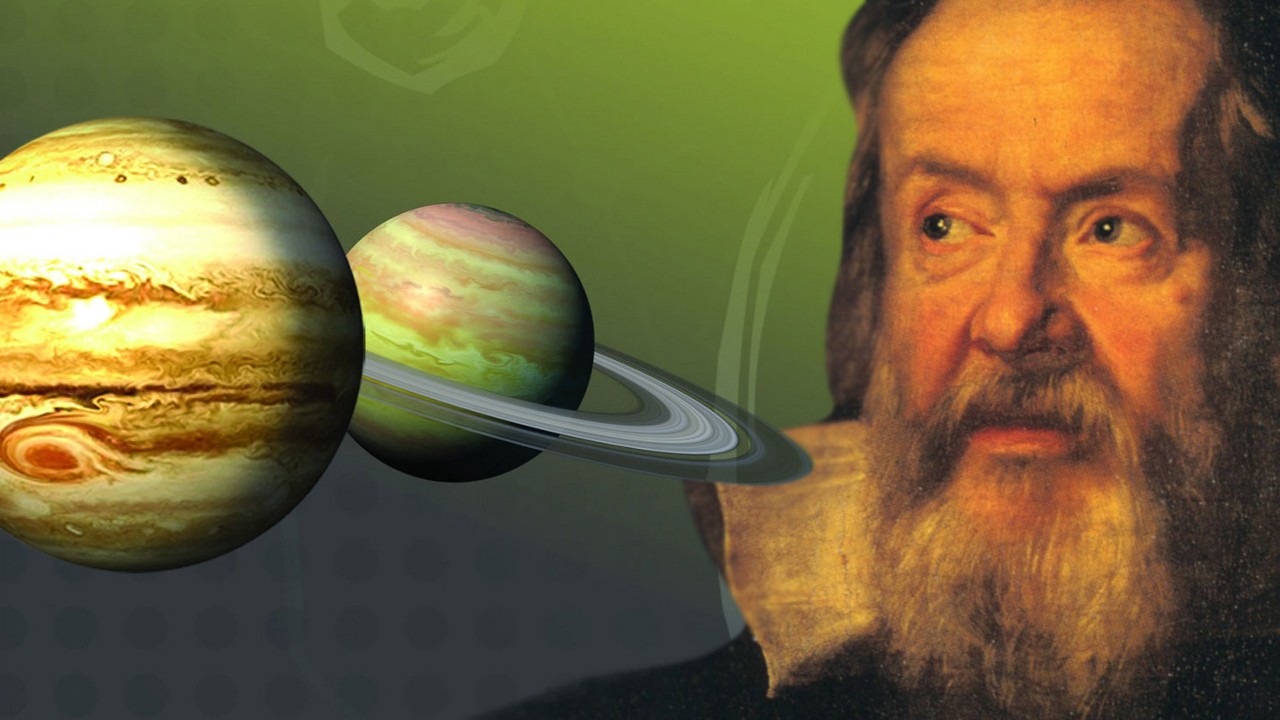
Physics and Our Universe: How It All Works Season 1 Episode 23 Matter and Heat
- TV-PG
- September 30, 2011
- 30 min
In episode 23 of Physics and Our Universe: How It All Works, titled "Matter and Heat," viewers explore the fascinating relationship between these two fundamental concepts in physics. The episode begins with an in-depth explanation of the three states of matter: solid, liquid, and gas. The guest physicist explains that while matter can exist in any of these states, its state is determined by the temperature and pressure of its environment. Viewers learn that heat is the transfer of thermal energy between objects and that this energy causes the atoms and molecules of a substance to vibrate and move faster.
The episode then delves into the specific properties of the three states of matter. For solids, viewers learn that the atoms and molecules are tightly packed together and have a fixed volume and shape. Liquids, on the other hand, have a fixed volume but can change shape. Finally, gases have neither a fixed volume nor a fixed shape and can expand to fill any container they are placed in.
The guest physicist then goes on to explain how heat affects matter, specifically how it can change its state. An example of water is used to illustrate this point, with the guest explaining that by adding heat to ice, it turns into liquid water, and with even more heat, the water can turn into steam and evaporate.
The episode then delves deeper into the concept of heat, including the different types of heat transfer: conduction, convection, and radiation. Viewers learn that conduction is the transfer of heat through direct contact, while convection is the transfer of heat by moving fluids or gases. Radiation, meanwhile, is the transfer of heat through electromagnetic waves, such as sunlight.
The guest physicist also discusses the concept of heat capacity, or the amount of heat required to raise the temperature of a substance by a certain amount. Viewers learn that different substances have different heat capacities, with a higher heat capacity indicating that a substance requires more heat to raise its temperature.
The episode concludes with a discussion of the laws of thermodynamics, specifically the first law, which states that energy cannot be created or destroyed, only transferred or converted. Viewers learn that this law applies to all forms of energy, including heat energy, and that it has important implications for our understanding of the universe.
Overall, the "Matter and Heat" episode of Physics and Our Universe: How It All Works is an informative and accessible exploration of these fundamental concepts in physics. Through clear explanations and helpful visual aids, viewers gain a deeper understanding of the relationship between matter and heat, and how they shape the world around us.
