Physics and Our Universe: How It All Works Season 1 Episode 24 The Ideal Gas
- TV-PG
- September 30, 2011
- 30 min
In this episode of Physics and Our Universe: How It All Works, we explore the concept of the ideal gas. Starting with the basics of gas behavior such as pressure, temperature, and volume, we dive into how macroscopic properties of gas molecules are determined by their microscopic motion and collisions with each other and their surroundings.
We begin by reviewing the key assumptions of the ideal gas model, which include that the gas is made up of point-like particles that do not interact with each other except for elastic collisions and that there are no intermolecular forces at work. We then discuss the idea of a gas constant and how it relates to the temperature and number of gas particles in a closed system.
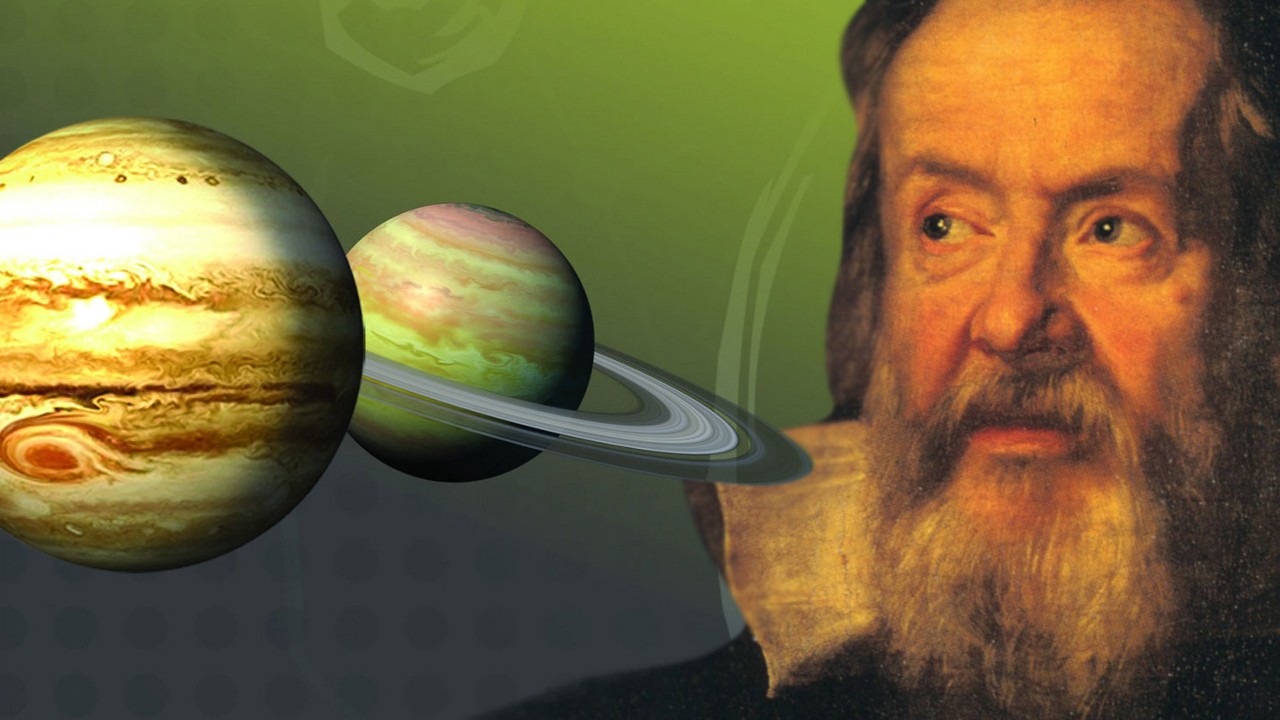
Next, we introduce the concept of the equation of state, which allows us to relate the pressure, volume, and temperature of an ideal gas using the ideal gas law. We show how this equation can be used to perform calculations on a wide range of gas systems, from air in a balloon to the atmosphere of Jupiter.
Moving on, we explore the specific heats of gases and how they relate to energy storage and transfer in gas systems. We discuss how the specific heats of an ideal gas depend on its degrees of freedom and relate this to the concept of internal energy.
As we delve deeper into the behavior of real gases, we encounter deviations from the ideal gas model due to factors such as intermolecular attractions and the finite size of gas particles. We discuss how these deviations can be accounted for using models such as the van der Waals equation.
Finally, we explore the concept of thermodynamic entropy and how it applies to gas systems. We discuss how the entropy of an ideal gas changes as heat is added or removed and how this relates to the second law of thermodynamics. We also touch on the concept of statistical mechanics and how it is used to understand the behavior of large gas systems.
Overall, this episode of Physics and Our Universe: How It All Works offers a comprehensive and engaging exploration of the ideal gas and its relevance to a wide range of physical systems. Whether you're a student of physics or simply interested in the behavior of gases, this episode is sure to have something new and interesting to offer.
