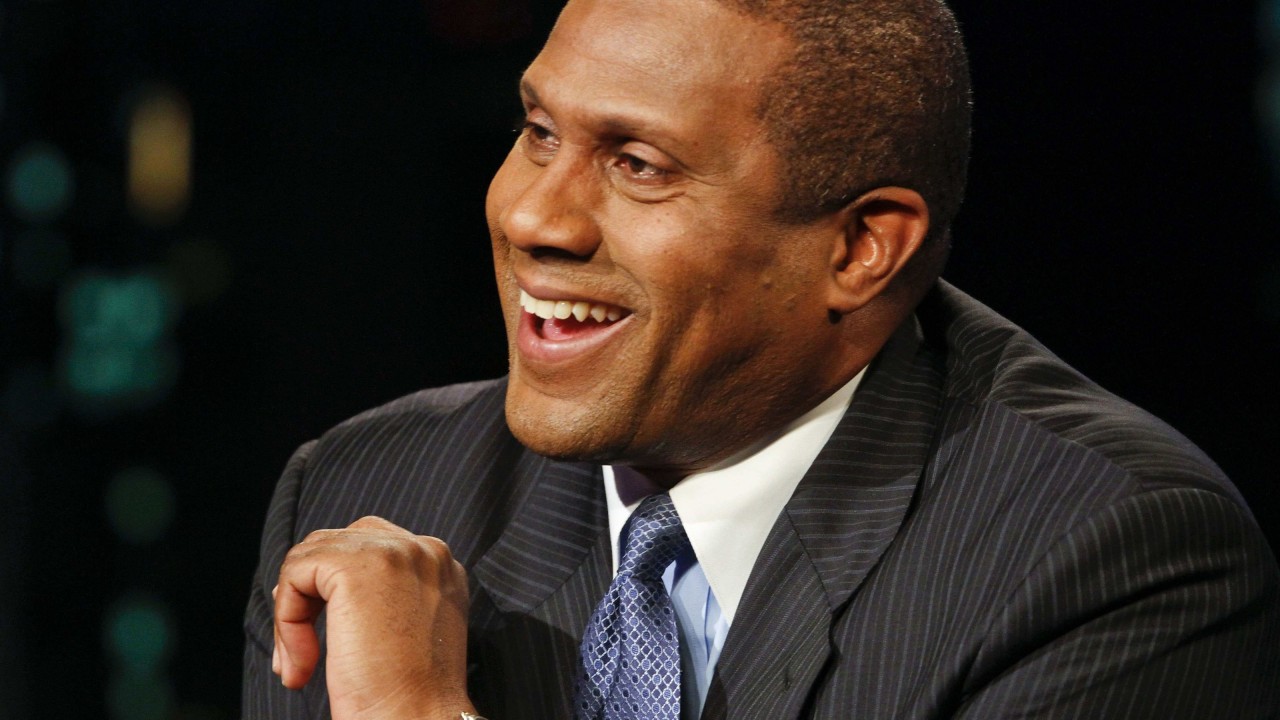
Tavis Smiley Season 7 Episode 176 Geoffrey Canada, Davis Guggenheim
- September 28, 2010
Tavis Smiley Season 7 Episode 176 - Geoffrey Canada, Davis Guggenheim
In this riveting episode of Tavis Smiley, the renowned talk show host brings together two influential figures who have made a significant impact on education and social change: Geoffrey Canada and Davis Guggenheim. Throughout the episode, they engage in a thought-provoking discussion about their respective work and the challenges faced in improving educational opportunities for underprivileged communities.
Geoffrey Canada, a highly regarded educator, author, and activist, shares his insights into the critical issue of education inequality in America. As the former president of the Harlem Children's Zone, Canada has dedicated his career to transforming the lives of children in poverty-stricken areas, providing them with comprehensive support and access to high-quality education. His unwavering commitment to breaking the cycle of poverty has earned him national acclaim and respect.
Joined by award-winning filmmaker Davis Guggenheim, famous for his documentary "Waiting for Superman" and his work on "An Inconvenient Truth," the conversation delves into the power of media in raising awareness and driving social change. Guggenheim's compelling storytelling skills have shed light on some of the most pressing issues of our time. His films have become catalysts for dialogue and action, encouraging viewers to examine the flaws within the education system and explore potential solutions.
Throughout the episode, Tavis Smiley facilitates a captivating conversation that touches upon various aspects of education reform. The guests discuss the challenges faced when trying to provide equal educational opportunities for all children, regardless of their socioeconomic background. They examine the systemic barriers that perpetuate educational disparities and hinder upward mobility for marginalized communities.
In their dialogue, Canada and Guggenheim explore innovative ideas and strategies to address these issues. They share their experiences and insights gained from working closely with students, families, and policymakers. The episode highlights the importance of investment in early childhood education, the need for teacher development programs, and the essential role of community involvement.
The episode also touches upon the broader implications of education inequality within society. Canada and Guggenheim delve into the consequences of an unbalanced system, the impact on social mobility, and the perpetuation of social divisions. They discuss how education can become a catalyst for change and an equalizer in society, allowing all individuals to reach their full potential.
Furthermore, the guests discuss the challenges of implementing effective education reform on a larger scale. They consider the role of government policies and the necessity for collaboration between various stakeholders, such as educators, community leaders, and philanthropists. The episode provides valuable insights into the complex nature of educational change and the importance of collective efforts in achieving lasting impact.
As the conversation continues, Tavis Smiley skillfully navigates through the diverse perspectives and experiences of his guests, fostering a rich dialogue that challenges conventional wisdom and inspires the audience towards action. The episode encourages viewers to consider their own roles in advocating for educational equity and to explore ways they can contribute to positive change within their communities.
Overall, Tavis Smiley Season 7 Episode 176 brings together two remarkable individuals, Geoffrey Canada and Davis Guggenheim, to shed light on the critical issue of education inequality. Their dynamic discussion serves as a call to action for viewers, emphasizing the importance of education as a tool for empowerment and social progress. By sharing their profound insights and experiences, Canada and Guggenheim ignite a collective passion for change and inspire viewers to become advocates for a more equitable education system.