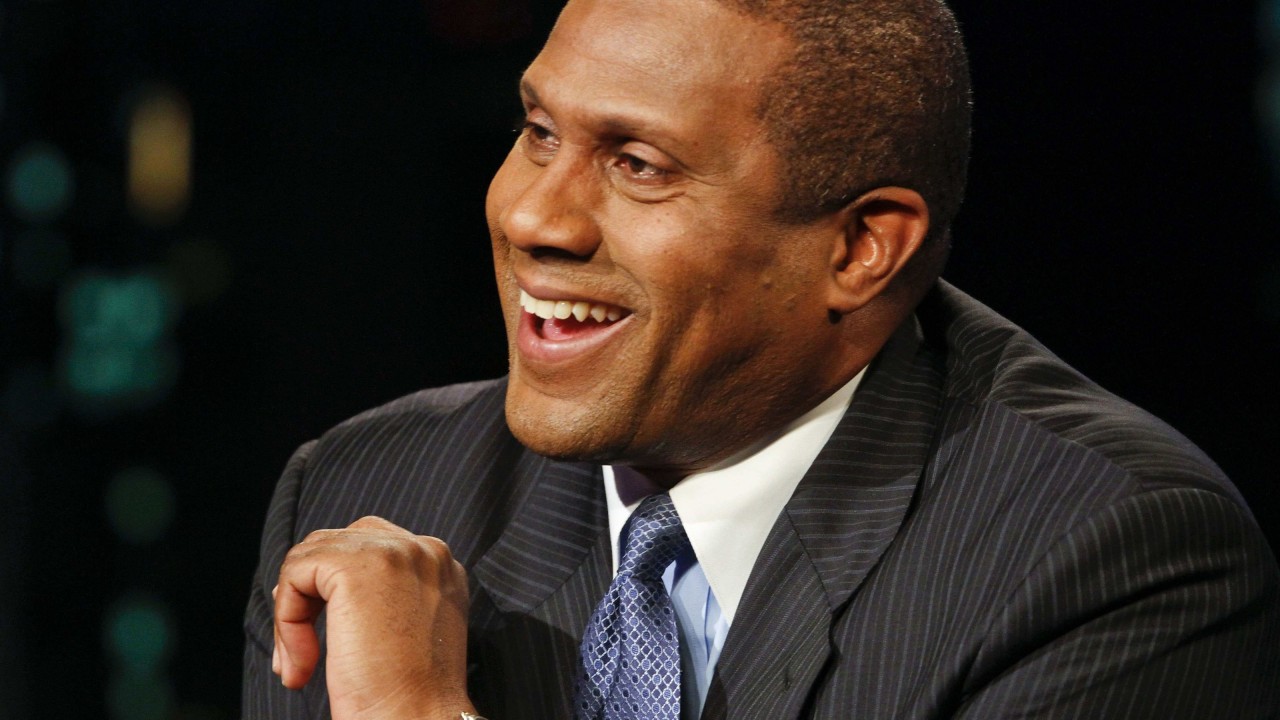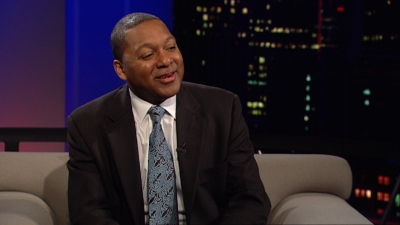
Tavis Smiley Season 7 Episode 282 Wynton Marsalis
- March 15, 2011
Tavis Smiley Season 7 Episode 282: Wynton Marsalis
In this captivating episode of Tavis Smiley, acclaimed journalist and talk show host Tavis Smiley welcomes none other than the legendary jazz musician, composer, and bandleader, Wynton Marsalis. A true maestro of his craft, Marsalis has made an indelible mark on the world of music, and in this interview, he delves into his remarkable journey and shares invaluable insights into his artistry, influences, and social consciousness.
As the episode begins, Tavis Smiley sets the stage by highlighting the significant contributions of Wynton Marsalis to the music industry. Known for his virtuosic trumpet playing and brilliant compositions, Marsalis has continually pushed boundaries and redefined jazz, earning numerous accolades including nine Grammy Awards. With his distinct style blending traditional jazz with contemporary elements, he has captivated audiences worldwide and become a living legend of the genre.
Throughout the episode, Tavis Smiley engages in an in-depth conversation with Marsalis, exploring the multifaceted aspects of his career. They delve into Marsalis' early years, tracing his musical roots back to his childhood in New Orleans. Growing up in a city famous for its vibrant jazz culture, Marsalis was immersed in an environment that would shape his passion for music. Tavis Smiley and Marsalis discuss the transformative experiences and mentors that fueled his development as a musician, including his father, Ellis Marsalis Jr., a renowned jazz pianist.
From there, the discussion extends into Wynton Marsalis' innovative approach to jazz. He shares his thoughts on the importance of preserving the tradition and history of the genre while embracing innovation and experimentation. With eloquence and passion, Marsalis elucidates his commitment to ensuring that jazz remains an evolving art form, constantly pushing boundaries and reflecting the times in which it is created.
Beyond his artistic endeavors, Tavis Smiley and Wynton Marsalis delve into the broader impact of jazz on society. Recognizing the genre's historical significance as a powerful means of social commentary, Marsalis discusses the role of musicians as cultural commentators and advocates for change. Drawing from his experiences and observations, he sheds light on jazz's ability to unite people from diverse backgrounds and foster dialogue on important issues.
Moreover, Tavis Smiley and Marsalis explore the significance of arts education, particularly in underserved communities. Marsalis is a passionate advocate for providing young people with access to music and fostering their artistic development. He discusses his efforts to promote music education through various programs like Jazz at Lincoln Center, which he co-founded. Marsalis believes in the transformative power of music education, emphasizing how it can instill discipline, promote creativity, and empower individuals to excel in all aspects of life.
In this thought-provoking episode, Tavis Smiley and Wynton Marsalis touch upon the intersections of music, culture, and social change. Their conversation transcends the world of jazz and offers valuable insights into the potential for artistry to shape society positively.
As the interview draws to a close, Tavis Smiley and Wynton Marsalis reflect on the enduring legacy of jazz. Marsalis emphasizes the universal language of music, expressing his hope that future generations will continue to appreciate and build upon the rich traditions of jazz. With his unwavering commitment to preserving and evolving the genre, Marsalis proves to be not only a celebrated musician but also an influential cultural figure.
Tavis Smiley Season 7 Episode 282 featuring Wynton Marsalis is an enlightening exploration of the life and career of one of the greatest jazz musicians of our time. Through Tavis Smiley's insightful questioning and Wynton Marsalis' profound reflections, viewers are treated to an unforgettable conversation about music, culture, and social consciousness. This episode is a testament to the power of jazz as both an artistic expression and a force for positive change in the world.