The Colbert Report Season 1 Episode 18 Rev. Al Sharpton
- November 15, 2005
-
6.0 (8)
In this vibrant and engaging episode of The Colbert Report, titled Rev. Al Sharpton, viewers are treated to a lively blend of humor, satire, and insightful discussions. Stephen Colbert, the sharp-witted host and mastermind behind the show's comedic approach to current events, welcomes the prominent civil rights leader and activist, Rev. Al Sharpton, to the studio. The dynamics between Colbert and Sharpton set the stage for an entertaining exploration of pressing social issues laced with Colbert's characteristic comedic flair.
The episode opens with Colbert’s iconic monologue, where he dives into the latest headlines and political events with his signature satirical take. Utilizing a mix of parody and genuine commentary, he offers his perspective on the news cycle, encouraging audience engagement while poking fun at various aspects of contemporary politics and media. Colbert’s blend of absurdity and astute observations keeps the energy high and the laughter flowing, establishing a humorous context for the conversation to come.
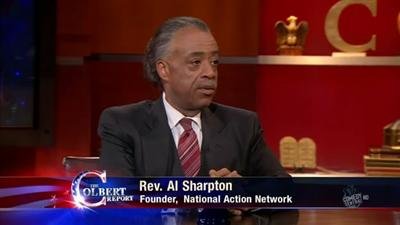
As the segment shifts to introduce Rev. Al Sharpton, viewers are introduced to not just a politician, but a man with a multifaceted career that spans decades of activism, media engagement, and public service. Sharpton, a formidable figure in the realm of social justice, brings an earnestness and passion for change that contrasts nicely with Colbert’s more sardonic style. This dynamic sets the stage for a compelling dialogue that balances comedy with serious discussions about race, equality, and the socio-political landscape of America.
Throughout the episode, Colbert engages Sharpton in a variety of topics, ranging from his storied history as a civil rights leader to contemporary challenges facing marginalized communities. Colbert’s questions deftly balance humor and gravity, making room for both lighthearted banter and substantive discourse. Sharpton’s responses are insightful and thought-provoking, shedding light on his advocacy work, major life events, and the broader implications of current social movements. Together, they navigate the intersection of politics and culture with a remarkable chemistry that is both entertaining and enlightening.
The episode also features comedic segments interspersed with Sharpton's appearance, where Colbert creatively incorporates news clips and satirical graphics to emphasize the absurdities of the political landscape. These segments serve as a humorous critique of American politics and media, showcasing Colbert’s ability to blend humor with meaningful commentary. As always, the production is visually stimulating, with sharp editing, clever graphics, and the show's trademark wit lending itself to the overall thematic cohesion of the episode.
In addition to the interview, the episode offers a glimpse into Sharpton's personal experiences and anecdotes, allowing viewers to connect with him on a human level. Colbert’s approach encourages Sharpton to share stories that reveal his motivations, struggles, and triumphs in the fight for equality and justice. This storytelling adds depth to the episode and demonstrates Colbert's skill in fostering an environment where guests feel comfortable sharing their perspectives.
The humor doesn't shy away from difficult subjects; instead, it amplifies the discussion by illustrating the ridiculousness of certain political positions and media portrayals. Colbert and Sharpton demonstrate that laughter can coexist with serious conversations about race and equality, creating a rich tapestry of entertainment and education for the audience.
As the episode draws to a close, viewers are left not only amused but also with a heightened awareness of the important social justice issues that continue to resonate in contemporary society. Colbert’s ability to merge humor with activism creates a powerful platform, and Sharpton’s contributions ensure that the conversation remains relevant and impactful.
Rev. Al Sharpton's episode stands as a testament to The Colbert Report's enduring legacy as a source of sharp political satire and social commentary. The interplay between Colbert's comedic genius and Sharpton’s profound commitment to civil rights results in an episode that is both entertaining and enriching. Audiences are encouraged to reflect on the conversations sparked during the show, fostering a deeper understanding of how humor can serve as a vehicle for change and a catalyst for important discussions.
Overall, this episode encapsulates the spirit of The Colbert Report, blending satire with sincere dialogue while highlighting the importance of activism in today's world. It's an enlightening experience wrapped in laughter, leaving a lasting impression on viewers long after the credits roll.