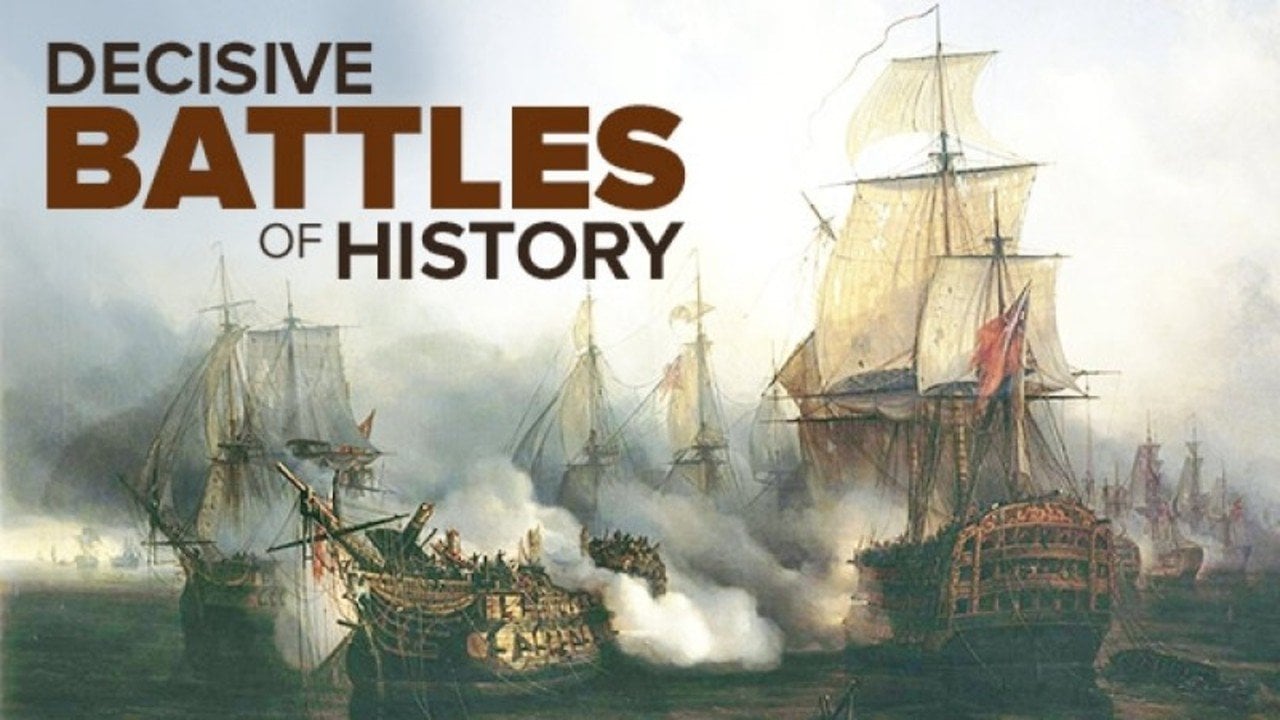
The Decisive Battles of World History Season 1 Episode 5 197 B.C. Cynoscephalae: Legion vs. Phalanx
- TV-PG
- April 14, 2014
- 32 min
In the fifth episode of The Decisive Battles of World History, titled 197 B.C. Cynoscephalae: Legion vs. Phalanx, viewers are transported back to a pivotal moment in the ancient Mediterranean world, where the outcome of one significant battle had far-reaching consequences for the balance of power in the region. This episode delves into the clash between the Roman Republic and the Hellenistic forces of King Philip V of Macedon, exploring not only the circumstances that led to the confrontation but also the tactical innovations that emerged from it.
The narrative begins by setting the historical stage in the years leading up to the battle. The episode illustrates the geopolitical landscape of the late 3rd century B.C., a period marked by the ambitions of Rome, which was rapidly expanding its influence throughout the Mediterranean, and the waning power of the Macedonian kingdom, once the beacon of Hellenistic culture and political strength under the likes of Alexander the Great. Tensions rose as Philip sought to reclaim some of his lost glory and territory, leveraging alliances with other Hellenistic states, while Rome aimed to consolidate its hegemony and counter any threats posed by kings and tyrants in the region.
As the episode unfolds, viewers are introduced to two distinct and formidable military doctrines that will face off on the battlefield: the Roman legion, known for its flexibility, discipline, and innovative tactics, versus the Macedonian phalanx, renowned for its formidable pikemen and deep formations. This section provides a vivid examination of the strengths and weaknesses of each formation, dissecting the training, organization, and combat strategies that defined their respective military success.
The storytelling shifts to the lead-up to the battle of Cynoscephalae, providing insights into the minds of the commanders involved. The Roman general, T. Quinctius Flamininus, is portrayed as a skilled tactician who understands the importance of adapting to the dynamics of warfare, while Philip V embodies the traditional strengths of ancient Greek military leadership, relying on the tried-and-true methods of his predecessors. The contrast between their approaches not only sets the stage for a thrilling encounter but also illustrates the evolution of military thought at the time.
As the episode transitions into the action, viewers are treated to a meticulously crafted portrayal of the battlefield itself. Situated in the Thessalian hills, the terrain plays a crucial role in the unfolding drama, influencing the deployment and maneuverability of both armies. The cinematography captures the chaos and intensity of the conflict, portraying the clash of lances and shields, the rhythm of marching feet, and the strategic movements that define the fight for supremacy.
In this episode, significant attention is given to the moments of tactical brilliance manifested by Flamininus as he adapts his formation to counter the might of the phalanx. Viewers witness how the Roman legions employ innovative strategies that capitalize on the terrain and the enemy’s vulnerabilities. The documentary-style narration, combined with expert commentary and historical analysis, brings to life the decision-making processes that take place in the heat of battle, showcasing how adaptability ultimately outmaneuvers entrenched tradition.
Interspersed with battle scenes, the episode also provides a deeper exploration of the motivations driving both sides. Interviews with historians and military experts break down the larger implications of the battle for both Rome and Macedon, discussing how Cynoscephalae marked a critical turning point in the Roman conquest of the Hellenistic world. The episode immerses viewers in the psychological and cultural battles waged alongside the physical conflict, demonstrating that the battle of Cynoscephalae was not merely a contest of arms but also a struggle for identity and legacy.
As the episode progresses towards its conclusion, the focus shifts to the aftermath of the battle and its lasting impact on the history of warfare. Cynoscephalae is portrayed as not just a victory for Rome, but as a watershed moment redefining military tactics, with the implications rippling forward into future generations of soldiers and commanders. The experience and insights gained from this encounter became part of the Roman military lexicon, influencing the structure of armies for centuries to come.
197 B.C. Cynoscephalae: Legion vs. Phalanx encapsulates the essence of the triumphs and tribulations that define human conflict. Through gripping storytelling and visual artistry, the episode not only brings one of history's decisive battles to life but also prompts reflection on the ever-evolving nature of warfare, strategy, and leadership. As the screen fades, viewers are left contemplating not only the outcome of the battle but the profound lessons it teaches about adaptability, courage, and the relentless quest for power.
