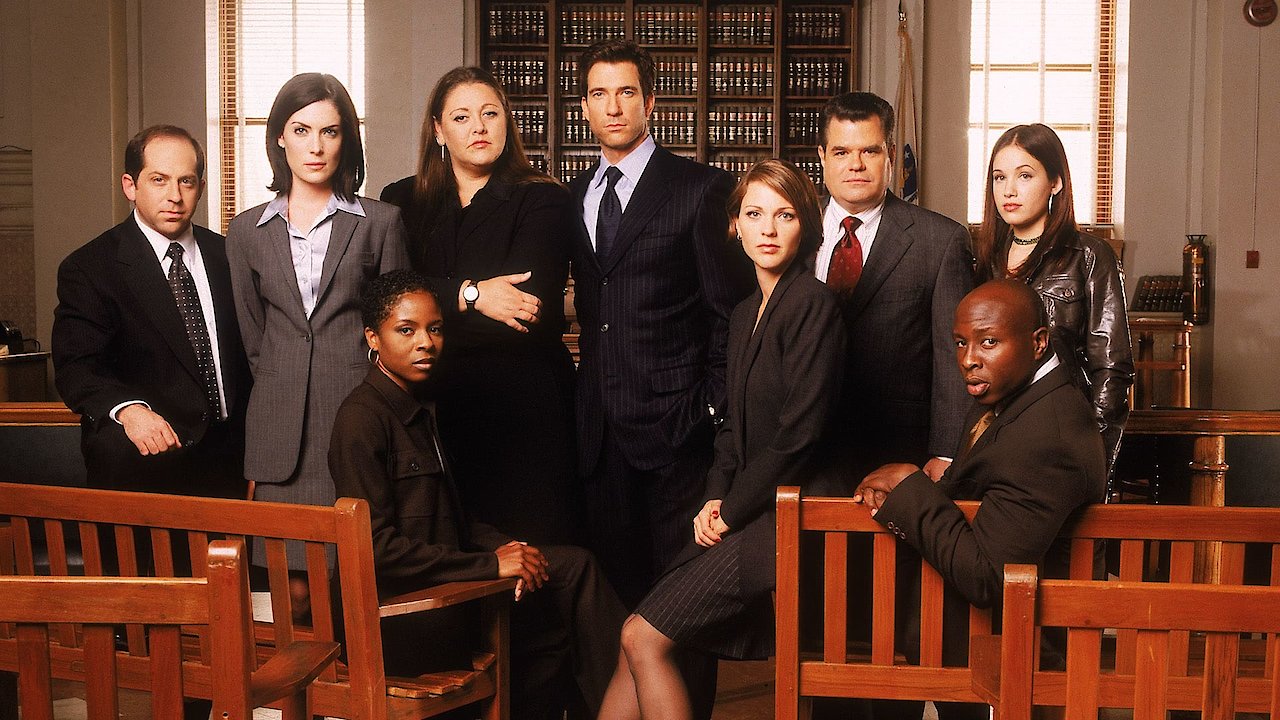
The Practice Season 2 Episode 26 Axe Murderer (2)
- TV14
- April 27, 1998
- 43 min
-
7.9 (94)
In the gripping season finale of The Practice, titled Axe Murderer (2), viewers are drawn into a web of complex legal dilemmas and intense character dynamics as the attorneys of Young, Frutt & Berluti grapple with their most challenging case yet. The episode picks up where the previous cliffhanger left off, amplifying the tension as significant revelations and ethical dilemmas begin to unfold.
The storyline revolves around the dark and disturbing case of a man accused of committing a shocking crime—a gruesome axe murder that has sent shockwaves through the community. The central characters, including the relentless Bobby Donnell, the brilliant and tenacious Lindsay Dole, and the morally conflicted Eugene Young, find themselves in a high-stakes battle for justice as they dive deep into the intricate layers of the law and the human psyche.
As the legal machinations of the courtroom come to life, viewers witness the intense preparation for the trial. Each character brings their unique perspective and expertise, leading to clashes both in strategy and ethics. Bobby’s unwavering belief in his client's innocence drives him to confront challenging evidence and circumstantial details that might otherwise paint a damning picture. He is resolved to uncover the truth, even if it means navigating the treacherous waters of doubt that surround his client.
Lindsay, portrayed with fierce determination, finds herself torn between her moral compass and the legal obligations imposed by the court. Her storyline delves into the emotional turmoil of defending someone who might be guilty, challenging her notions of justice, and pushing her to question how far she is willing to go to uphold her principles. The pressures within the courtroom not only test her professional capabilities but also her personal beliefs, propelling her character development to new heights.
In parallel, Eugene Young's ethical struggles come to the forefront. As a lawyer who has faced his own demons, Eugene’s internal conflict adds depth to the episode. He is a character shaped by his past experiences, and his journey toward redemption reflects the complexities of the legal system. As the trial continues, Eugene must reconcile his pursuit of justice with the reality of who his client may be, leading to poignant moments of introspection and growth.
The episode intricately weaves together the themes of morality, justice, and the consequences of choice. Throughout the trial, the courtroom becomes a battleground for not just legal arguments but also for philosophical debates about right and wrong. The tension escalates as new evidence emerges, putting pressure on the team to adapt their strategy on the fly. This dynamic courtroom setting adds layers of suspense as the narrative unfolds, keeping viewers on the edge of their seats.
Supporting characters also play crucial roles in this intense narrative. From personal relationships to professional confrontations, the interactions between the attorneys ebb and flow, revealing the unique bonds they share while also highlighting their individual vulnerabilities. This interplay among the team members not only enriches the storyline but also reflects the reality of life in a high-pressure legal environment.
As the trial reaches its climax, the emotional stakes heighten. Witnesses are called, and their testimonies create a dramatic shift in the direction of the case. Each revelation leads to unexpected consequences, setting off a chain of events that tests the resilience and resolve of the courtroom team. The tension is palpable, invoking a sense of urgency as time runs out, and the fight for justice becomes a pressing reality.
The episode also touches on broader societal themes, including media influence and public perception surrounding criminal cases. The portrayal of outside pressures that impact the courtroom proceedings highlights the complex relationship between the legal system and society at large. As public opinion sways, the characters must navigate not only legal strategies but also the moral implications of how a case is perceived.
In a climax that promises intense confrontations and emotional revelations, Axe Murderer (2) serves as a poignant testament to the struggles faced by those in the legal profession. It invites the audience to reflect on their beliefs about justice, the nature of guilt, and the intricacies of human behavior. With strong performances and a tightly woven narrative, this season finale leaves viewers contemplating the blurred lines between right and wrong, justice and vengeance, long after the credits roll.
Overall, the episode stands as a powerful reflection on the complexities of the legal world and the personal costs that come with pursuing justice. As the team at Young, Frutt & Berluti faces their most difficult challenge yet, viewers are left eagerly anticipating what lies ahead for these passionate defenders of the law.