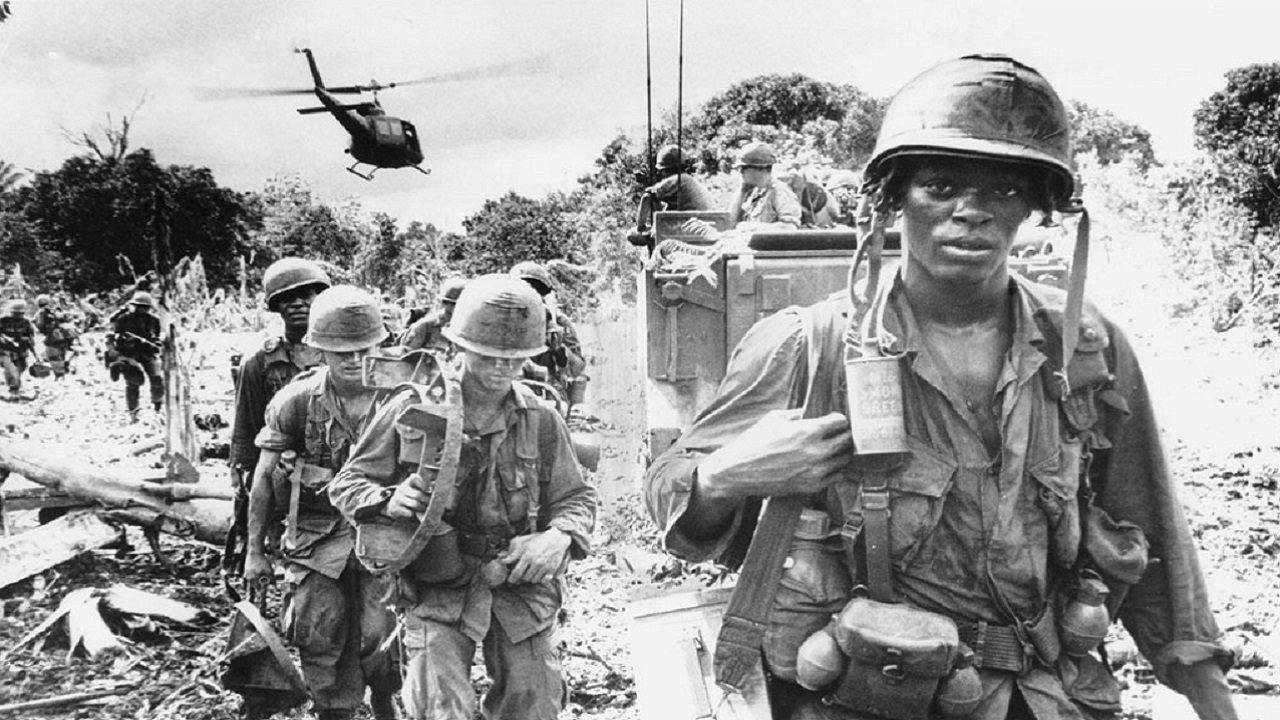
The Vietnam War Season 1 Episode 13 False Optimism, Failing Strategies, 1966
- January 18, 2024
- 28 min
The Vietnam War season 1 episode 13, titled False Optimism, Failing Strategies, 1966, delves into a tumultuous period in the conflict, capturing the complex interplay between military strategy, political maneuvering, and public perception. This episode provides a meticulous examination of the year 1966, a critical juncture for the United States' involvement in Vietnam, characterized by a blend of aggressive military tactics and burgeoning pessimism regarding the war's outcomes.
As the episode unfolds, viewers are introduced to the prevailing sentiment among U.S. officials and military leaders who cling to a hopefulness about the war that soon proves unfounded. The episode highlights the disparity between the optimistic rhetoric of American leaders and the grim realities faced by soldiers on the ground. Through interviews with veterans, historians, and political analysts, the episode captures the essence of this disconnect, illustrating how the optimistic forecasts failed to align with the harsh truths of a protracted conflict.
The narrative covers key military events of 1966, showcasing the deployment of more troops, the intensification of combat operations, and the realization of strategic blunders. As the United States ramped up its military presence in Vietnam, the episode critically examines the implications of decisions made by top officials, including President Lyndon B. Johnson and military commanders. It explores their motivations—rooted in the Cold War ethos—and their determination to project strength against the perceived threat of communism in Southeast Asia.
Amidst the backdrop of escalating military engagements, the episode reveals how the Vietnam War began to capture the attention of the American public. Media coverage started to trickle into households across the nation, with images and stories contrasting starkly with the optimistic narratives put forth by Washington. As televised images of combat emerged, public sentiment began to shift, leading to increasing skepticism about the U.S. strategy in Vietnam. The episode draws attention to the role of journalists, whose firsthand accounts brought the brutal realities of war into the living rooms of ordinary Americans.
False Optimism, Failing Strategies, 1966 also examines the growing discontent among American soldiers and their families. Through personal testimonies and archival footage, the episode reveals how many began to question the purpose of their missions amid high casualty rates and a lack of clear objectives. The frustration and confusion on the front lines stand in stark contrast to the confident assertions from the government, exposing the widening chasm between the experiences of military personnel and the narratives being spun by politicians.
Additionally, the episode sheds light on the internal divisions within the U.S. government and military regarding the approach to the war. The differing viewpoints among military strategists create a sense of chaos and indecision, contributing to what the episode characterizes as failing strategies. Viewers gain insight into the debates surrounding guerilla warfare, the use of air power, and the evolving understanding of the Viet Cong's resilience, all of which played crucial roles in shaping U.S. military tactics.
The visuals throughout the episode are striking, with powerful footage of combat scenes juxtaposed against serene landscapes of Vietnam, illustrating the stark contrast between the beauty of the country and the horrors of war. This visual storytelling enhances the emotional weight of the episode, allowing viewers to connect deeply with the historical events and the individuals who experienced them. The use of music and sound also plays a vital role in setting the tone, creating a poignant atmosphere that underscores the gravity of the unfolding conflict.
Toward the conclusion of False Optimism, Failing Strategies, 1966, the episode prompts viewers to reflect on the consequences of the strategies employed and the implications of the false narratives constructed by those in power. It serves as a precursor to the growing anti-war sentiment that would shape the latter years of the Vietnam War, offering a sobering reminder of the cost of misguided optimism and the dangers of a disconnect between leadership and the realities faced by soldiers and civilians alike.
This episode of The Vietnam War is a crucial chapter in understanding the complexities of the conflict and its broader ramifications, both for the United States and for Vietnam. Through a careful blend of primary source materials, expert commentary, and compelling personal stories, it invites viewers to grapple with the harsh truths of war, the fragility of hope, and the lasting impact of failed strategies.
