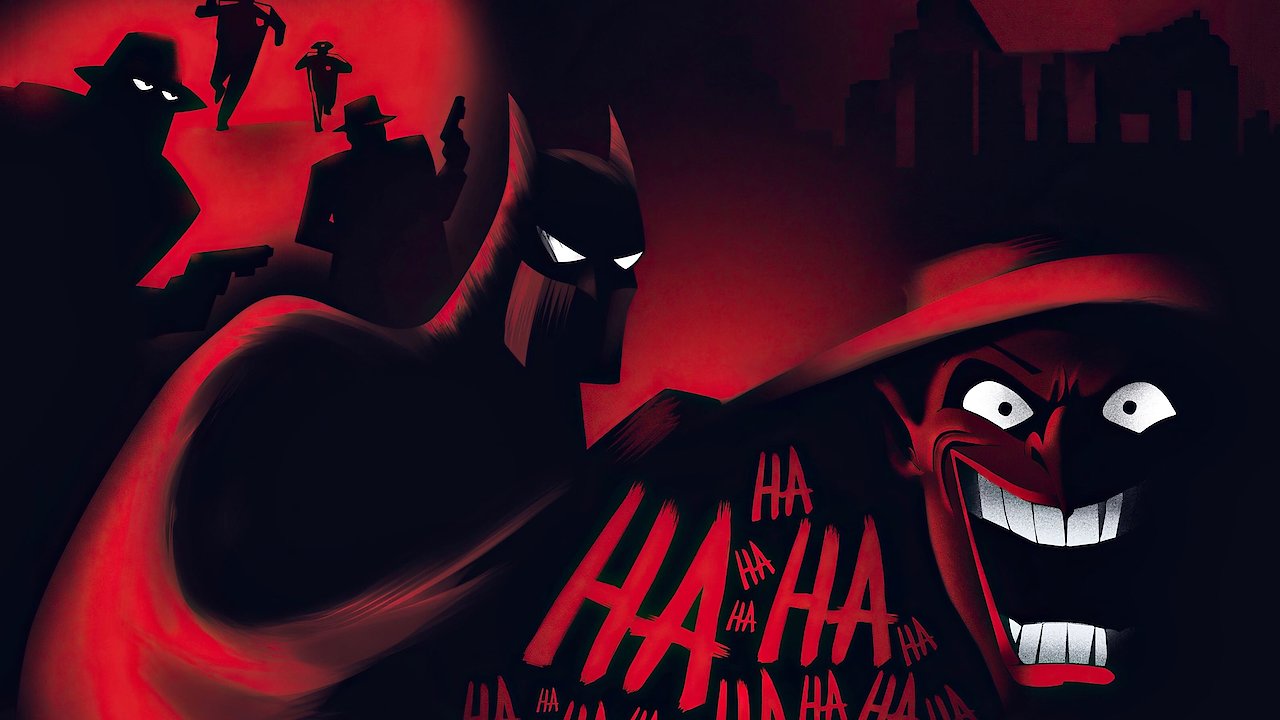
Batman: The Animated Series Season 3 Episode 12 The Trial
- TV-NR
- May 16, 1994
- 22 min
-
9.1 (2,160)
In the captivating episode "The Trial" from Season 3 of Batman: The Animated Series, viewers are taken on a psychological journey that explores themes of justice, morality, and the quest for redemption through the lens of Gotham's infamous rogues' gallery. The episode opens with a startling courtroom drama, where the criminally insane are put on trial, not just for their actions but for their ongoing obsession with their rival, Batman, who has relentlessly pursued them through the streets of Gotham.
As the episode unfolds, the Joker, along with a coalition of Gotham's most notorious villains—including the Penguin, Two-Face, and Harley Quinn—find themselves in a peculiar predicament. Instead of the typical adversarial fights with Batman, they must now confront the psychological ramifications of their constant confrontations with the Dark Knight. The episode creatively blurs the lines between victim and villain, questioning whether Batman’s relentless pursuit and the very nature of justice might be pushing these criminals toward madness.
In a surprising twist, the courtroom serves as a backdrop for the villains to voice their grievances against Batman. They argue that his actions have not only thwarted their plans but have also led to their own psychological unraveling. This unconventional setting brings a layer of complexity to the narrative, as each villain presents their case, recounting personal tales filled with shades of tragedy and injustice. The audience is invited to ponder whether these villains are deserving of sympathy or if they are merely trying to manipulate the system to garner a sense of victimhood.
The character of the Joker shines particularly brightly in this episode. His maniacal charm and unpredictable behavior make for a captivating performance as he stands trial. He delights in the chaos and absurdity of the legal proceedings, often taking center stage to unravel the seriousness of the situation with dark humor. His interactions with the other characters are both unsettling and engaging, as they oscillate between moments of cunning wit and terrifying malice.
On the other side, Batman’s absence from the courtroom speaks volumes. His steadfast commitment to justice is palpable as we see the collateral damage inflicted upon his enemies deemed as victims. The episode raises important questions about accountability and whether Batman’s vigilante methods contribute to the cycle of crime and punishment. As the villains make their cases, the viewers are pulled into a deeper contemplation of what it means to be a hero in a world filled with morally ambiguous choices.
The tone of "The Trial" expertly alternates between dark and humorous, with moments of levity interspersed amid the tension of a courtroom drama. The animation, as always, is superbly crafted, visually enhancing the emotional weight of the characters’ dialogues. The artistic style imbues each scene with a gothic intensity, highlighting the gravity of the situation while maintaining a stylistic flair that aligns with the city of Gotham itself.
As the story progresses, key figures from the Gotham City justice system are brought into play, providing a backdrop of legal intrigue that further complicates the proceedings. The representation of the legal system is not merely a plot device but adds depth to the existing conflicts faced by the characters. Issues of mental health, personal responsibility, and the impact of past traumas are explored in a nuanced way, encouraging the audience to reflect on the societal structures that define justice.
Listeners will be on the edge of their seats as the episode culminates in a series of dramatic revelations and revelations about each character's choices. The courtroom setting allows for various perspectives to be presented, leading to an unexpected climax that brings the villains' motivations into sharp focus while drawing attention to Batman's own journey throughout his vigilante career.
Overall, "The Trial" stands as a thought-provoking episode that ventures beyond typical superhero fare. It challenges viewers to reconsider the very nature of justice, encourages empathy toward its characters, and examines the psychological costs of a life devoted to law and order. This episode not only contributes to the rich tapestry of Batman: The Animated Series but also invites reflection on the moral complexities that arise in the eternal battle between good and evil—an engaging tale that lingers in the mind long after the credits roll.