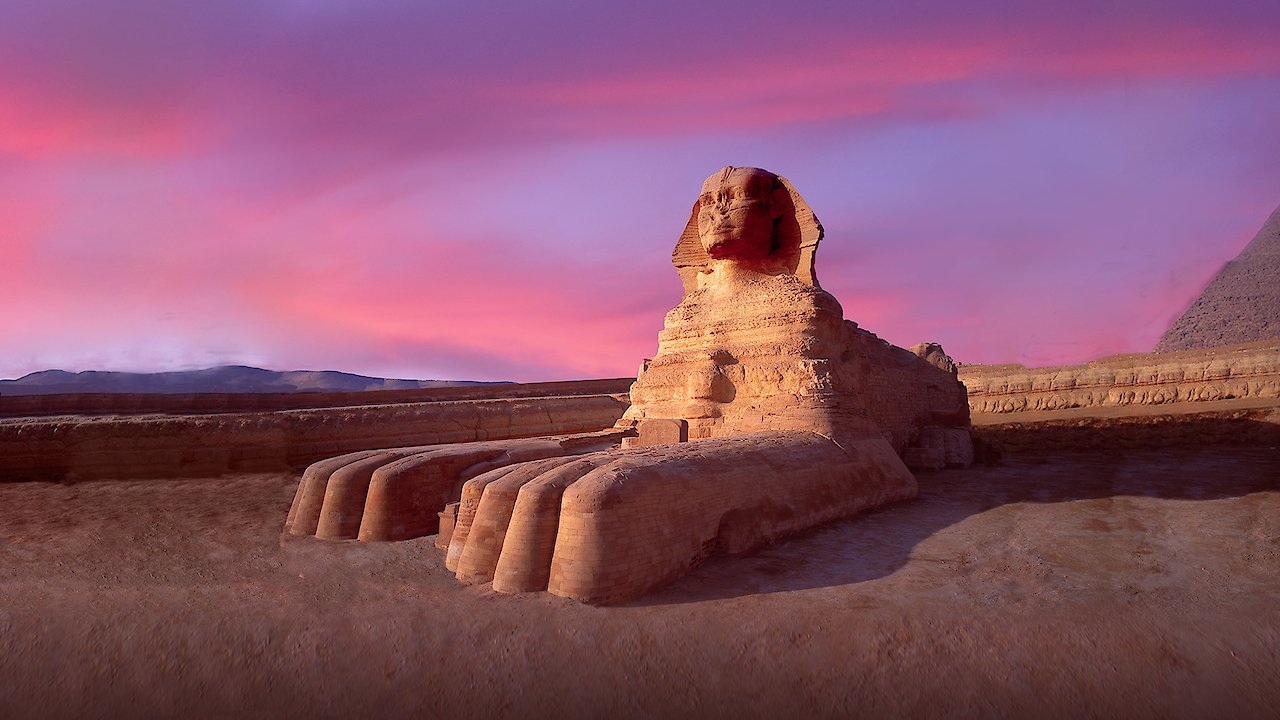
Blowing Up History Season 3 Episode 17 Ramses
- January 1, 1970
- 43 min
In Blowing Up History season 3 episode 17, titled "Ramses," viewers are taken on a journey through the reign of Ramses II, one of ancient Egypt's most iconic pharaohs. The episode begins with an introduction to the pharaoh, highlighting his fame and legacy, including the numerous temples and statues he commissioned during his long rule. Ramses II was known for being a powerful and ambitious ruler, expanding Egypt's territory and waging several successful military campaigns.
The episode then delves into the construction of some of Ramses II's most famous structures, including the Ramesseum, a massive temple built in his honor, and the Great Temple of Abu Simbel, which boasts towering statues of Ramses II carved into the facade. Experts explain the engineering feats required to construct these massive structures, including the transportation and carving of thousands of tons of stone.
The show also explores Ramses II's family life, including his many children and wives. Experts analyze the pharaoh's mummified remains, revealing clues about his health and physical appearance. They also discuss Ramses II's impact on Egyptian culture and religion, highlighting the ways in which he used art and architecture to reinforce his own power and authority.
As the episode unfolds, viewers are given a behind-the-scenes look at ongoing efforts to preserve many of Ramses II's most iconic structures. Experts explain the challenges involved in maintaining these ancient sites, from restoring damaged stone to protecting against erosion and other forms of decay. The show also highlights recent discoveries related to Ramses II, including the identification of new mummies and the uncovering of previously unknown artifacts.
Throughout the episode, viewers are treated to stunning footage of sites like the Ramesseum and the Great Temple of Abu Simbel, along with expert analysis and contextualization. The result is a fascinating look at one of ancient Egypt's most iconic figures, and an exploration of the engineering, art, and cultural practices that defined his reign.
