Call the Midwife Season 4 Episode 4 Episode 3
- TV-14
- April 12, 2015
- 52 min
-
8.6 (401)
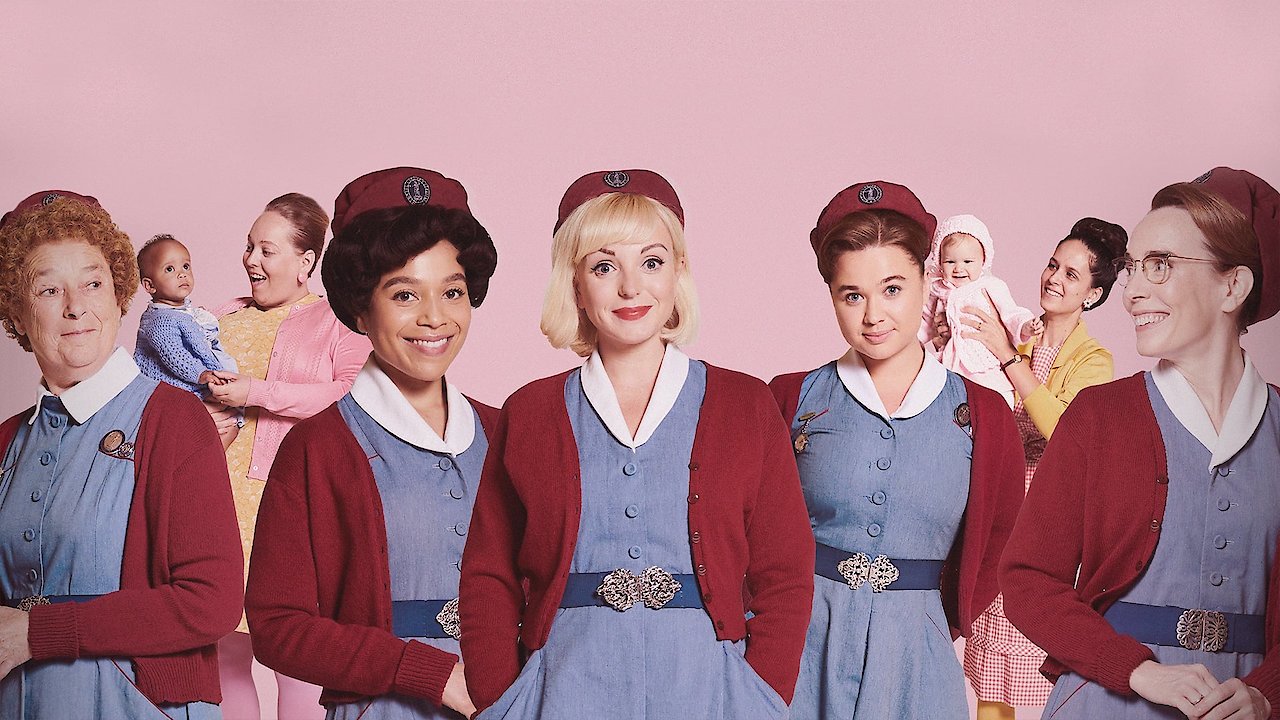
Call the Midwife season 4 episode 4, titled Episode 3, takes viewers on another poignant journey through the lives of midwives and their patients in the East End of London during the 1960s. The episode delves into the complex themes of motherhood, societal expectations, and the evolving landscape of healthcare, all interwoven with the personal stories of the characters we have come to know and love.
As the episode unfolds, the devoted midwives at Nonnatus House face a series of challenges that test their compassion and resilience. Each midwife brings her unique personality and approach to patient care, creating a rich tapestry of interactions that reflect the diverse community they serve. The challenging social dynamics of post-war London loom large, and the midwives are reminded daily of the importance of empathy and understanding in their work.
At the heart of the episode is a series of births that are fraught with tension and unexpected complications. The staff is on high alert as they navigate the emotional landscapes of their patients, bringing to light the struggles many women faced during this era. Various storylines converge as the midwives work tirelessly not only to deliver babies but also to offer emotional support and practical advice to their patients. Each expectant mother grapples with her unique circumstances, and the midwives adapt their approaches to ensure that each woman feels heard and cared for.
Throughout the episode, the influence of societal norms is evident. The expectations placed on women to conform to traditional roles as mothers can feel overwhelming, and the midwives are acutely aware of the pressures their patients are under. Some women face societal judgment, while others deal with personal circumstances that complicate their pregnancies. The episode beautifully showcases the warmth and understanding of the midwives, who strive to create a safe space for each woman to express her fears and hopes.
Meanwhile, the relationships among the midwives themselves continue to deepen. Their camaraderie serves as a source of strength, and moments of humor and lightness provide relief amid the heavier themes. Throughout the episode, their interactions reveal the bonds that have formed over shared experiences—ranging from joyous births to heartbreaking losses. This interplay among the midwives adds a layer of depth to the narrative, as viewers witness not only their professional dedication but also their personal struggles and triumphs.
The backdrop of the East End in the 1960s is vividly portrayed, immersing viewers in the sights and sounds of the time. The bustling streets, local shops, and community events are brought to life, illustrating the tight-knit nature of the neighborhood. As the midwives navigate the various challenges within this environment, the setting becomes almost a character in its own right, influencing the stories of the women they serve.
As the episode progresses, the midwives find themselves confronted with issues that resonate beyond the immediate context, touching on themes of social justice and equality. They encounter women from diverse backgrounds, each with her own story, and the midwives’ commitment to providing compassionate care transcends the boundaries of class and circumstance. This commitment drives them to challenge the status quo, advocating for the women they serve while also reflecting on their own roles within the healthcare system.
The emotional weight of the episode is balanced by moments of tenderness and hope. Reassuring dialogue between the midwives and their patients highlights the trust that develops throughout the birthing process. Each birth story unfolds uniquely, bringing both challenges and joy that resonate with the audience. The depictions of maternal love and the bonds formed during childbirth reflect the universal experiences of joy and pain, making it relatable to many viewers.
Episode 3 of season 4 continues to showcase Call the Midwife's signature blend of heartwarming storytelling and social commentary. It captures the essence of what it means to be a midwife during this transformative time in history, reflecting the triumphs and trials of motherhood and the vital role of community support. As the episode draws to a close, viewers are left with a renewed appreciation for the resilience of women—both those giving birth and those guiding them through the experience.
In classic Call the Midwife fashion, Episode 3 encapsulates the human spirit, reminding us of the joys and challenges of life and the vital connections that bind us all together. The episode serves not only as a compelling narrative of midwifery but also as a tribute to the strength and dignity of women, illustrating the profound impact that compassionate care can have on individuals and communities alike.