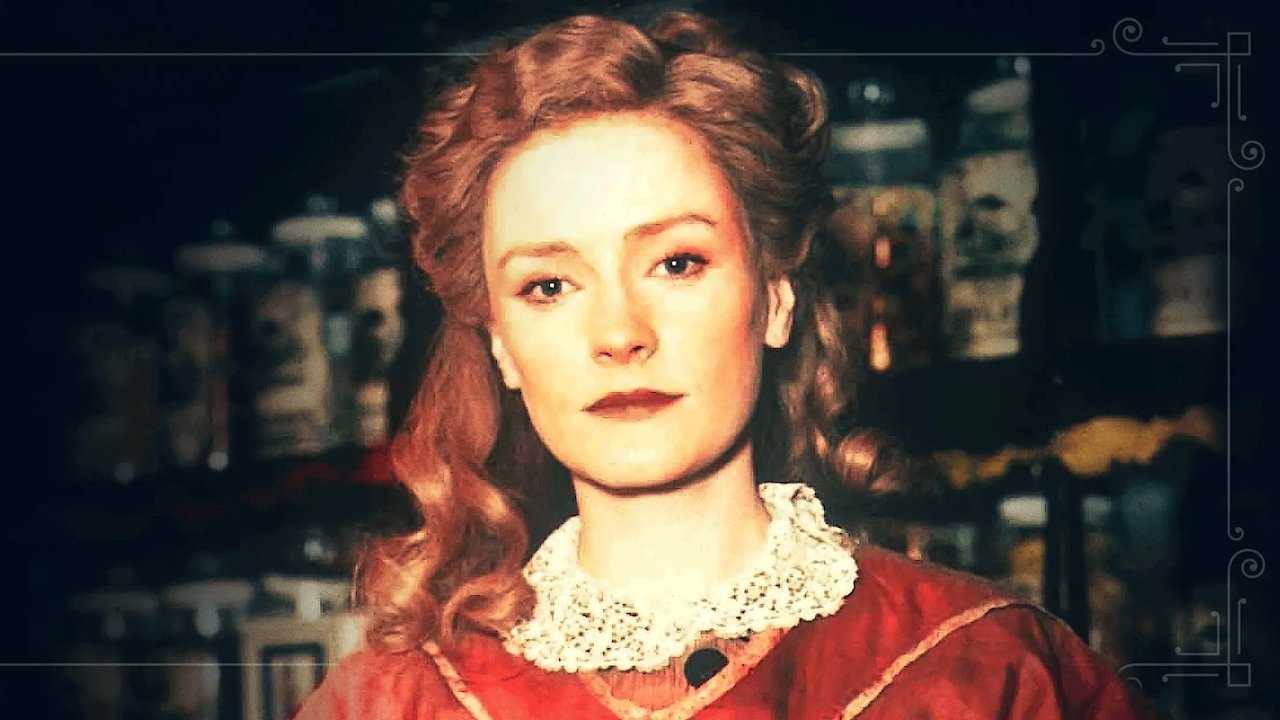
Catherine Cookson's The Wingless Bird Season 2 Episode 2 The Dwelling Place, Part 2
- May 15, 1994
The Catherine Cookson Collection season 2 episode 2, titled "The Dwelling Place, Part 2", picks up where the first part left off. This gripping episode presents an emotionally charged story of the pitiless 1830s countryside in Northumberland.
In part two, viewers see the striking changes in young Celia's life from the time of her arrival at Foulbridge until the present. Despite changing circumstances, Celia's spirit remains unbroken, and the episode follows her determination to survive and thrive as an independent woman.
The original source material is a classic Catherine Cookson novel, and the episode stays true to the story's spirit, capturing the texture of Northumberland's environment, the naturalistic sound effects of the surrounding wildlife, and the emotional performances of the exquisite ensemble cast.
The visuals and cinematography are particularly noteworthy, with lush and panoramic shots of the beautiful Northumberland landscapes, sparkling streams and rivers, and vivid depictions of the people and their homes.
As the episode progresses, we see how Celia's life changes after the death of her grandfather, with the introduction of a new character, an unscrupulous businessman named Adam who takes an interest in her life and her lands. Celia struggles to resist him as she senses his true intentions.
The episode's mood shifts as the narrative becomes tense and suspenseful. The Dwelling Place becomes not just a survival story but a tale of intrigue, as Celia fights to keep her inheritance secure from Adam's various machinations.
The episode also takes time to explore complex themes like inheritance, family bonds, and the pain of lost loved ones. Viewers will find themselves invested in the characters and the outcome of their struggles.
With its exceptional cast of actors, stunning visuals, and a compelling script, The Catherine Cookson Collection's The Dwelling Place, Part 2 is a captivating and emotional episode that stands as one of the finest examples of British television drama. And while this episode makes up part of a larger collection, it's also a gripping, standalone work of art that is not to be missed by fans of period dramas and great storytelling alike.
