Criminal Minds: Suspect Behavior Season 1 Episode 5 Here Is the Fire
- TV-14
- March 16, 2011
- 42 min
-
7.2 (202)
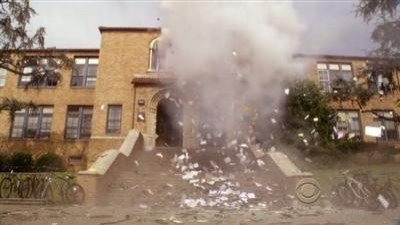
In the fifth episode of Criminal Minds: Suspect Behavior, titled Here Is the Fire, the Behavioral Analysis Unit (BAU) team delves into a harrowing case that tests their expertise and challenges their emotional resilience. As a new investigation unfolds, the team is called to a string of dangerous incidents surrounding a rapidly spreading series of arson attacks in a suburban area. The fires not only wreak havoc on the community, but they also leave a trail of fear and uncertainty in their wake, pushing local authorities to enlist the specialized skills of the BAU.
The episode opens with the team receiving a briefing about the situation. The escalating violence of the fires has sparked public outcry, and with each subsequent inferno, the urgency to apprehend the perpetrator becomes increasingly critical. Each arson incident seemingly possesses a distinct motive, yet there is an ominous thread that ties them together, hinting at a deeper psychological profile behind the arsonist. Viewers are introduced to the diverse backgrounds of the BAU members, showcasing their unique approaches to understanding criminal behavior. This reinforces the theme that while they work in unison, each member brings a personalized methodology to the table, enriching the investigation with their varied insights.
As the team travels to the town gripped by fear, the emotional toll of the flames and destruction becomes readily apparent. The community is devastated, grappling with the loss of property and the threat to their safety. Profiler Sam Cooper, played by Forest Whitaker, takes the lead in the investigation, employing his keen intuition to sift through the chaos and identify potential patterns. The viewer witnesses Cooper’s dedication, not only to uncovering the truth but also to assuaging the fears of the residents, emphasizing the psychological impact of crime on a community.
The subplot of the episode centers around the individual members of the BAU team as they personally connect with the victims and their families. Their interactions reveal their compassion and commitment to their work, but also shine a light on their own vulnerabilities. Each team member confronts their own demons as they grapple with profound emotions stirred by the devastation around them. The episode artfully juxtaposes the team's professional discussions about behavioral analysis with the deeply human responses they experience in the face of tragedy.
Attention then shifts to the investigation itself as the BAU conducts interviews and gathers evidence. They learn about potential suspects and distinguishing behaviors that may point to the arsonist’s psychological makeup. The intricacies of the team’s profiling techniques are showcased, highlighting their methods to analyze clues and build a comprehensive picture of the criminal. Additionally, they explore the circumstances surrounding each fire, uncovering clues that suggest the arsonist may be acting out of a past grievance or a desire for recognition.
Throughout the episode, the stakes rise as the team faces not only the challenges of solving the case but also the pressures of time. With each new fire igniting, tensions heighten, creating a taut atmosphere that reverberates through the narrative. As the BAU races against the clock to prevent further destruction, we sense the building urgency that keeps viewers at the edge of their seats.
In a compelling twist, the episode delves into the psychological motivations behind arson—a topic that is less often explored in crime dramas. The story humanizes the arsonist, using flashbacks and insights from the team to paint a more complex picture of their motives, moving beyond the criminal act itself into themes of trauma, obsession, and the quest for power through destruction.
As the climax approaches, the BAU uncovers critical information that leads them closer to identifying the arsonist. However, the episode skillfully avoids predictable outcomes, keeping viewers engaged with unexpected developments and moral dilemmas that arise when capturing a criminal. The emotional depth of the show is woven throughout, demonstrating not only the impact of crime on the victims but also on the investigators themselves.
Here Is the Fire is a captivating exploration of the interplay between trauma, community, and the quest for justice. With strong character development, intense investigation scenes, and poignant moments of human connection, this episode enriches the overall narrative of Criminal Minds: Suspect Behavior and solidifies its commitment to understanding the complexities of criminal minds.