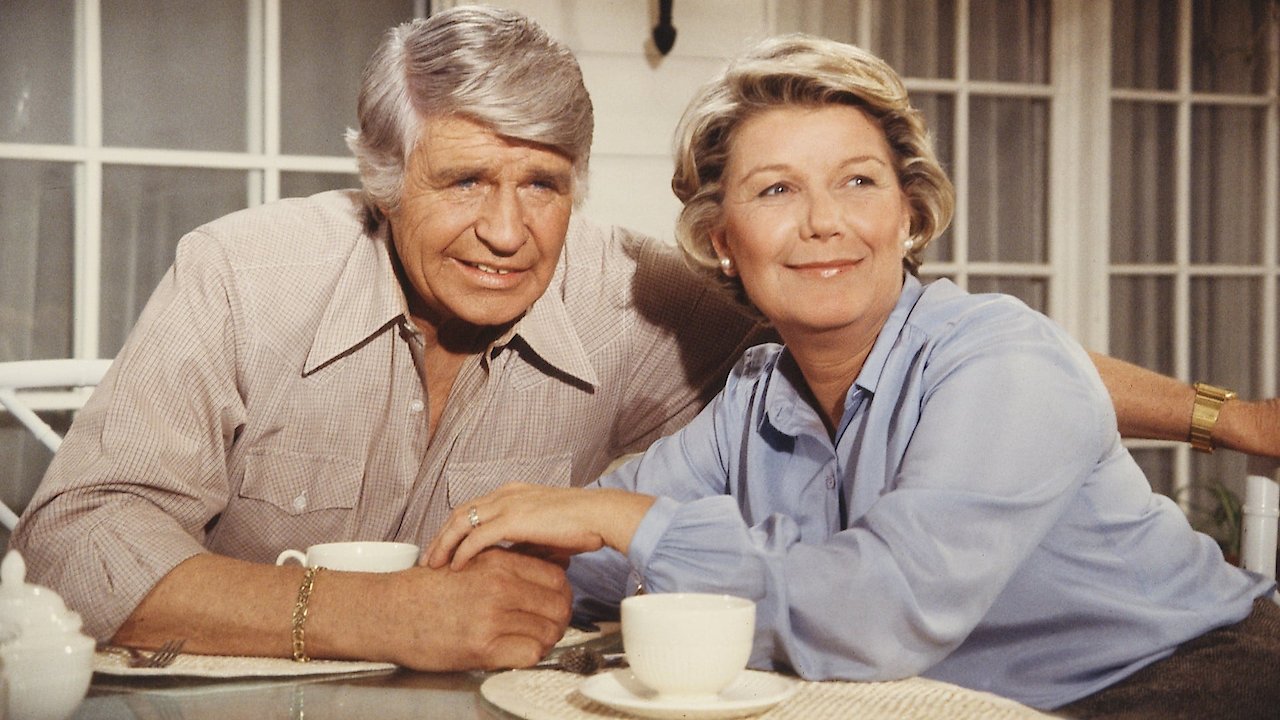
Dallas Season 8 Episode 19 Sins of the Fathers
- TV-NR
- February 8, 1985
- 42 min
-
7.4 (106)
In the pivotal episode of Dallas titled Sins of the Fathers, viewers are thrust into the intricate web of relationships, betrayals, and unresolved conflicts that define the Ewing family saga. As the episode unfolds, the deep-rooted issues from the past are brought to the forefront, challenging the characters to confront both their personal demons and the weight of familial expectations.
The episode opens with tension palpable in the air at Southfork, the esteemed ranch that serves both as a family home and a backdrop for many of the series’ most critical confrontations. The Ewing family, with its complex lineage and numerous rivalries, finds itself at a crossroads. Old rivalries bubble to the surface, and the sins of the previous generations cast long shadows over the current members of the family. Each character grapples with the legacies they have inherited, struggling to forge their own identities amid the expectations set by their fathers.
As the narrative unfolds, viewers witness a parade of interpersonal dynamics that highlight the essence of the Ewing family's struggles. The relationships between fathers and their children are particularly poignant in this episode, revealing the psychological scars and the deep bonds that are often fraught with tension. This theme serves as a reminder that the choices we make and the lives we lead are often influenced by the actions of those who came before us.
One of the most compelling arcs in this episode revolves around the character of J.R. Ewing, the ever-cunning and ambitious patriarch. His dealings and decisions have far-reaching implications, often resulting in a tangled mess of deceit and moral ambiguity. As J.R. navigates through looming challenges, his relationships with both his sons and others in the family become strained. The audience witnesses J.R.’s internal battle as he weighs his ruthless business tactics against the desire to be a caring father, presenting a nuanced portrayal of a man caught between two worlds.
Meanwhile, Bobby Ewing, J.R.'s younger brother and moral counterpoint, struggles with the fallout of decisions made in the wake of their father’s influences. Bobby’s attempts to reconcile his family's legacy with his ideals press him to take a stand against the less scrupulous aspects of the Ewing name. His interactions with other family members and business associates become revealing and expose deeper fissures within their relationships, encapsulating the internal and external conflicts that define their existence.
Across the lake, the story also delves into the lives of the female characters who, while often in the shadows of the male Ewing heirs, play equally vital roles in shaping the family narrative. Sue Ellen, with her complex history intertwined with both J.R. and Bobby, emerges as a pivotal figure whose strength often challenges the traditional gender roles portrayed in the series. Her pursuit of empowerment and identity in a world dominated by strong men is both compelling and relatable, providing a fresh perspective on the family dynamics at play.
As the episode progresses, several subplots intertwine that further complicate the already intricate narrative. Relationships are tested, alliances are forged and broken, and deep-seated resentments surface. Each twist and turn heightens the drama, showcasing not only individual character development but also the collective struggles of the Ewing family as they navigate their legacy.
The emotional stakes are further heightened by the arrival of familiar faces and the emergence of unexpected relationships that challenge the status quo. Long-standing rivalries appear ready to boil over, and new confrontations hint at choices that could redefine their futures. The episode expertly balances tension and intrigue, ensuring that audiences remain engaged while pondering the ethical dilemmas faced by the characters.
Visually, Sins of the Fathers captures the grandeur and opulence of the Texas landscape, which mirrors the ambition and tumult of the Ewing clan. The cinematography showcases the vastness of Southfork and the challenges posed by the family’s sprawling estate, paralleling the intricacies of their interpersonal relationships.
Set against a charismatic score that evokes the drama of the unfolding storylines, the episode ensures that viewers are not merely observers but active participants in the Ewing saga. With heart-wrenching confrontations and moments of unexpected tenderness, Sins of the Fathers emphasizes the idea that while one may inherit traits and burdens from their forebears, the power to change the course of their story ultimately lies within themselves.
In conclusion, this episode of Dallas serves as a powerful exploration of family, legacy, and the intricate dance of forgiveness and accountability. It promises viewers an emotional experience that captures the essence of what makes the Ewing family saga both profound and enduring, leaving audiences reflective on the complexities of their own familial bonds and personal desires.