Dangerous Encounters Season 1 Episode 7 Monster Crocs
- TV-PG
- July 18, 2010
- 45 min
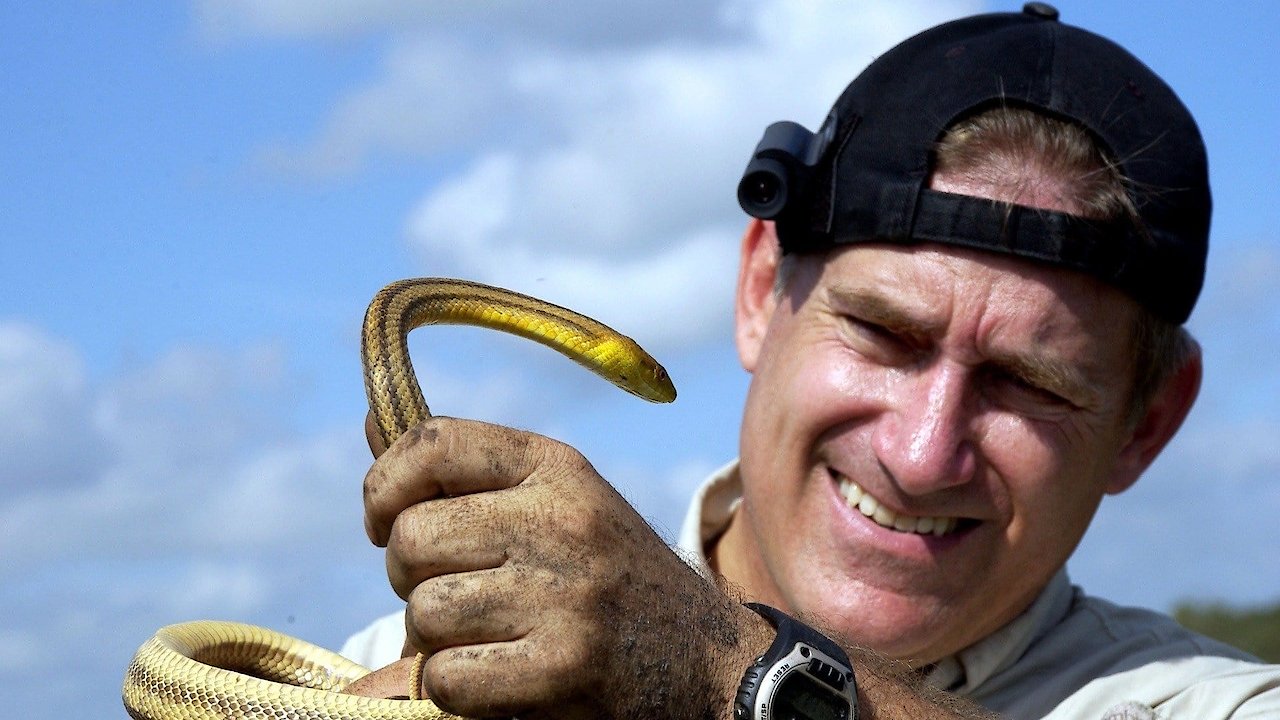
In Dangerous Encounters season 1 episode 7, titled "Monster Crocs," host Brady Barr travels to the remote Northern Territory of Australia to uncover the truth about saltwater crocodiles.
As one of the deadliest predators on the planet, the saltwater crocodile has earned a fearsome reputation. Measuring up to 23 feet in length and weighing over a ton, these massive reptiles can easily overpower even the strongest of prey.
Barr sets out to learn more about these towering creatures by joining a team of expert crocodile hunters as they search for the largest and most dangerous crocs in the area. Despite the inherent dangers of the job, these hunters devote their lives to protecting the local community from the threat of these apex predators.
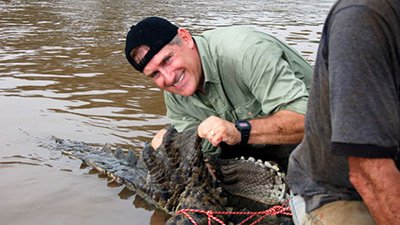
Throughout the episode, viewers are given an up-close look at the incredible power of these massive reptiles. Barr risks his life by venturing within inches of gnashing jaws and powerful tails as he helps the team hook and relocate the crocodiles to a safer area.
Along the way, Barr also highlights the rich cultural significance of crocodiles in Aboriginal communities. Despite the danger they pose, crocodiles are respected and revered by many Indigenous Australians, who often view the creatures as a symbol of strength and wisdom.
As the episode draws to a close, Barr reflects on the vital role that conservation efforts play in protecting these magnificent creatures. Despite their formidable size and strength, saltwater crocodiles are still at risk due to habitat loss and overhunting. Without the tireless work of these dedicated hunters and researchers, the future of these iconic creatures could be in jeopardy.
Overall, Dangerous Encounters season 1 episode 7 provides an unforgettable exploration of one of the world's most captivating predators. With stunning footage and expert insights, this episode is sure to leave viewers on the edge of their seats and awed by the raw power of the saltwater crocodile.